Understanding the fluctuations in stainless steel bar grating price is critical for procurement managers and engineers in the industrial sector. As a premium flooring solution, stainless steel bar grating offers unparalleled corrosion resistance and structural integrity, making it a staple in chemical plants, food processing facilities, and offshore platforms. However, the cost is rarely static, influenced by a complex interplay of raw material availability and global manufacturing standards.
From a global perspective, the stainless steel bar grating price is heavily tied to the London Metal Exchange (LME) prices for nickel and chromium. These elements are the primary drivers of the alloy's performance, ensuring that the grating can withstand caustic environments without degrading. For companies managing large-scale infrastructure, a slight shift in market pricing can result in significant budget variances during the bidding phase of a project.
Ultimately, the goal is not simply to find the lowest price, but to optimize the total cost of ownership. By analyzing the factors that influence the stainless steel bar grating price, decision-makers can balance immediate capital expenditure against long-term maintenance savings, ensuring that the chosen material provides the highest safety and durability ROI for their specific application.
The market for stainless steel industrial flooring is characterized by volatility in raw material costs. The stainless steel bar grating price is primarily sensitive to the cost of nickel, which provides the essential corrosion resistance. When geopolitical tensions affect mining regions in Indonesia or Russia, the ripple effect is felt immediately across the global supply chain, causing prices to spike for end-users.
Furthermore, energy costs associated with the electric arc furnace (EAF) process significantly impact the final quote. Since stainless steel requires high-temperature melting and precise alloying, any surge in industrial electricity rates is typically passed down to the buyer. Understanding these market drivers allows procurement officers to time their purchases more effectively, potentially locking in lower rates during market dips.
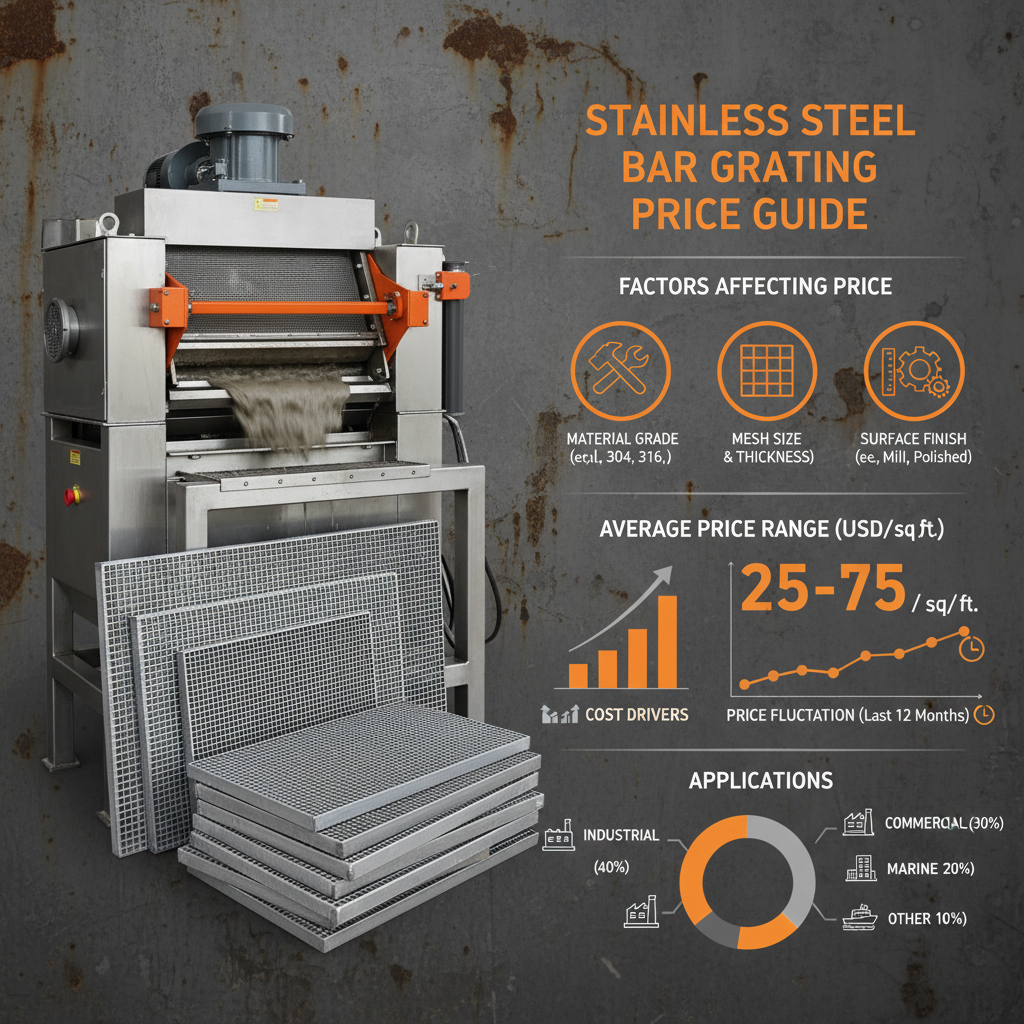
Not all stainless steels are created equal, and the choice of grade is the most significant determinant of the stainless steel bar grating price. Grade 304 is the industry standard for general-purpose applications, offering a balanced cost-to-performance ratio. It is widely used in food processing and moderate industrial environments where basic oxidation resistance is sufficient.
For more aggressive environments, such as marine settings or chemical refineries, Grade 316 is the preferred choice. Due to the addition of molybdenum, Grade 316 provides superior resistance to chlorides and pitting. Naturally, the stainless steel bar grating price for 316 is higher than for 304, reflecting the increased cost of these specialized alloying elements.
Beyond these, duplex stainless steels offer even higher strength and corrosion resistance, though they come at a premium price point. Choosing the correct grade is an exercise in risk management; over-specifying leads to unnecessary costs, while under-specifying leads to premature failure and expensive replacement cycles.
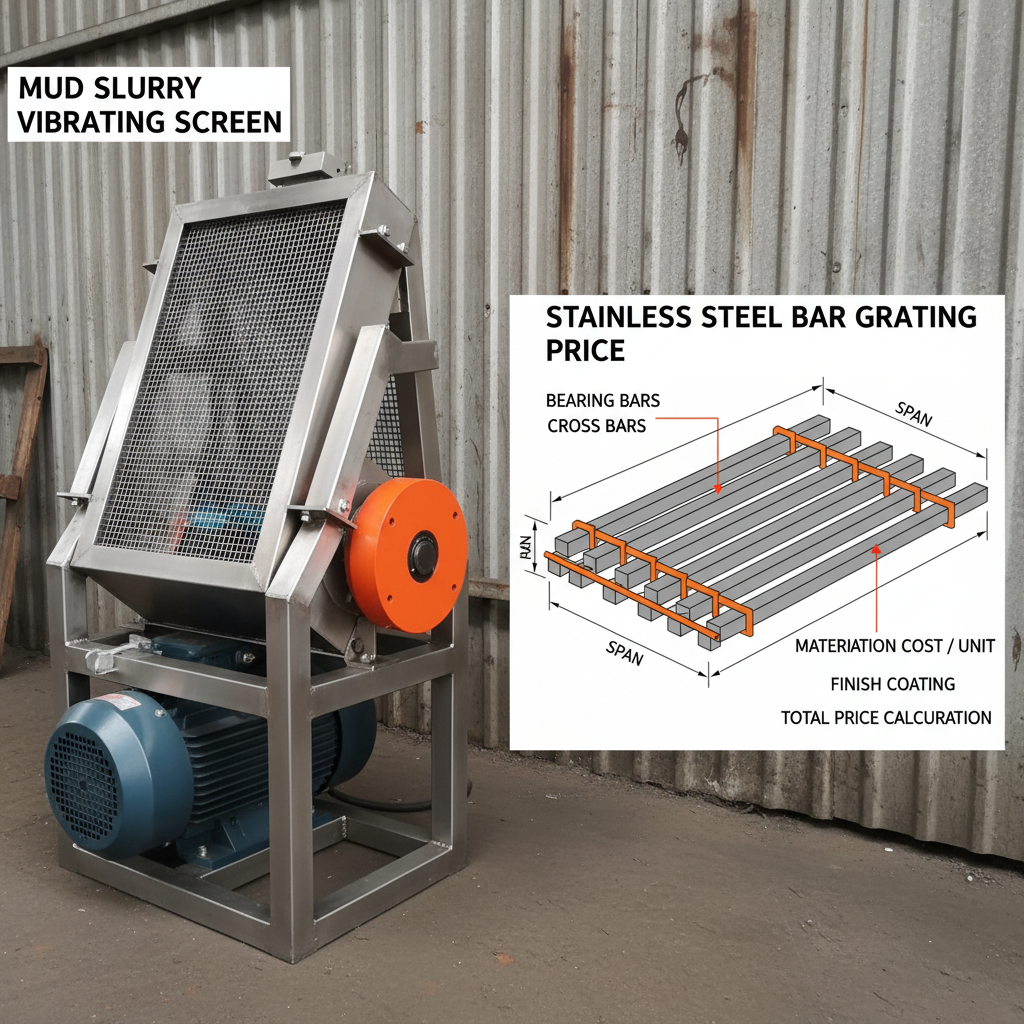
The physical dimensions of the grating—specifically the bar size and the spacing (pitch)—directly correlate to the volume of metal required, and thus the stainless steel bar grating price. A tighter mesh or thicker bearing bars increase the overall weight of the panel, which scales the cost linearly based on the weight-per-square-foot.
Specialized finishes also play a role. For example, electropolished surfaces or pickled and passivated finishes enhance the protective oxide layer of the steel. While these processes increase the initial stainless steel bar grating price, they are often mandatory in pharmaceutical or high-purity cleanroom environments to prevent contamination.
Load-bearing requirements further complicate the pricing. Grating designed for heavy vehicular traffic requires larger bearing bars and more frequent cross-bars for stability. This increase in structural density naturally pushes the stainless steel bar grating price higher compared to lightweight pedestrian walkways.
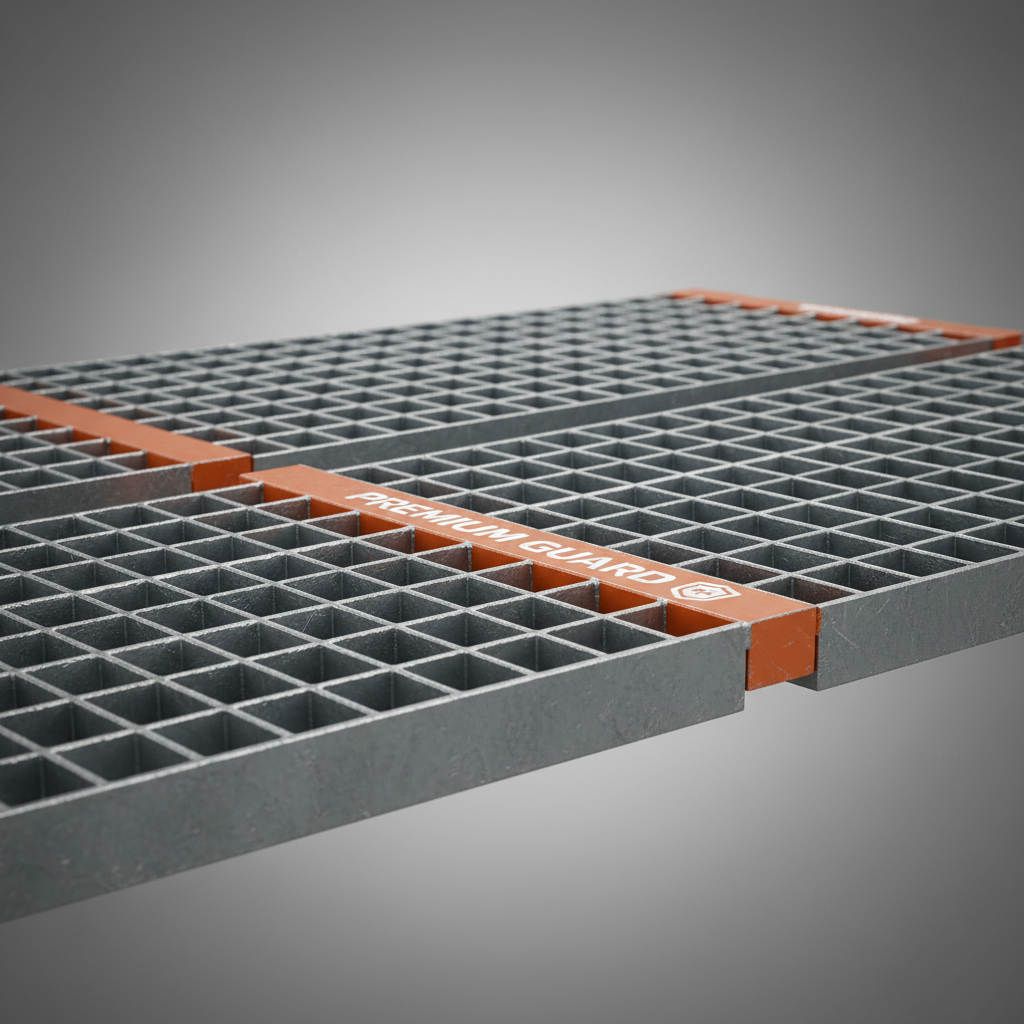
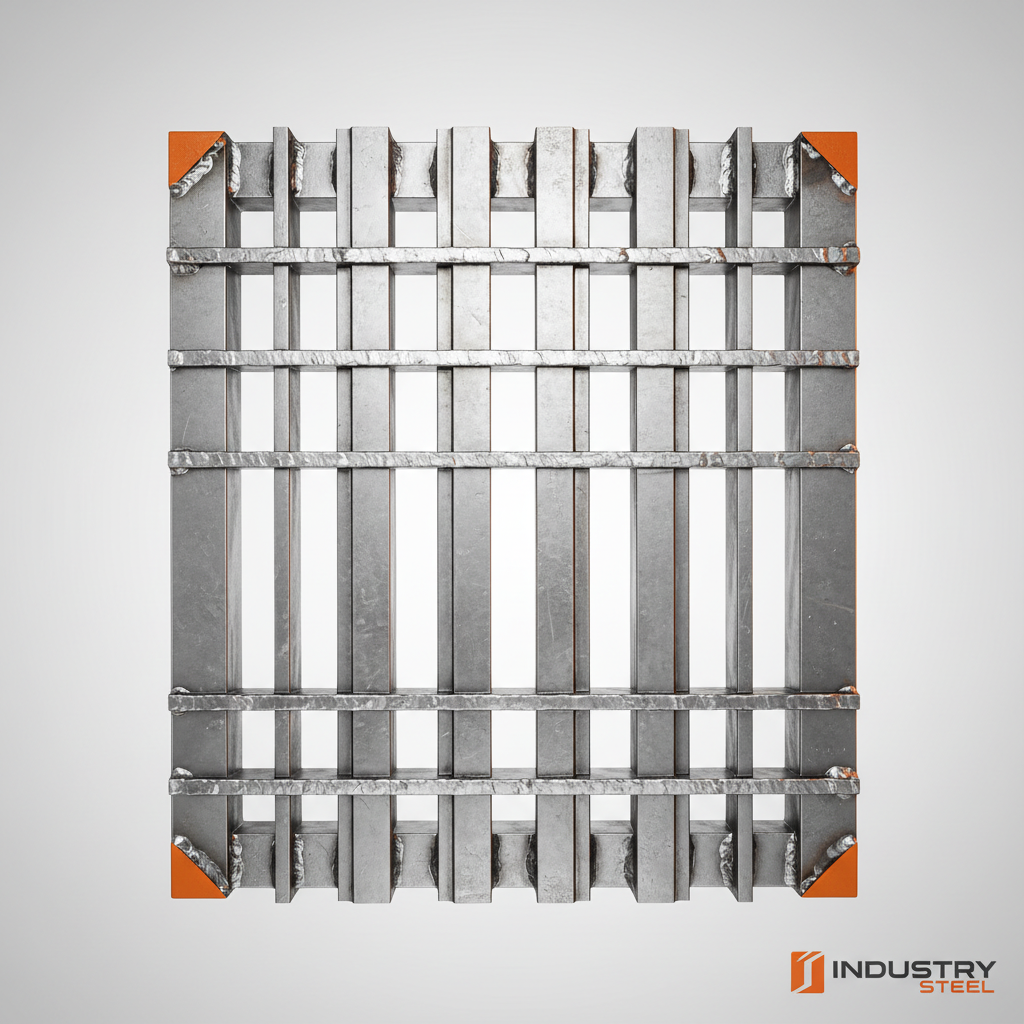
When evaluating the stainless steel bar grating price, it is essential to compare welded bar grating with pressed bar grating. Welded options typically offer a more precise finish and better stability, whereas pressed options may be slightly more economical for bulk architectural use. The choice depends on the required load capacity and the tolerance levels of the installation.
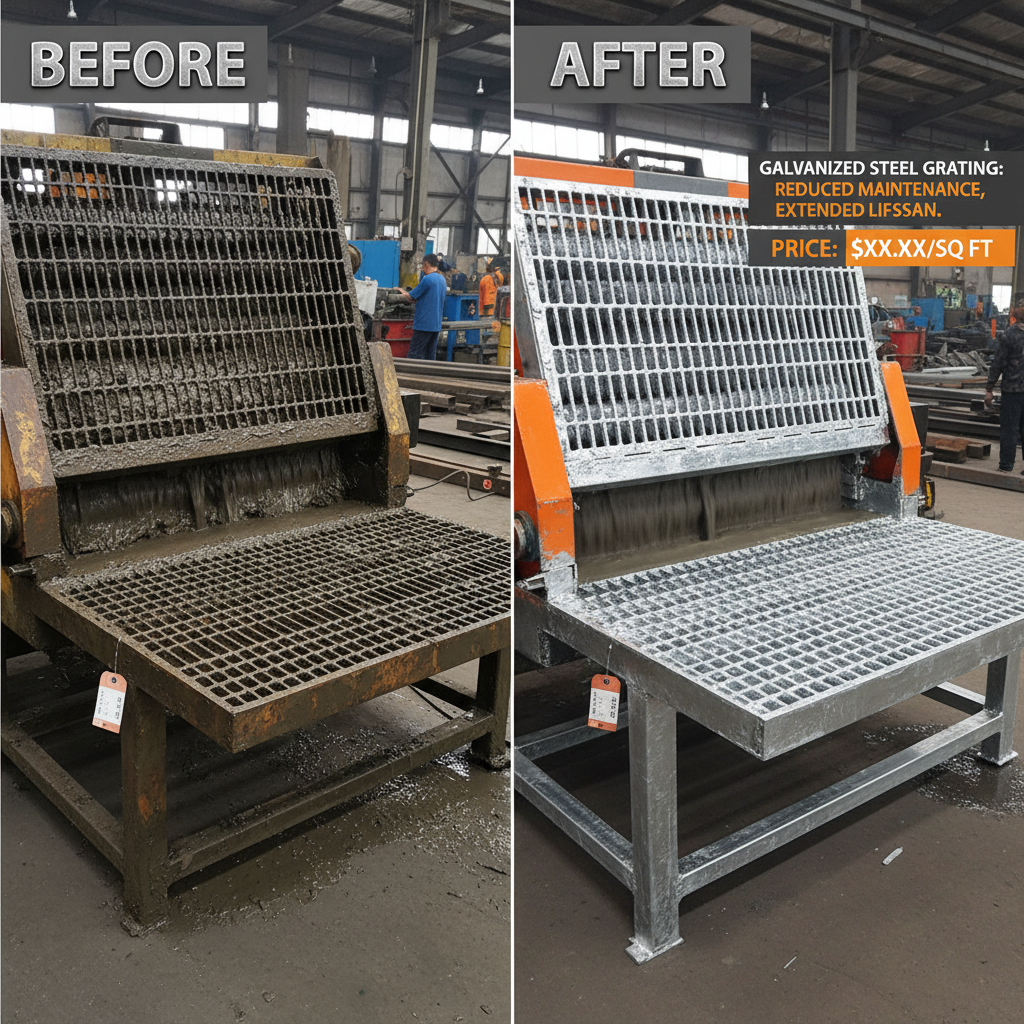
Additionally, comparing stainless steel to galvanized steel reveals a stark difference in upfront cost. While galvanized steel has a significantly lower initial price, it lacks the lifelong corrosion resistance of stainless steel. In harsh chemical environments, the stainless steel bar grating price is justified by the elimination of repetitive painting and rust-treatment costs.
Logistics and freight costs can add a substantial percentage to the final stainless steel bar grating price. Because bar grating is heavy and often oversized, shipping costs are sensitive to fuel surcharges and container availability. Sourcing from a local manufacturer may seem more expensive per unit, but when landed costs are calculated, the total price often balances out.
Furthermore, international trade tariffs and import duties can either inflate or deflate the stainless steel bar grating price depending on the country of origin. For instance, anti-dumping duties on specific steel imports can cause sudden price jumps in the domestic market, forcing engineers to seek alternative suppliers or materials to maintain project viability.
When analyzing the stainless steel bar grating price, it is a common mistake to focus solely on the purchase order. The true value lies in the reduction of Life Cycle Costs (LCC). In industries like wastewater treatment or oil and gas, the cost of shutting down a facility for floor replacement far outweighs the initial premium paid for high-grade stainless steel.
Sustainability also adds hidden value. Stainless steel is 100% recyclable, meaning that at the end of a facility's life, the scrap value of the grating can recover a portion of the initial investment. This circular economy aspect makes the stainless steel bar grating price more attractive when viewed through a green-building or ESG (Environmental, Social, and Governance) lens.
Moreover, the safety aspect cannot be ignored. A high-quality grating that doesn't corrode ensures a non-slip, stable surface for workers, reducing the risk of workplace accidents. The "price" of a safety failure—including insurance hikes and legal liabilities—is infinitely higher than the marginal increase in the stainless steel bar grating price.
The industry is moving toward "Lean Manufacturing," which aims to reduce the stainless steel bar grating price by minimizing waste during the cutting and welding process. Automation and CNC plasma cutting are allowing for more precise material usage, which helps offset the rising cost of raw nickel and chromium.
Another emerging trend is the use of hybrid materials and advanced coatings that mimic the properties of high-grade stainless steel at a lower cost. While these may not fully replace 316 stainless, they provide a competitive alternative that puts downward pressure on the traditional stainless steel bar grating price for mid-tier applications.
Finally, digital procurement platforms are increasing price transparency. Real-time tracking of steel indices allows buyers to negotiate the stainless steel bar grating price based on actual market data rather than fixed supplier catalogs, leading to a more fair and efficient marketplace.
| Material Grade | Corrosion Resistance | Relative Price Impact | Typical Application |
|---|---|---|---|
| SS 304 | Moderate | Baseline | Food Processing |
| SS 316 | High | +20-30% | Marine/Chemical |
| Duplex 2205 | Very High | +50-70% | Offshore Oil Rigs |
| SS 310s | Heat Resistant | +40-60% | Furnace Walkways |
| Galvanized | Low/Medium | -40-60% | General Industrial |
| Custom Alloy | Specialized | Variable | Lab/Specialized Chem |
The price difference is primarily due to the alloying elements like chromium and nickel, which create a self-healing oxide layer. While galvanized steel uses a zinc coating that eventually wears off, stainless steel is corrosion-resistant throughout its entire thickness, eliminating the need for future recoating and offering a significantly longer lifespan in harsh environments.
Nickel is a key component in 300-series stainless steel. Because it is a globally traded commodity, any supply disruption or surge in demand for electric vehicle batteries (which use nickel) can drive up the raw material cost. Most suppliers provide quotes valid for only 7-14 days because the stainless steel bar grating price can shift rapidly based on the LME index.
Yes. You can optimize costs by reviewing the bearing bar size and the pitch. If the structural load requirements allow, increasing the spacing between bars reduces the total weight of the material. Additionally, switching from Grade 316 to Grade 304, if the environment is not highly corrosive, can lead to substantial savings.
Yes, specialized finishes add a labor and chemical processing cost to the final price. Electropolishing removes surface impurities and creates a mirror-like finish, which is essential for hygiene in food and pharma sectors. While it increases the initial price, it makes the grating easier to clean and more resistant to bacterial growth.
Standard sizes are generally more economical because they can be produced in large batches. Custom-cut grating involves more labor, specific setup times for the cutting machinery, and higher material waste, all of which increase the per-unit price. Whenever possible, designing your project around standard dimensions can lower your overall expenditure.
In corrosive environments, stainless steel grating can last 3 to 5 times longer than carbon steel. When you divide the initial stainless steel bar grating price by the number of years of service without replacement, the "annualized cost" is often much lower than that of cheaper materials that require replacement every few years.
Navigating the stainless steel bar grating price requires a comprehensive understanding of material science, market volatility, and engineering requirements. By balancing the immediate costs of alloy grades and manufacturing specifications against the long-term benefits of corrosion resistance and reduced maintenance, companies can make informed procurement decisions that protect both their budget and their personnel.
As the industry moves toward more sustainable and automated production, the value proposition of stainless steel continues to strengthen. We recommend that engineers and procurement specialists conduct a full life-cycle cost analysis rather than focusing on the initial invoice. For high-quality, durable flooring solutions and competitive pricing, visit our website: www.cndowelltech.com.