0%

Table of Contents

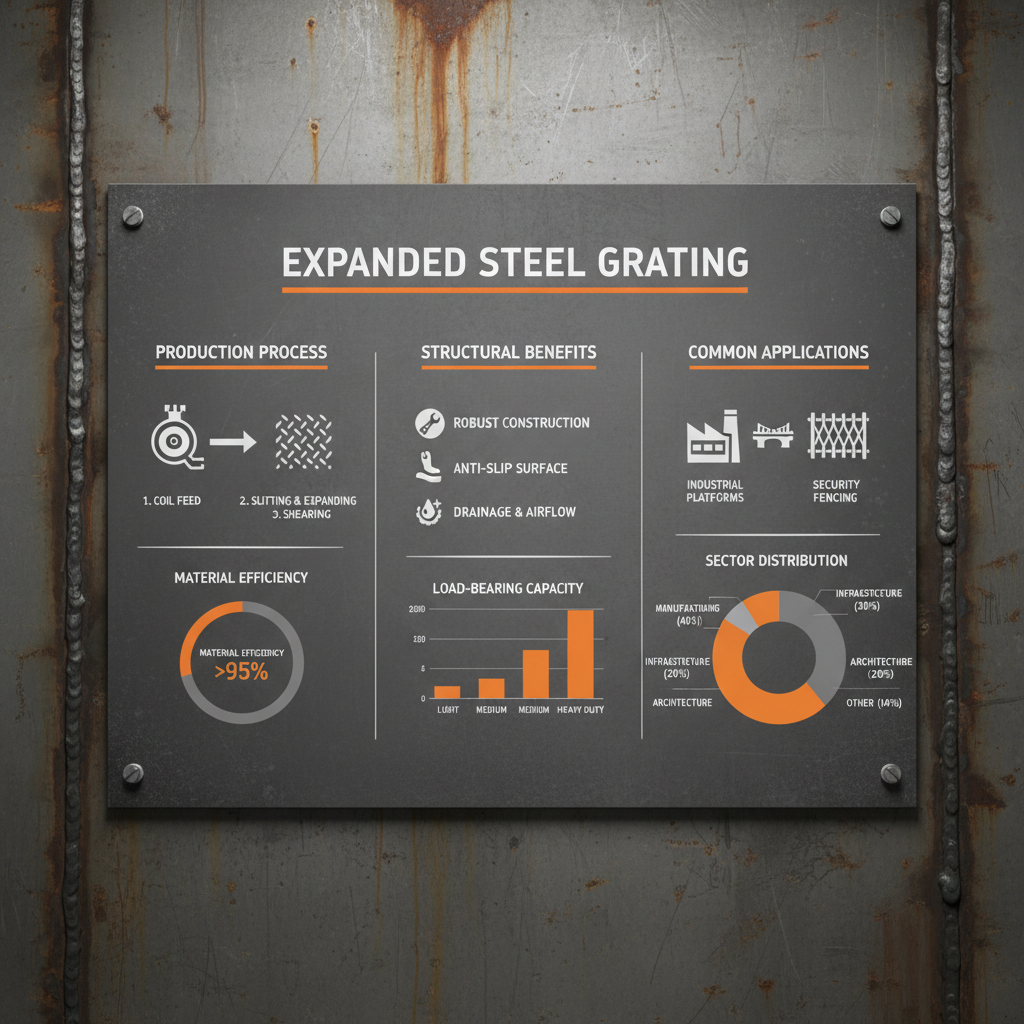
Steel grating is a vital component in modern infrastructure, providing safe and durable walking surfaces and protective barriers across a multitude of industries. Its open grid design allows for the passage of light, air, and fluids, making it ideal for applications ranging from industrial platforms to architectural features. Understanding the nuances of steel grating – its types, applications, and benefits – is crucial for engineers, architects, and facility managers alike.

Globally, the demand for steel grating is closely tied to industrial growth, urbanization, and infrastructure development. The United Nations projects continued population growth and urbanization, particularly in developing nations, driving the need for robust and reliable infrastructure solutions. Steel grating provides a cost-effective and long-lasting solution to meet these demands, often exceeding the performance of traditional materials.

The increasing emphasis on workplace safety and regulatory compliance further fuels the need for high-quality steel grating. Organizations like the ISO develop standards for material quality and performance, ensuring that steel grating meets stringent safety requirements in various applications, from oil and gas facilities to wastewater treatment plants.
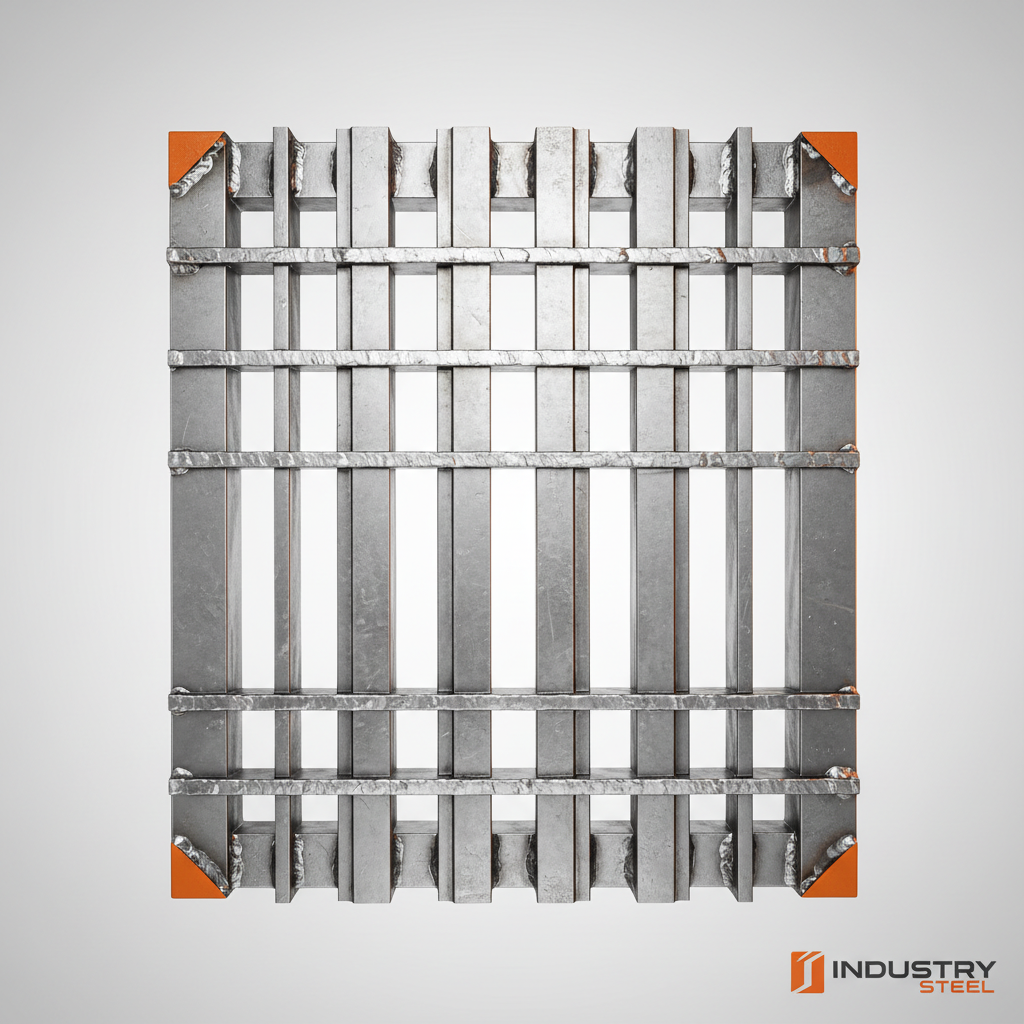
Exploring the Versatility and Benefits of Steel Grating in Modern Infrastructure

Introduction to Steel Grating

Exploring the Versatility and Benefits of Steel Grating in Modern Infrastructure

Steel grating, in its simplest form, consists of interwoven metal bars, creating a strong, open grid. This construction method provides exceptional strength-to-weight ratio, making it significantly lighter than solid metal alternatives while maintaining comparable load-bearing capacity. steel grating is available in numerous materials, the most common being carbon steel, stainless steel, and aluminum, each offering specific benefits depending on the environment and application.

The strategic placement of steel grating offers invaluable benefits in diverse scenarios. From enhancing safety and preventing slips in industrial settings, to providing robust support structures in wastewater treatment facilities, steel grating is consistently relied upon to provide a reliable and durable solution. Its adaptability and ease of installation contribute to its widespread adoption across numerous sectors.

Defining Steel Grating

Steel grating is essentially an assembly of intersecting metal strips or bars, typically joined by welding, swaging, press-locking, or slip-and-drive methods, creating an open grid structure. This structure distinguishes it from solid flooring, allowing for airflow, light transmission, and the passage of liquids. It's more than just a flooring material; it’s a versatile component used for walkways, platforms, stairs, drainage covers, security fences, and more.

The connection to modern industry stems from the need for robust, safe, and efficient infrastructure. As industries grew and safety regulations became stricter, steel grating emerged as a preferred solution, offering superior performance compared to traditional wood or concrete alternatives. Its inherent strength and corrosion resistance make it well-suited for harsh industrial environments.

Steel grating also plays a role in addressing humanitarian needs. In disaster relief and temporary housing solutions, its modularity and quick installation capabilities provide rapid deployment of safe and stable walking surfaces and structures, offering a critical component in emergency response situations.

Key Factors of Steel Grating

Durability: Steel grating is renowned for its long lifespan and ability to withstand heavy loads, corrosive environments, and extreme temperatures. Proper material selection, such as stainless steel for corrosive applications, significantly extends its service life. steel grating is built to last.

Load Capacity: The open grid design doesn't compromise strength. Steel grating is engineered to meet specific load requirements, ensuring safety and reliability in diverse applications. Engineers carefully calculate bearing bar size, spacing, and support structures to handle anticipated loads.

Safety: The textured surface of steel grating provides excellent slip resistance, even when wet or oily. The open grid also allows for visibility, reducing the risk of trips and falls. Safety is a primary consideration in the design and installation of steel grating systems.

Global Applications of Steel Grating

Steel grating finds widespread application across numerous industries globally. In the oil and gas sector, it’s used for walkways, platforms, and stair treads in offshore platforms and refineries. The chemical processing industry utilizes it for catwalks and drainage covers due to its corrosion resistance.

In municipal applications, steel grating is commonly used for trench covers, drainage systems, and pedestrian bridges. Wastewater treatment plants rely on it for walkways and platforms exposed to harsh chemical environments. In remote industrial zones, its ease of transport and installation are particularly valuable.

Architectural applications are also increasing, with steel grating used for facade elements, sunshades, and decorative features. In post-disaster relief operations, it provides a quick and durable solution for temporary walkways and shelters, offering a safe and stable foundation in challenging circumstances.

Steel Grating Application by Industry


Advantages and Long-Term Value

The tangible benefits of utilizing steel grating are numerous. Cost-efficiency stems from its relatively low material cost, ease of fabrication, and reduced maintenance requirements compared to other materials. Its durability translates to a longer lifespan, minimizing replacement costs. Furthermore, steel is a recyclable material, promoting sustainability.

From a social impact perspective, steel grating enhances workplace safety, reducing the risk of accidents and injuries. This contributes to a more productive and positive work environment. The reliability and longevity of steel grating instill confidence in infrastructure systems, fostering trust in the organizations that utilize it.

Future Trends in Steel Grating

Innovation in steel grating focuses on enhancing performance and sustainability. The development of high-strength, lightweight alloys is reducing material usage while maintaining structural integrity. Smart grating systems, incorporating sensors for load monitoring and structural health assessment, are emerging.

Integration with digital transformation initiatives, such as Building Information Modeling (BIM), is streamlining the design, fabrication, and installation processes. Automated manufacturing techniques are increasing production efficiency and reducing costs, making steel grating even more accessible.

Challenges and Solutions

A common challenge is corrosion, particularly in harsh marine or chemical environments. Solutions include utilizing corrosion-resistant alloys like stainless steel, applying protective coatings (e.g., galvanizing, epoxy coating), and implementing regular inspection and maintenance programs.

Another challenge is ensuring proper installation to maximize load capacity and prevent premature failure. This requires skilled labor and adherence to industry standards. Providing comprehensive training programs and utilizing prefabricated grating systems can mitigate these risks.

Addressing the environmental impact of steel production is also crucial. Utilizing recycled steel content and implementing energy-efficient manufacturing processes contribute to a more sustainable supply chain.

Summary of Steel Grating Challenges and Solutions

Challenge Severity (1-10) Potential Solution Implementation Cost (1-10)
Corrosion in Marine Environments 8 Stainless Steel Alloy 7
Improper Installation 7 Prefabricated Systems & Training 5
High Material Cost 5 Recycled Steel Usage 3
Load Capacity Miscalculation 6 BIM Integration & Engineering Analysis 6
Limited Design Flexibility 4 Custom Fabrication Options 8
Environmental Impact of Production 6 Energy-Efficient Manufacturing 7

FAQS

What are the primary materials used in the manufacture of steel grating?

The most common materials are carbon steel, known for its strength and affordability; stainless steel, offering superior corrosion resistance; and aluminum, providing a lightweight option. The choice of material depends heavily on the intended application and environmental conditions. Galvanizing or epoxy coating is often applied to carbon steel to enhance its durability and prevent rust.

How does steel grating compare to traditional flooring materials like concrete or wood in terms of cost?

Steel grating generally offers a lower lifecycle cost compared to concrete and wood. While the initial material cost may be similar, steel grating requires less maintenance, has a longer lifespan, and can be more easily installed, reducing labor costs. Wood is susceptible to rot and requires regular treatment, while concrete can crack and require repairs. The open grid design of steel grating also reduces material usage, contributing to cost savings.

What safety standards and certifications are relevant to steel grating applications?

Several standards govern steel grating safety, including those set by the American Society of Mechanical Engineers (ASME) and the International Organization for Standardization (ISO). Compliance with OSHA regulations regarding slip resistance and load capacity is also crucial. Certifications like those from independent testing laboratories verify that the grating meets specific performance criteria. Always ensure your steel grating supplier provides documentation of compliance.

Can steel grating be customized to specific dimensions and load requirements?

Yes, steel grating is highly customizable. Bearing bar size, spacing, and the overall dimensions can be tailored to meet specific project needs. Engineers can calculate the appropriate grating configuration based on anticipated loads, span lengths, and environmental factors. Custom fabrication options allow for unique shapes and sizes, ensuring a perfect fit for any application. steel grating is flexible.

What maintenance is required to ensure the longevity of steel grating?

Regular inspection is key to maintaining the longevity of steel grating. Look for signs of corrosion, damage to the surface coating, or loose fasteners. Periodic cleaning to remove debris and dirt prevents buildup that can accelerate corrosion. Depending on the environment, reapplying protective coatings (e.g., paint or galvanizing) may be necessary every few years. Promptly address any identified issues to prevent further deterioration.

How environmentally friendly is steel grating compared to other flooring options?

Steel is a highly recyclable material, making steel grating a more sustainable option than many alternatives. Utilizing recycled steel content in its production reduces the demand for virgin materials and lowers the carbon footprint. Its durability and long lifespan minimize the need for replacements, further reducing waste. Responsible manufacturing practices and energy-efficient production processes also contribute to its environmental friendliness.

Conclusion

Steel grating represents a robust, versatile, and cost-effective solution for a wide range of industrial, commercial, and architectural applications. Its inherent strength, durability, and safety features make it a superior choice over traditional materials in many scenarios. Understanding its key properties, applications, and future trends is crucial for professionals seeking reliable and sustainable infrastructure solutions.

Looking ahead, continued innovation in materials science and manufacturing techniques will further enhance the performance and sustainability of steel grating. Embracing digital technologies like BIM and automated fabrication will streamline processes and reduce costs. By prioritizing safety, durability, and environmental responsibility, steel grating will continue to play a vital role in building a more resilient and efficient future.


Michael Davies

Michael Davies

Michael Davies is Hangshun Wire Mesh’s Head of Quality Assurance. He has over a decade of experience in quality control within the wire mesh industry. Michael is responsible for maintaining our certifications and ensuring strict compliance with international quality standards. He oversees all testing protocols, from tensile and bending tests
Previous Comprehensive Guide to Carbon Steel Grating Applications and Future Trends
Next Discover Durable Galvanized Grating for Sale and Enhance Your Projects