0%

Table of Contents

Bar grating for sale is a critical component in numerous industries, providing safe, durable, and cost-effective walking surfaces, ventilation, and security solutions. Its versatility stems from its open grid design, allowing for the passage of air, light, and liquids, making it ideal for applications ranging from industrial platforms to architectural facades. Understanding the nuances of bar grating, including its various materials, manufacturing processes, and load-bearing capacities, is essential for engineers, architects, and procurement professionals seeking optimal solutions for their projects.

The global demand for bar grating for sale is consistently driven by infrastructure development, industrial expansion, and a heightened focus on workplace safety. Regions experiencing rapid economic growth, such as Asia-Pacific and the Middle East, represent significant markets. According to recent industry reports, the global metal grating market is projected to reach substantial figures within the next decade, fueled by increasing investments in construction and manufacturing. This demand also necessitates a focus on sustainable manufacturing practices and responsible sourcing of materials.

Ultimately, choosing the right bar grating impacts project efficiency, longevity, and safety. Investing in high-quality bar grating reduces maintenance costs, minimizes safety hazards, and contributes to a more sustainable built environment. A thorough understanding of the available options and specifications is paramount for making informed decisions.
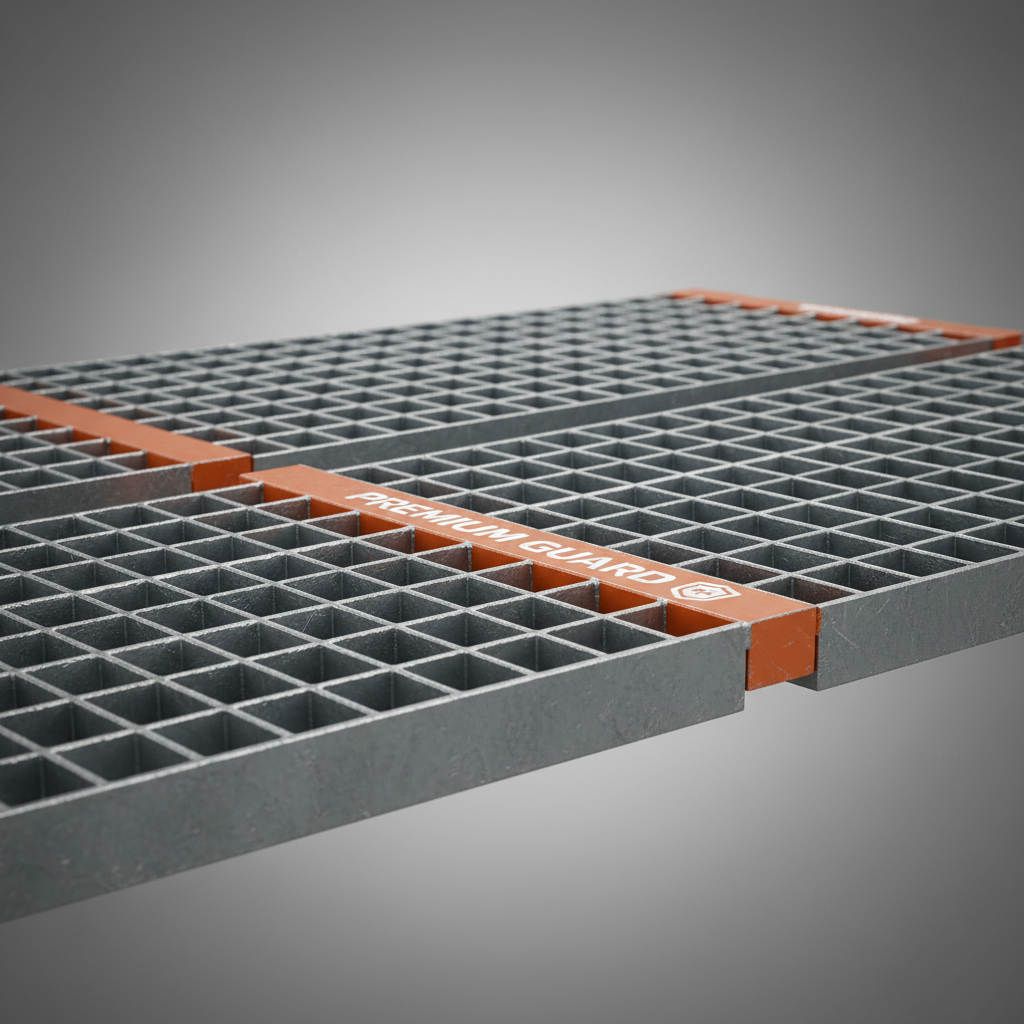
Explore Premium Bar Grating for Sale and Enhance Your Projects

Introduction to bar grating for sale

Explore Premium Bar Grating for Sale and Enhance Your Projects

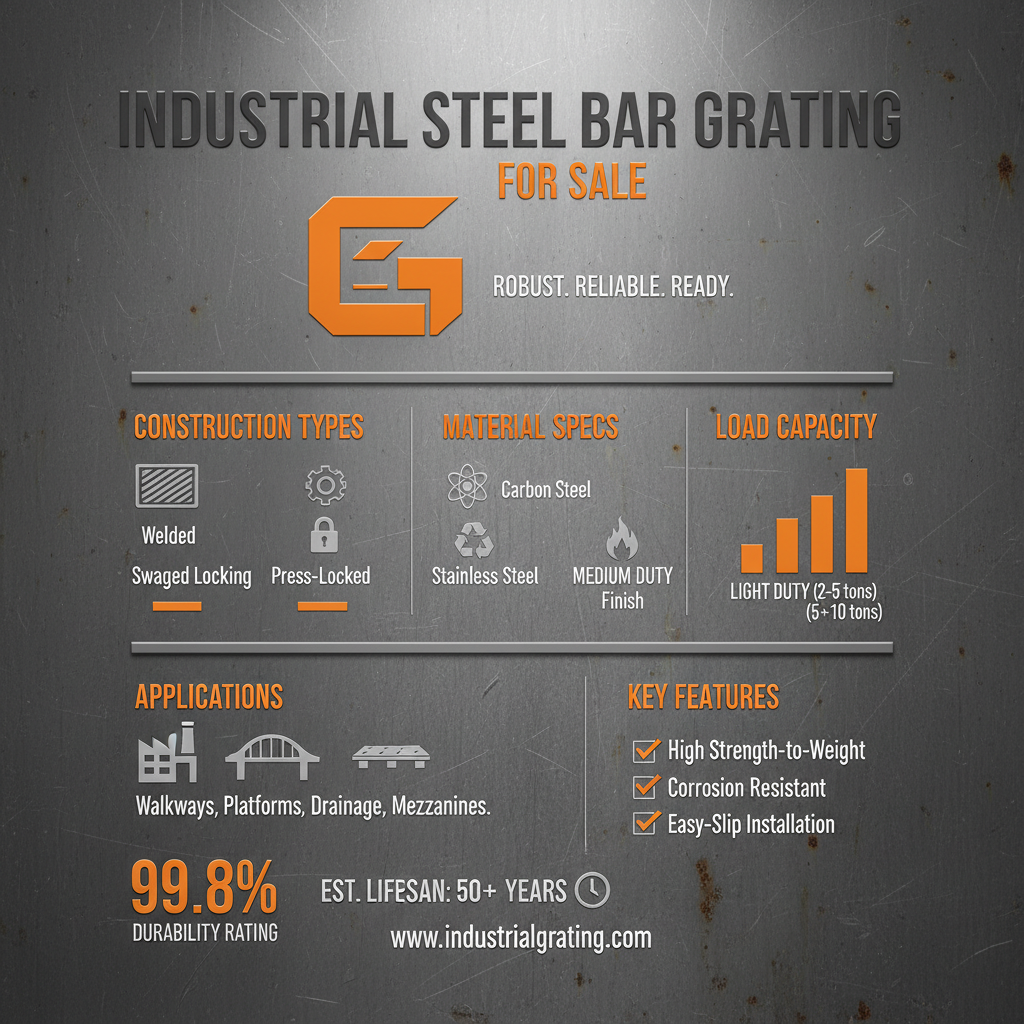
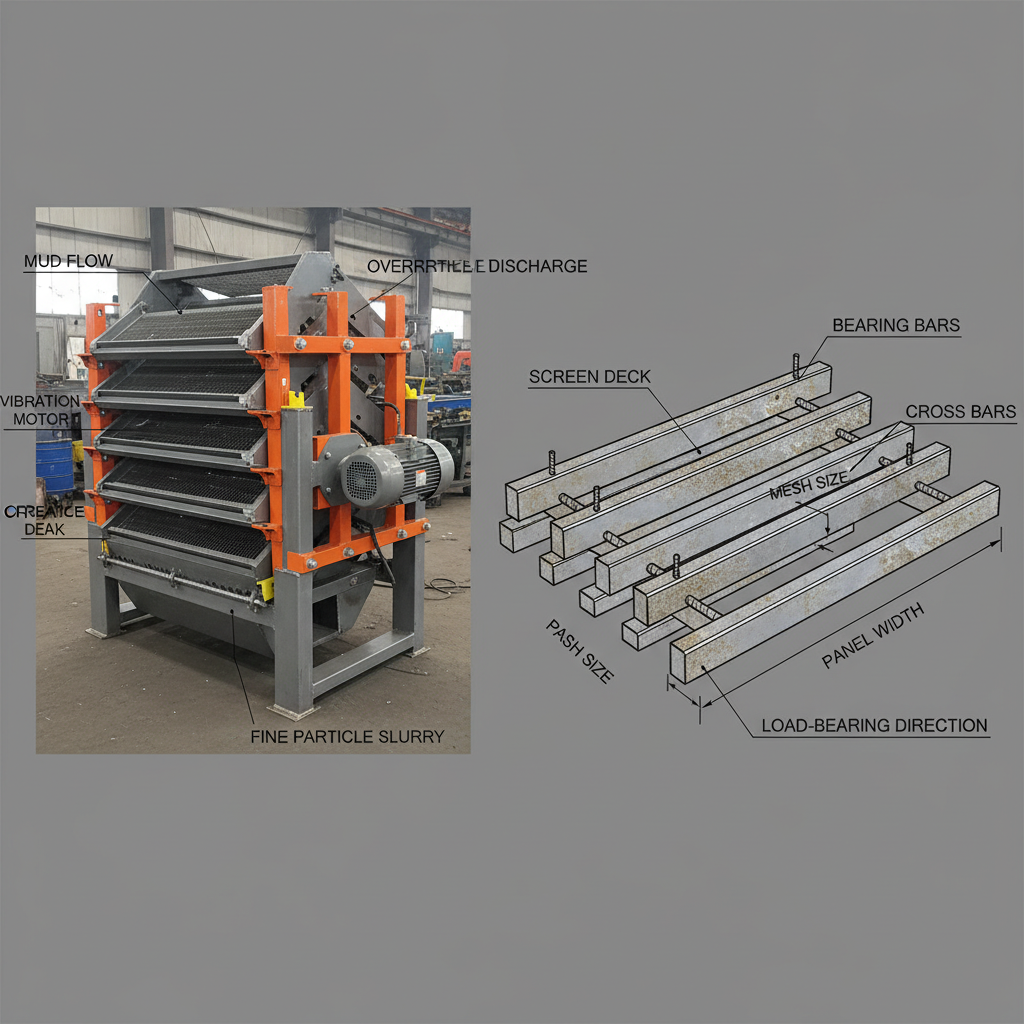
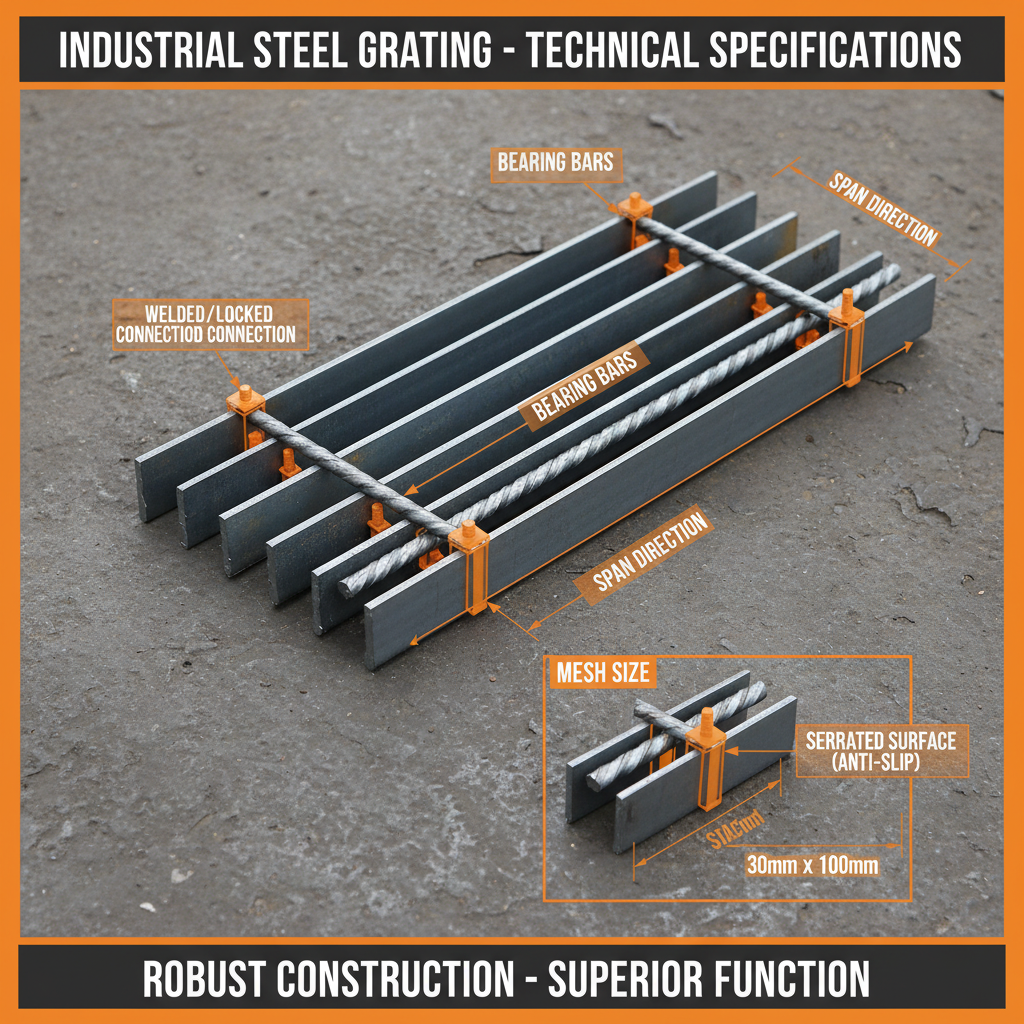
Bar grating for sale is fundamentally an assembly of metal strips, often referred to as ‘bearers’ and ‘crossbars’, joined to create an open, load-bearing surface. This construction method results in a strong yet lightweight product, making it ideal for a wide array of industrial and commercial applications. Its inherent strength-to-weight ratio surpasses many traditional flooring materials.

The increasing need for robust and safe infrastructure, coupled with cost-effectiveness, is driving the demand for bar grating for sale globally. From securing industrial walkways to providing architectural features, its versatility continues to expand, cementing its place as a vital element in modern construction and engineering. You can explore a wide selection of bar grating for sale options online.

Defining Bar Grating for Sale

Bar grating for sale refers to the commercially available product consisting of metal strips, typically steel or aluminum, welded together in a grid pattern. The "bearers" are the primary load-carrying members, running in one direction, while the "crossbars" provide stability and create the open grid structure. This arrangement provides an exceptional strength-to-weight ratio and allows for the passage of air, light, and liquids.

In modern industry, bar grating isn’t merely a structural element; it’s a safety feature, a ventilation solution, and an architectural design component. Its application extends beyond purely functional roles, contributing to aesthetic appeal in building facades and public spaces. Choosing the right type of bar grating for sale is vital for maximizing these benefits.

The availability of bar grating for sale has become increasingly streamlined through online vendors and specialized manufacturers, making it accessible to a wider range of projects and clients. Understanding the different types and specifications is crucial for selecting the most appropriate product for a given application.

Key Characteristics of Bar Grating

One of the defining features of bar grating for sale is its durability. Typically constructed from carbon steel, stainless steel, or aluminum, it can withstand harsh environments, heavy loads, and prolonged exposure to the elements. Properly maintained, bar grating can provide decades of reliable service.

Scalability is another key characteristic. Bar grating can be easily customized in terms of size, shape, and load-bearing capacity to suit a wide range of project requirements. This flexibility makes it adaptable to both small-scale and large-scale applications. This means you can find the right bar grating for sale to fit your specific needs.

Cost-efficiency is also paramount. While the initial investment might be comparable to other flooring or platforming materials, the long-term cost savings associated with minimal maintenance, extended lifespan, and reduced safety risks make bar grating a financially sound choice. Furthermore, the open grid design often reduces material costs compared to solid surfaces.

Applications Across Industries

Bar grating for sale finds extensive application in the industrial sector, serving as walkways, platforms, stair treads, and equipment enclosures. Its non-slip surface and open design enhance safety and ventilation in potentially hazardous environments. Power plants, chemical processing facilities, and oil refineries are prime examples of industrial settings where bar grating is ubiquitous.

Bar Grating for Sale Application Distribution


The Advantages of Choosing Bar Grating

The most tangible benefit of bar grating for sale is its enhanced safety. The open grid design allows for excellent drainage and visibility, reducing the risk of slips, trips, and falls. Furthermore, the structural integrity of bar grating ensures a stable and secure walking surface, even under heavy loads. Investing in high-quality bar grating for sale is an investment in workplace safety.

From a sustainability perspective, bar grating offers a long service life and is often recyclable, minimizing its environmental impact. Its durability reduces the need for frequent replacements, conserving resources and lowering lifecycle costs. This makes it a responsible choice for environmentally conscious projects.

Future Trends in Bar Grating

Innovations in materials science are leading to the development of new bar grating alloys with enhanced corrosion resistance and increased strength-to-weight ratios. Fiber-reinforced polymer (FRP) bar grating is also gaining traction as a lightweight, non-conductive alternative to traditional metal options.

Digital transformation is impacting the bar grating industry through the adoption of Building Information Modeling (BIM) and advanced manufacturing techniques. These technologies allow for precise design, fabrication, and installation of bar grating, improving project efficiency and reducing errors.

The integration of smart sensors into bar grating structures is an emerging trend, enabling real-time monitoring of load, stress, and environmental conditions. This data can be used to optimize performance, predict maintenance needs, and enhance safety.

Addressing Challenges in Bar Grating Implementation

One common challenge is ensuring proper installation to maximize the load-bearing capacity and prevent premature failure. Incorrect spacing of supports or improper welding techniques can compromise the structural integrity of the grating. Proper training and adherence to industry standards are crucial.

Corrosion can be a significant concern in harsh environments, particularly for carbon steel grating. Regular inspection, protective coatings, and the use of corrosion-resistant materials like stainless steel or aluminum are essential for mitigating this risk. Careful consideration of the environment when selecting bar grating for sale is paramount.

Maintaining consistent quality control throughout the manufacturing process is also critical. Reputable suppliers should adhere to stringent quality standards and provide documentation verifying material composition and load-bearing capabilities.

Summary of Bar Grating Implementation Challenges and Solutions

Challenge Impact Area Severity (1-10) Potential Solution
Improper Installation Structural Integrity 8 Certified Installers, Detailed Guides
Corrosion in Harsh Environments Longevity & Safety 7 Corrosion-Resistant Materials, Protective Coatings
Variable Material Quality Performance & Reliability 6 Supplier Audits, Quality Control Checks
Inadequate Load Assessment Safety & Structural Failure 9 Professional Engineering Analysis
Difficulties in Customization Project Fit & Efficiency 5 Flexible Manufacturing Processes, CAD/CAM Integration
Lack of Standardization Interoperability & Sourcing 4 Industry-Wide Standards Adoption

FAQS

What are the typical lead times for ordering bar grating for sale?

Lead times for bar grating for sale can vary significantly depending on the material, size, and complexity of the order. Standard stock sizes typically ship within 1-2 weeks, while custom orders may require 4-8 weeks or longer. Factors such as manufacturing capacity, material availability, and shipping distance also play a role. Contacting a reputable supplier will provide the most accurate lead time estimate for your specific requirements.

What types of finishes are available for bar grating?

Bar grating for sale commonly offers various finishes to enhance corrosion resistance and aesthetics. Options include unpainted mill finish, galvanized (hot-dip or electro-galvanized), powder coating, and stainless steel. The choice of finish depends on the intended environment and application. Galvanized and stainless steel are ideal for corrosive environments, while powder coating offers a wide range of colors and provides a durable, protective layer.

How do I determine the correct load-bearing capacity for my application?

Determining the appropriate load-bearing capacity is crucial for safety and performance. This requires considering the anticipated live loads, dead loads, and any impact forces. Consulting with a structural engineer is highly recommended, as they can perform the necessary calculations based on the specific application and relevant building codes. Suppliers of bar grating for sale often provide load tables, but these should be verified by a qualified professional.

Is aluminum bar grating suitable for outdoor use?

Yes, aluminum bar grating is well-suited for outdoor applications due to its inherent corrosion resistance. Aluminum forms a protective oxide layer that prevents rust and deterioration. However, in coastal environments or areas exposed to harsh chemicals, consider using aluminum alloys specifically designed for marine applications. Proper sealing and maintenance can further enhance its longevity.

What are the benefits of using stainless steel bar grating?

Stainless steel bar grating offers exceptional corrosion resistance, making it ideal for demanding environments, such as chemical plants, food processing facilities, and marine applications. While more expensive than carbon steel or aluminum, its long service life and minimal maintenance requirements often result in lower lifecycle costs. It also provides a clean, aesthetically pleasing appearance.

How do I properly clean and maintain bar grating?

Regular cleaning is essential to maintain the appearance and performance of bar grating. Use a mild detergent and water solution to remove dirt, debris, and contaminants. Avoid abrasive cleaners or harsh chemicals, as they can damage the finish. For galvanized grating, periodic re-coating may be necessary in corrosive environments. Inspect regularly for any signs of damage or corrosion and address them promptly.

Conclusion

Bar grating for sale stands as a versatile and vital component in numerous industries, offering a compelling combination of safety, durability, cost-effectiveness, and aesthetic appeal. Its adaptability to diverse applications, coupled with ongoing innovations in materials and manufacturing, ensures its continued relevance in the future of construction and infrastructure. From industrial platforms to architectural designs, the benefits of selecting high-quality bar grating are significant and far-reaching.

As we look ahead, embracing sustainable practices, leveraging digital technologies, and prioritizing safety will be crucial for maximizing the potential of bar grating. By choosing reputable suppliers, adhering to industry standards, and investing in proper installation and maintenance, we can ensure the long-term performance and reliability of these essential structures. For a comprehensive selection and expert guidance, visit our website: www.cndowelltech.com.
Michael Davies

Michael Davies

Michael Davies is Hangshun Wire Mesh’s Head of Quality Assurance. He has over a decade of experience in quality control within the wire mesh industry. Michael is responsible for maintaining our certifications and ensuring strict compliance with international quality standards. He oversees all testing protocols, from tensile and bending tests
Previous Comprehensive Guide to Grating for Sale and Industrial Applications
Next Explore Premium Steel Grating for Sale Modern Infrastructure Solutions