Effective water management is a cornerstone of modern urban planning and industrial safety, and the selection of steel grating for drainage plays a pivotal role in this infrastructure. By providing a high-strength, permeable surface, these systems prevent water accumulation, reduce the risk of hydroplaning on roads, and protect structural foundations from water-induced erosion.
From a global perspective, the demand for robust drainage solutions has surged as cities expand and industrial zones face more volatile weather patterns. Implementing high-quality steel grating ensures that surface runoff is efficiently channeled into sewage systems, maintaining the integrity of the pavement and ensuring the safety of pedestrians and vehicles alike.
Understanding the technical nuances of these systems—from material grades to load-bearing capacities—allows engineers and project managers to optimize the lifespan of their installations. This guide explores the critical role of steel grating for drainage, analyzing its components, global applications, and the innovations driving the industry forward.
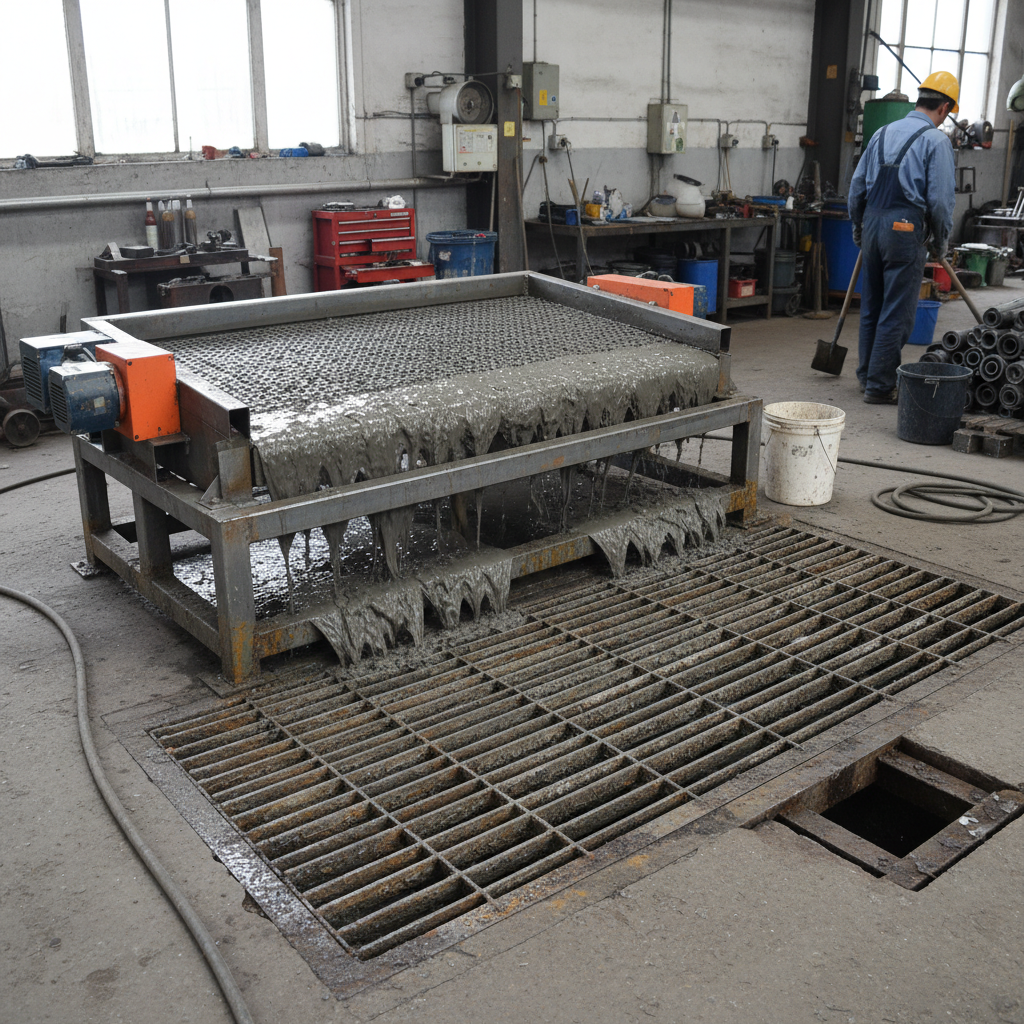
On a global scale, the infrastructure market has seen a significant shift toward sustainable urban drainage systems (SuDS). As ISO standards for civil engineering evolve, the integration of steel grating for drainage has become a standard requirement for airports, chemical plants, and municipal roads to mitigate the risk of flash flooding and structural degradation.
The challenge today lies in balancing extreme load requirements with corrosion resistance. In coastal regions or heavy industrial zones, the salt-laden air and chemical spills can rapidly degrade untreated steel, leading to costly replacements and hazardous instabilities in public walkways.
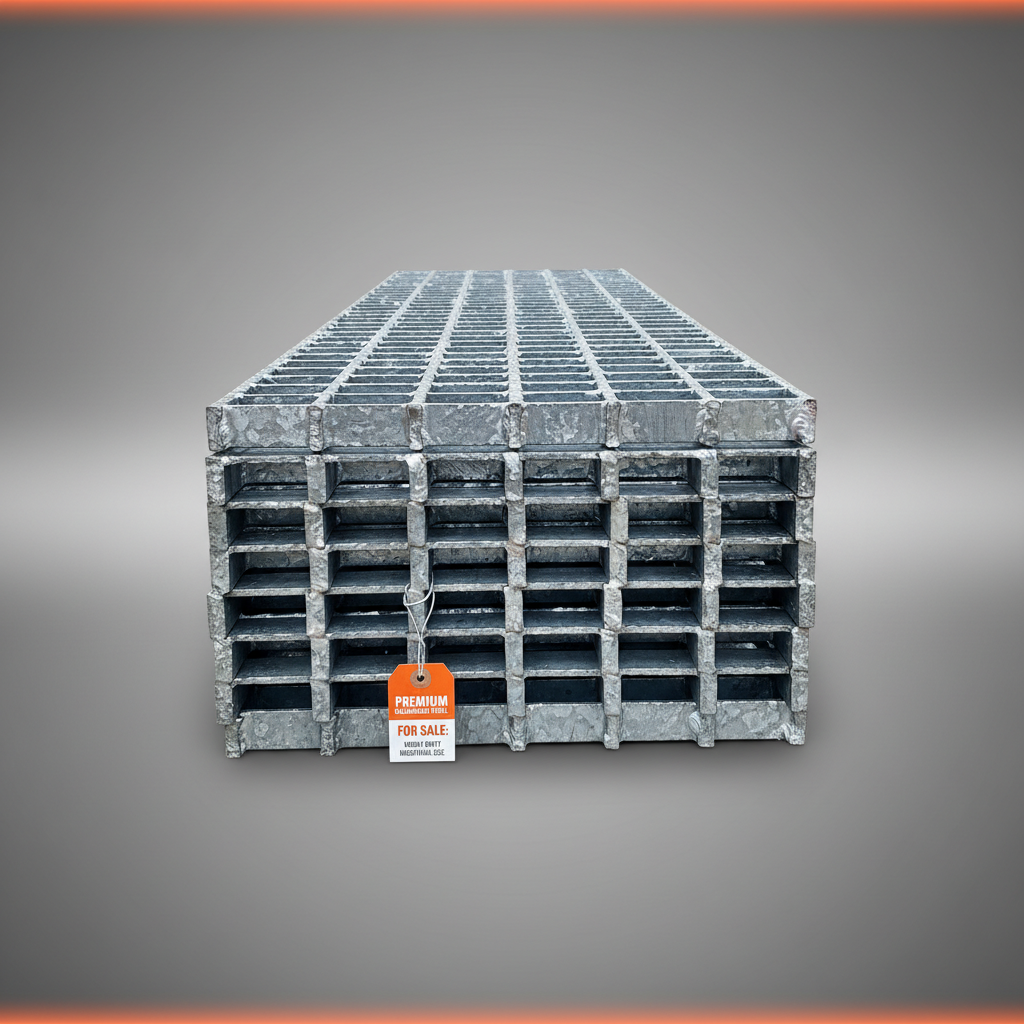
In simple technical terms, steel grating for drainage is a prefabricated structural system consisting of load-bearing bars and cross-bars welded or pressed together to form a grid. This design allows water to flow freely through the openings into an underlying trench or pipe system while providing a stable, slip-resistant surface for traffic.
Beyond mere water removal, these systems are essential for humanitarian and safety needs. In crowded urban centers, properly installed gratings prevent the accumulation of stagnant water, which reduces the breeding ground for insects and prevents the formation of dangerous ice patches in colder climates, thereby protecting public health and safety.
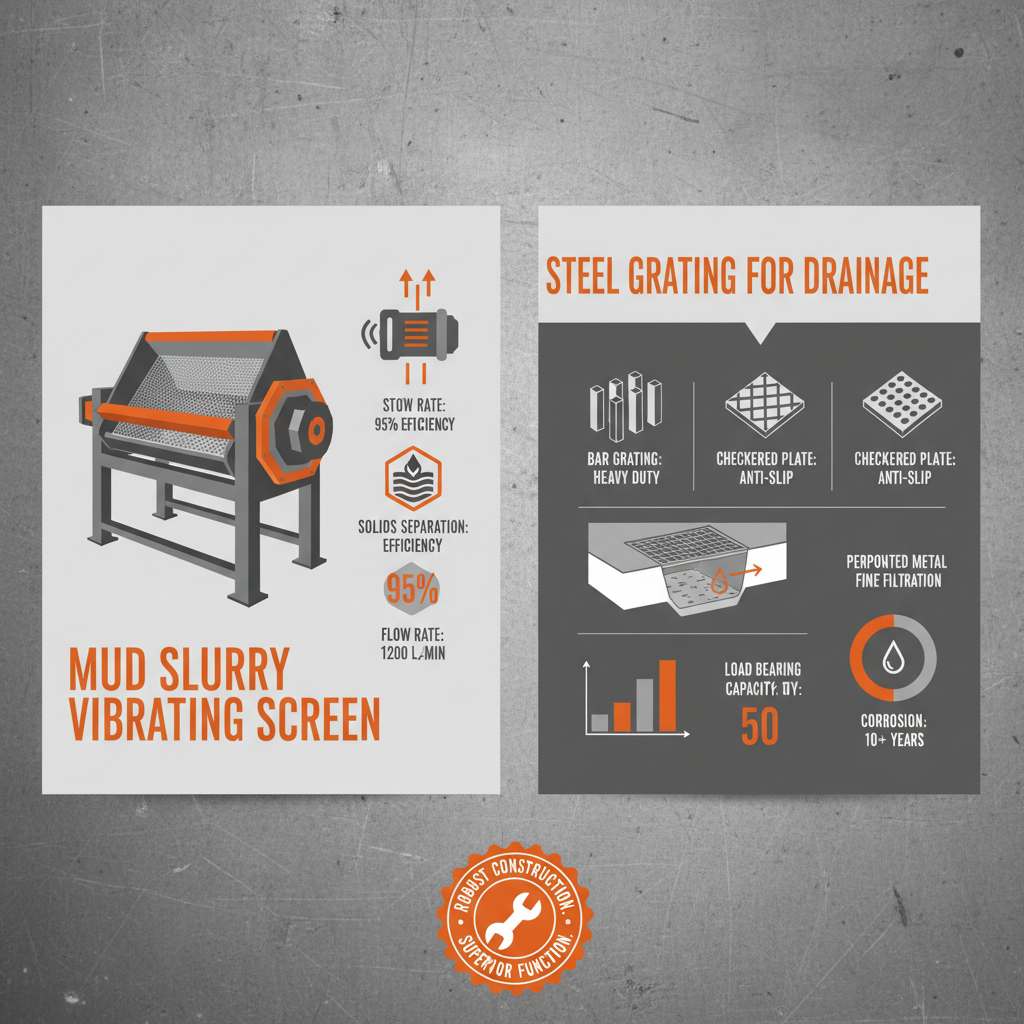
Modern industry utilizes various configurations of these gratings to suit specific needs, ranging from heavy-duty serrated bars for oily industrial floors to aesthetic, sleek designs for luxury commercial plazas. The primary goal remains the same: maximizing permeability without compromising structural integrity.
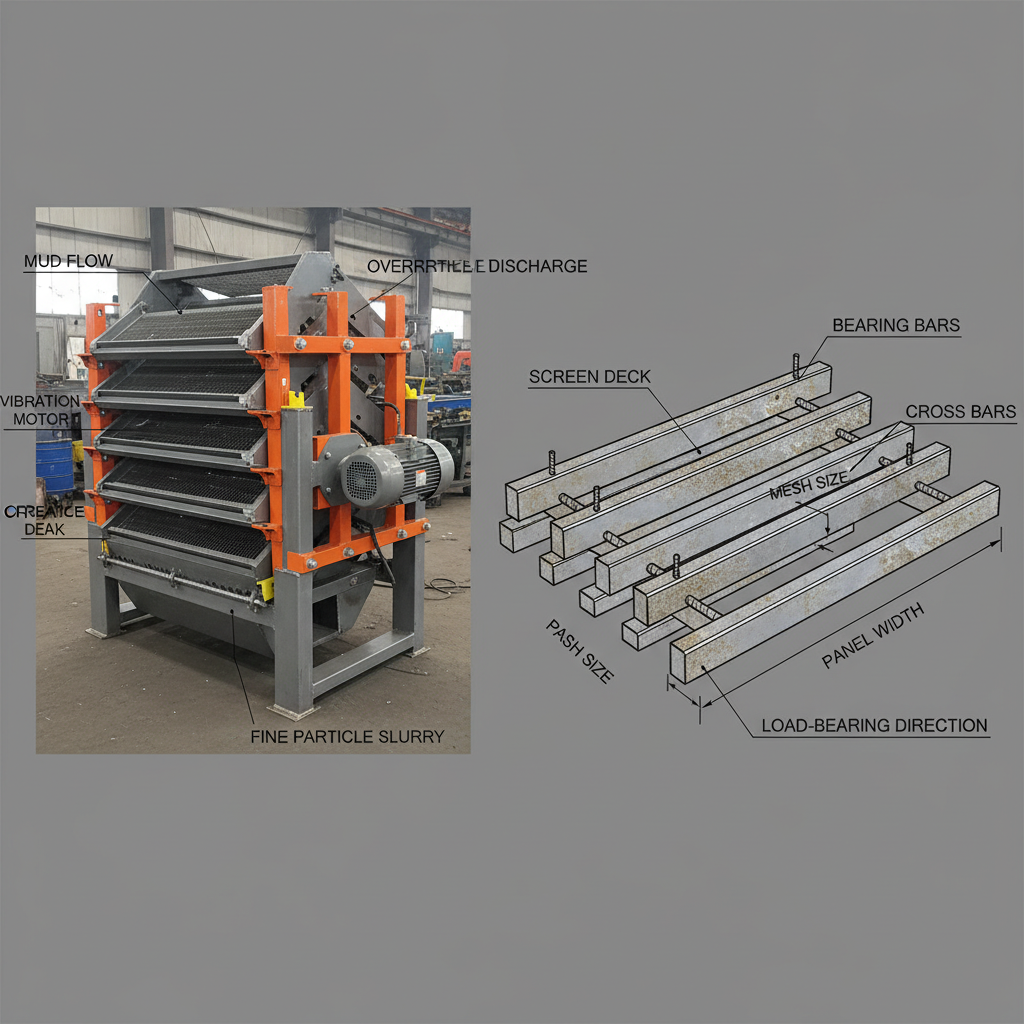
The durability of steel grating for drainage is primarily determined by the quality of the raw steel and the welding process. Load-bearing bars provide the primary vertical strength, while cross-bars ensure the grid remains square and resists twisting under uneven pressure.
Corrosion protection is another critical factor. Most high-end steel grating for drainage is hot-dip galvanized according to ASTM or ISO standards. This process creates a zinc-iron alloy layer that prevents rust from penetrating the core steel, extending the product's lifespan by decades in harsh environments.
Scalability and ease of installation are also key. Modular designs allow for rapid deployment in large-scale projects, such as airport runways or highway interchanges, where downtime must be minimized. The ability to customize mesh size ensures that the grating can filter out large debris while allowing maximum water throughput.
Evaluating the efficiency of steel grating for drainage requires a look at load-bearing ratings. Depending on the application, these gratings are categorized into light-duty (pedestrian), medium-duty (light vehicle), and heavy-duty (industrial/truck traffic) grades.
The relationship between bar thickness and spacing is a delicate balance; tighter spacing increases the load capacity but can slightly reduce the rate of water infiltration. Engineers typically use simulation software to determine the optimal configuration for a specific site's expected traffic.
In industrial zones, such as oil refineries or mining sites, steel grating for drainage is indispensable for managing chemical runoff and ensuring that walkways remain clear of hazardous liquids. In these environments, serrated surfaces are often used to provide maximum grip for workers wearing safety boots.
Beyond industry, municipal governments in Southeast Asia and Europe utilize these systems in "Sponge City" initiatives. By combining steel grating for drainage with permeable sub-layers, they can recharge groundwater while preventing the flash floods that often paralyze urban traffic during monsoon seasons.
The long-term value of investing in premium steel grating for drainage is found in the reduction of lifecycle costs. While lower-grade materials may seem cost-effective initially, the frequency of rust-related failures leads to higher maintenance costs and potential liability from accidents.
Sustainability is also a key driver. Steel is one of the most recycled materials on Earth. Most drainage gratings are manufactured from recycled scrap steel and can be fully recycled at the end of their service life, aligning with global circular economy goals.
Furthermore, there is a logical and emotional angle to these installations: safety and trust. A well-maintained drainage system reflects a commitment to quality and public safety, providing peace of mind to pedestrians and operational reliability for business owners.
The future of steel grating for drainage is leaning toward "smart" infrastructure. We are seeing the integration of sensors within drainage channels to monitor water levels and flow rates in real-time, allowing cities to predict flooding before it happens.
Material science is also evolving. New hybrid coatings, combining zinc with polymer layers, are being developed to withstand extremely acidic environments that would typically eat through standard galvanized steel. This is particularly vital for the growing pharmaceutical and semiconductor industries.
Automation in manufacturing, such as robotic precision welding, is ensuring that every piece of steel grating for drainage meets exact tolerances, reducing installation time and eliminating the "rattle" often associated with poorly fitted gratings.
| Material Type | Corrosion Resistance | Load Capacity | Lifespan (Years) |
|---|---|---|---|
| Mild Steel (Untreated) | Low | High | 2-5 |
| Hot-Dip Galvanized | High | High | 20-50 |
| Stainless Steel 304 | Very High | Medium-High | 50+ |
| Stainless Steel 316 | Extreme | Medium-High | 60+ |
| Epoxy Coated Steel | Medium-High | High | 15-25 |
| Composite-Steel Hybrid | High | Medium | 30-40 |
For coastal areas, Hot-Dip Galvanization is the minimum requirement, but Stainless Steel 316 is the gold standard. The molybdenum in 316 grade steel provides superior resistance to chlorides (salt), which would otherwise cause pitting corrosion in standard galvanized or 304-grade steel.
You must identify the heaviest vehicle expected to cross the grating. For pedestrian walkways, a light-duty grade is sufficient. For parking lots, medium-duty is required. For industrial ports or fire truck access routes, heavy-duty gratings with specific bar thicknesses (often 5mm or more) are essential to prevent deformation.
Yes, but it is recommended to use serrated steel grating and an epoxy or specialized polymer coating. The serrations provide the necessary slip resistance for oily surfaces, while the coating prevents the chemicals in the oil or solvent from corroding the base metal.
In high-traffic industrial areas, a quarterly inspection is recommended to check for debris buildup and signs of oxidation. In municipal settings, semi-annual cleaning and a visual check for structural sagging or loose frames are usually sufficient to ensure long-term safety.
Welded gratings are joined by fusion at the intersection of the bars, offering high strength and rigidity. Pressed gratings are locked together via mechanical pressure. Welded gratings are generally preferred for steel grating for drainage because they handle dynamic loads (vibrating traffic) more effectively.
Absolutely. Steel is infinitely recyclable without loss of quality. By choosing galvanized steel, you extend the product's life, reducing the need for frequent replacements. Additionally, many manufacturers now use low-emission galvanizing processes to minimize environmental impact.
In summary, steel grating for drainage is far more than a simple cover for a trench; it is a critical safety component that merges structural engineering with environmental management. By selecting the correct material grade and load capacity, industries and municipalities can ensure efficient water runoff, enhance pedestrian safety, and significantly reduce long-term maintenance costs.
As we move toward smarter and more sustainable cities, the integration of advanced materials and digital monitoring within drainage systems will become standard. We encourage engineers and developers to prioritize high-quality, galvanized, or stainless-steel solutions to future-proof their infrastructure. Visit our website for professional guidance and high-performance products: www.hfpetromesh.com