Understanding the fluctuations of metal grating price is essential for procurement managers and structural engineers across the global industrial landscape. Whether it is for oil and gas platforms, chemical processing plants, or urban infrastructure, the cost of high-grade steel grating directly impacts the feasibility and budget of large-scale construction projects. By analyzing the economic drivers behind these prices, companies can better forecast their expenditures and optimize their material sourcing strategies.
Globally, the market for industrial flooring is deeply intertwined with the volatility of raw steel markets and the evolving standards of workplace safety. As ISO standards for load-bearing capacities become more stringent, the demand for specialized coatings and high-tensile materials has shifted the metal grating price upwards. This trend underscores the need for a comprehensive understanding of how material grade, surface treatment, and manufacturing precision contribute to the final invoice.
The challenge for many industries lies in balancing the immediate cost of installation with the long-term value of durability. Choosing a lower-cost option may seem attractive initially, but the total cost of ownership—including maintenance and replacement—often reveals that investing in premium grating is more economical. This guide delves into the nuances of pricing, technical specifications, and market trends to provide a clear roadmap for navigating the complexities of the metal grating market.
Global Market Dynamics of Metal Grating Price
The global metal grating price is predominantly driven by the commodities market, specifically the cost of hot-rolled steel and aluminum. With the rise of industrialization in Southeast Asia and the ongoing infrastructure renewals in North America and Europe, demand has surged. This surge, coupled with supply chain disruptions, has led to a more volatile pricing environment where spot prices can shift weekly based on ore availability and energy costs.
Beyond raw materials, geopolitical trade policies and tariffs play a significant role in regional pricing. For instance, anti-dumping duties on steel imports from specific regions can cause a sharp spike in local market prices, forcing engineers to seek alternative materials or optimize their designs to use less material without sacrificing structural integrity. Understanding these macro-economic levers is key to timing large procurement orders.
Core Components Influencing Grating Costs
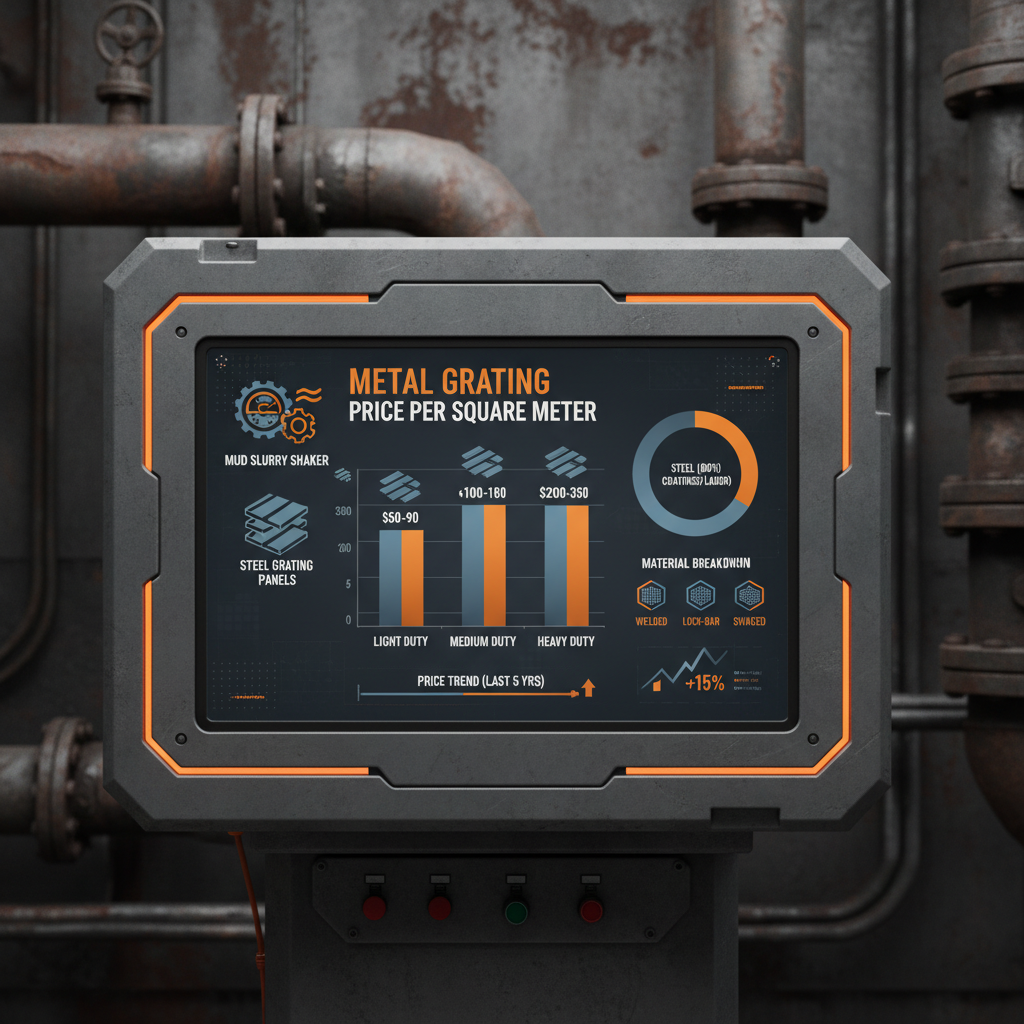
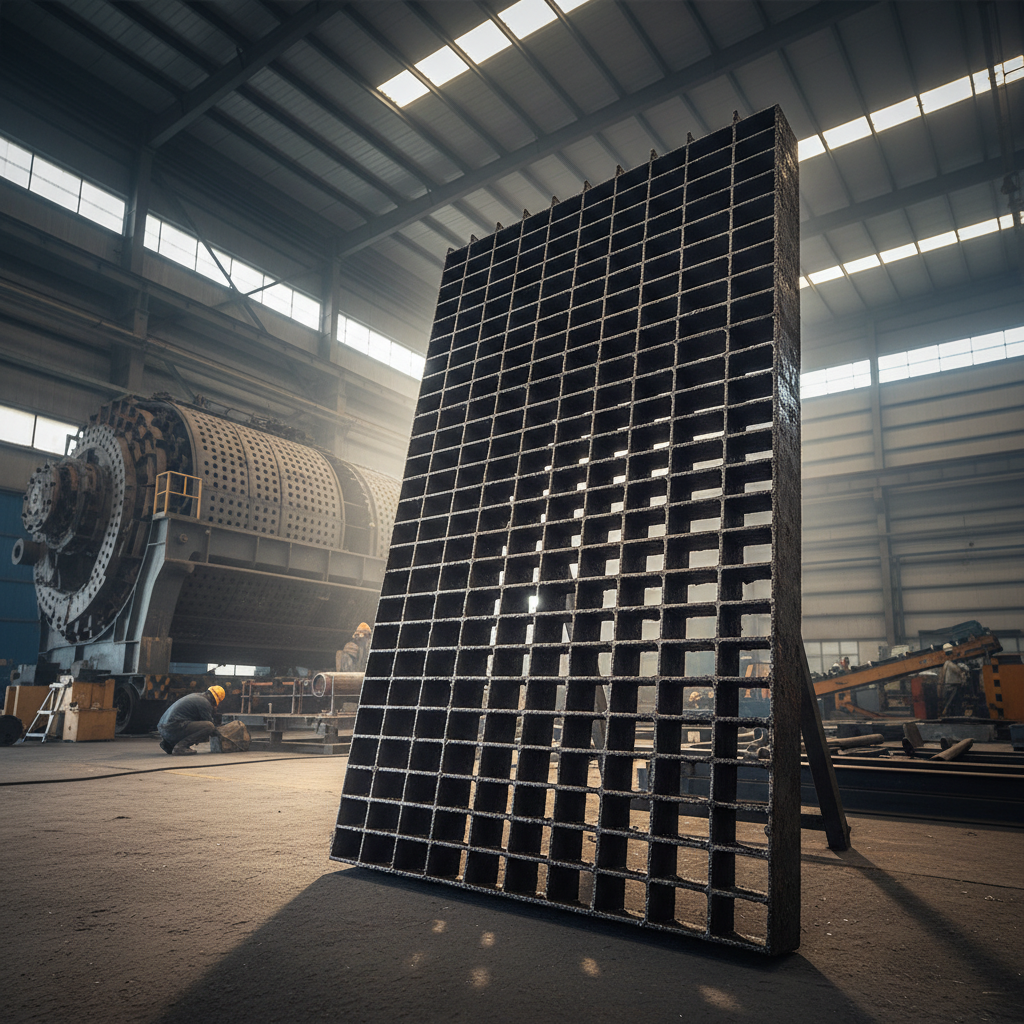
The final metal grating price is rarely a flat rate; it is a summation of several critical technical variables. The first is the "bearing bar" size and spacing. Thicker bars provide higher load-bearing capacity but increase the total weight of the steel used, which directly correlates to a higher price point. Similarly, the pitch (the distance between bars) affects both the material volume and the labor required for welding.
Another pivotal factor is the surface treatment. Standard hot-dip galvanizing is the industry norm for corrosion resistance, but for highly acidic or saline environments, specialized coatings or the use of stainless steel are required. These upgrades significantly inflate the price but are non-negotiable for safety in chemical plants or offshore rigs where salt-spray corrosion can compromise the structure within months.
Lastly, the precision of the fabrication process impacts the cost. Custom-cut gratings, designed to fit specific architectural footprints, require more CNC machining and manual trimming than standard sheet sizes. While custom orders increase the initial metal grating price, they reduce on-site installation time and waste, offering a different kind of efficiency.
Material Selection and Price Correlation
When analyzing metal grating price, the choice between carbon steel, galvanized steel, and aluminum is the most impactful decision. Carbon steel is the most economical, making it ideal for indoor warehouses where corrosion is not a primary concern. However, its lack of inherent protection means it requires painting or coating, which adds to the labor cost.
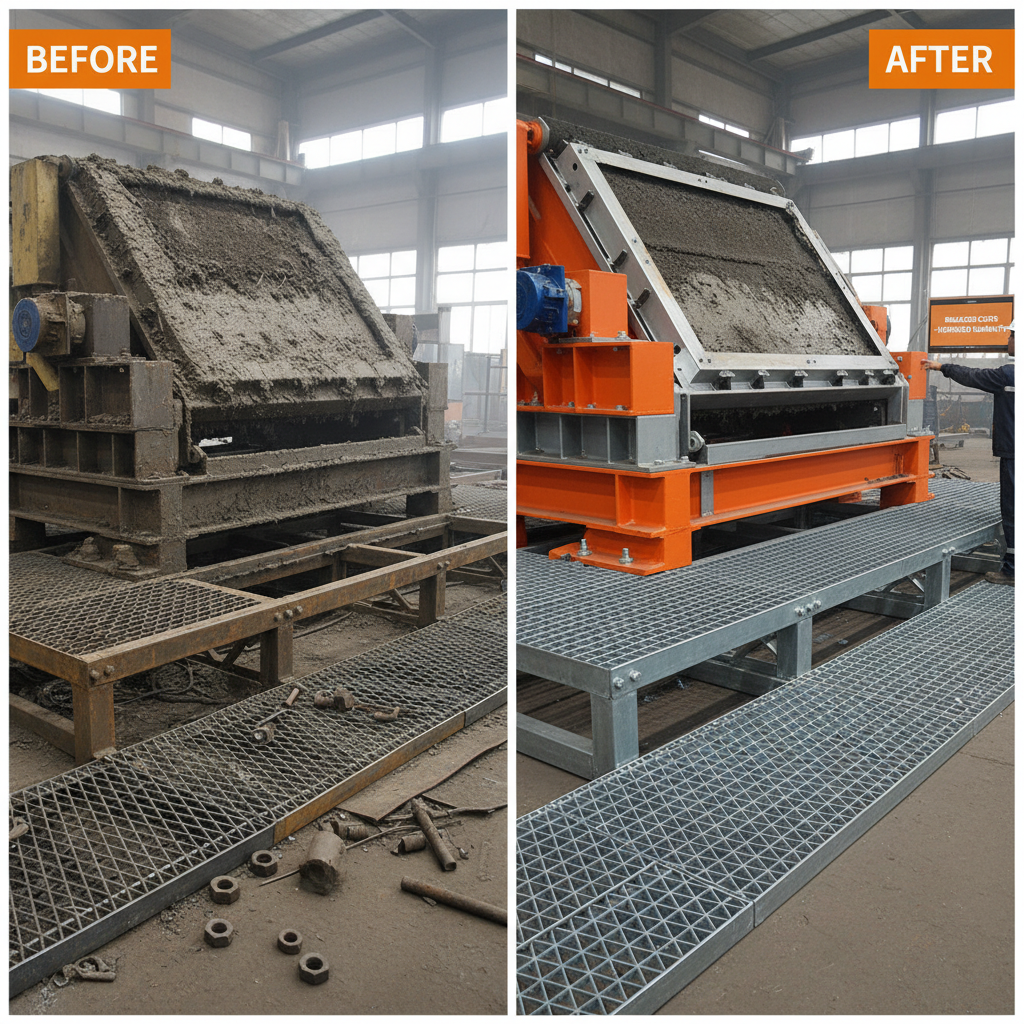
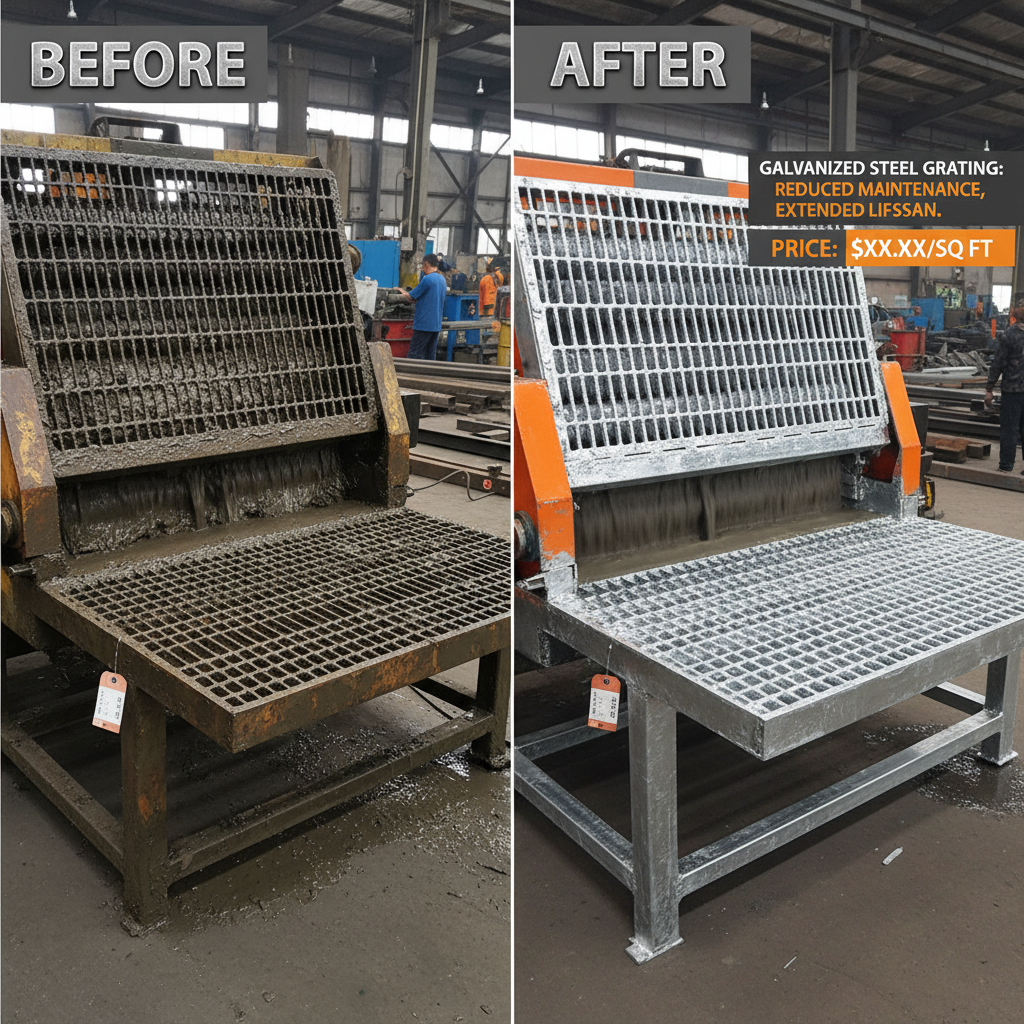
Galvanized steel represents the middle ground, offering a balanced metal grating price while providing exceptional longevity in outdoor environments. The zinc coating acts as a sacrificial anode, protecting the inner steel from oxidation. This makes it the gold standard for Perimeter Safety Netting and general industrial walkways.
For the most extreme environments, such as food processing plants or offshore oil platforms, stainless steel or aluminum are utilized. While the metal grating price for these materials can be three to five times higher than carbon steel, their immunity to rust and lighter weight (in the case of aluminum) reduce the structural load on the building and eliminate the need for recurring maintenance.
Cost Efficiency in Industrial Applications
Achieving cost efficiency requires looking beyond the sticker metal grating price and evaluating the "Life Cycle Cost" (LCC). In heavy-duty applications like Shale Shaker Screens or Concrete Weight Coating Mesh, the cost of failure is astronomical. A cheap grating that collapses under load or corrodes prematurely leads to unplanned downtime, which can cost a company thousands of dollars per hour.
Therefore, optimizing the design—such as using high-strength alloys that allow for thinner bars—can actually lower the overall project cost. By reducing the total weight of the metal without compromising safety, engineers can negotiate a more favorable metal grating price based on tonnage while maintaining the same structural performance.
Cost-to-Performance Analysis by Grating Type
Strategic Sourcing for Long-Term Value
To secure the most competitive metal grating price, strategic sourcing is paramount. Bulk purchasing is the most obvious method to lower costs, but "Just-in-Time" (JIT) delivery can save money by reducing warehouse overhead. The key is to establish long-term partnerships with manufacturers who can offer locked-in pricing contracts, protecting the buyer from the sudden spikes of the steel market.
Furthermore, verifying the E-E-A-T (Experience, Expertise, Authoritativeness, and Trustworthiness) of the supplier is critical. A suspiciously low metal grating price often indicates sub-standard raw materials or inadequate galvanizing thickness. Investing in a supplier with certified ISO quality management ensures that the product meets safety codes, avoiding the catastrophic costs of structural failure.
Sustainability and Future Pricing Trends
The future of metal grating price will be heavily influenced by the "Green Steel" movement. As manufacturers shift toward hydrogen-based smelting and electric arc furnaces (EAF) to reduce carbon emissions, the cost of production is expected to fluctuate. Initially, green steel may carry a premium price, but as carbon taxes become more prevalent globally, sustainable materials will become the most cost-effective choice.
Digital transformation is also playing a role. The use of BIM (Building Information Modeling) allows for the exact calculation of material needs, eliminating the common 10-15% waste factor in traditional ordering. This precision effectively lowers the real-world metal grating price by ensuring that every cent spent on material is utilized in the final structure.
Additionally, we are seeing a rise in hybrid composites that mimic the strength of steel but offer the corrosion resistance of polymers. While these materials currently occupy a niche market, their increasing scalability is putting downward pressure on the metal grating price of traditional metals, forcing steel manufacturers to innovate in coating technologies to remain competitive.
Comparative Analysis of Grating Price Factors
When comparing different options, it is helpful to break down the metal grating price into specific dimensions: raw material, processing labor, coating, and logistics. A high raw material cost can often be offset by streamlined logistics if the supplier is located closer to the project site.
Moreover, the architectural requirement for "slip resistance" (serrated vs. smooth bars) adds a layer of complexity to the pricing. Serrated bars require an extra rolling process, which increases the price slightly but significantly enhances safety in oily or wet environments, providing a higher return on investment through reduced workplace accidents.
Ultimately, the most successful procurement strategies treat the metal grating price not as a fixed cost, but as a variable that can be optimized through engineering and strategic planning. By aligning the material grade with the actual environmental stress, companies avoid "over-specifying," which is a common source of budget waste.
Analysis of Variable Impact on Final Metal Grating Pricing
| Material Grade |
Coating Type |
Price Impact Score |
Longevity Rating |
| Carbon Steel |
Oil-based Paint |
Low (2/10) |
Short (3/10) |
| Mild Steel |
Hot-Dip Galvanized |
Medium (5/10) |
High (8/10) |
| Aluminum 6061 |
Anodized |
High (7/10) |
Very High (9/10) |
| Stainless 304 |
None (Inherent) |
Very High (9/10) |
Extreme (10/10) |
| Stainless 316 |
None (Inherent) |
Premium (10/10) |
Extreme (10/10) |
| FRP Composite |
Resin Coated |
Medium (6/10) |
High (8/10) |
FAQS
The primary drivers include the global cost of raw steel and aluminum, energy prices for smelting, and transportation costs. Additionally, demand surges in the oil, gas, and infrastructure sectors often lead to temporary price hikes. Trade tariffs and import/export regulations between major producing nations also significantly influence regional pricing.
Hot-dip galvanization typically adds a moderate increase to the base material price. However, this is considered a high-value investment because it dramatically extends the life of the product by preventing rust. When compared to the cost of painting every few years, galvanized grating offers a much lower total cost of ownership.
Yes, serrated grating is generally more expensive than smooth grating. This is due to the additional manufacturing step required to create the notched surface. While the initial metal grating price is higher, the increased safety and slip resistance often justify the cost in industrial settings where moisture or oil is present.
You can lower costs by optimizing the engineering specifications—avoiding over-specifying the load capacity where it isn't needed. Additionally, ordering in bulk, standardizing sheet sizes to reduce custom cutting, and sourcing from manufacturers with direct access to raw materials can significantly reduce the per-unit cost.
Stainless steel contains chromium and nickel, which are far more expensive raw materials than the iron used in carbon steel. The manufacturing process is also more complex to avoid contamination. However, its extreme corrosion resistance means it requires zero maintenance over decades, offsetting the initial high price in corrosive environments.
Generally, yes. Since most suppliers quote prices based on weight (per ton or per kg), a heavier grating with thicker bars will cost more. However, high-strength alloys may allow for a lighter design that maintains the same load capacity, potentially reducing the total metal grating price while maintaining safety.
Conclusion
Navigating the complexities of metal grating price requires a holistic approach that balances immediate procurement costs with long-term structural durability. By understanding the impact of material selection, surface treatments, and global market trends, engineers and buyers can make informed decisions that safeguard both their budgets and their personnel. The shift toward sustainable materials and precision digital planning is further refining how we evaluate value in industrial flooring.
Looking forward, the integration of green steel and AI-driven design optimization will likely stabilize prices and reduce waste across the industry. We recommend that firms prioritize suppliers who offer transparent pricing and certified quality standards to ensure a high return on investment. For those seeking high-performance solutions tailored to specific industrial needs, we invite you to explore our comprehensive range. Visit our website: www.cndowelltech.com