0%

Table of Contents

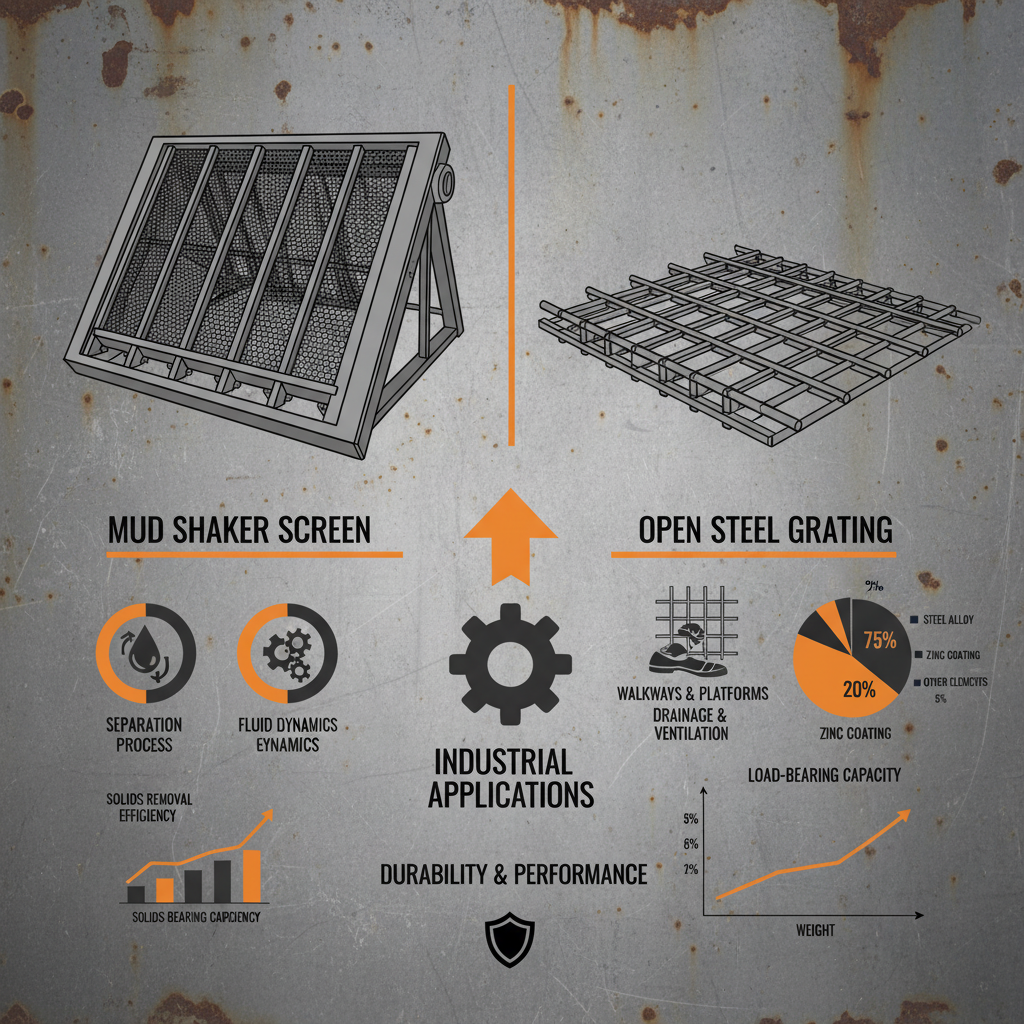
Open steel grating is a versatile and robust construction material increasingly vital in modern infrastructure and industrial applications. Its open design allows for excellent drainage, ventilation, and light penetration, making it ideal for a wide range of environments. Understanding its properties and applications is crucial for engineers, architects, and project managers seeking durable, safe, and cost-effective solutions.

Globally, the demand for efficient and reliable infrastructure is steadily growing, driven by urbanization, industrial expansion, and the need for improved safety standards. Open steel grating addresses these demands by providing a strong, non-slip surface suitable for walkways, platforms, stair treads, and drainage systems. It’s a solution employed across diverse sectors, from oil and gas facilities to wastewater treatment plants and commercial buildings.

The importance of open steel grating extends beyond mere functionality. It offers long-term value through its corrosion resistance, minimal maintenance requirements, and potential for recycling. As sustainability becomes a key focus in construction, the durability and recyclability of open steel grating make it a responsible choice for a greener future.
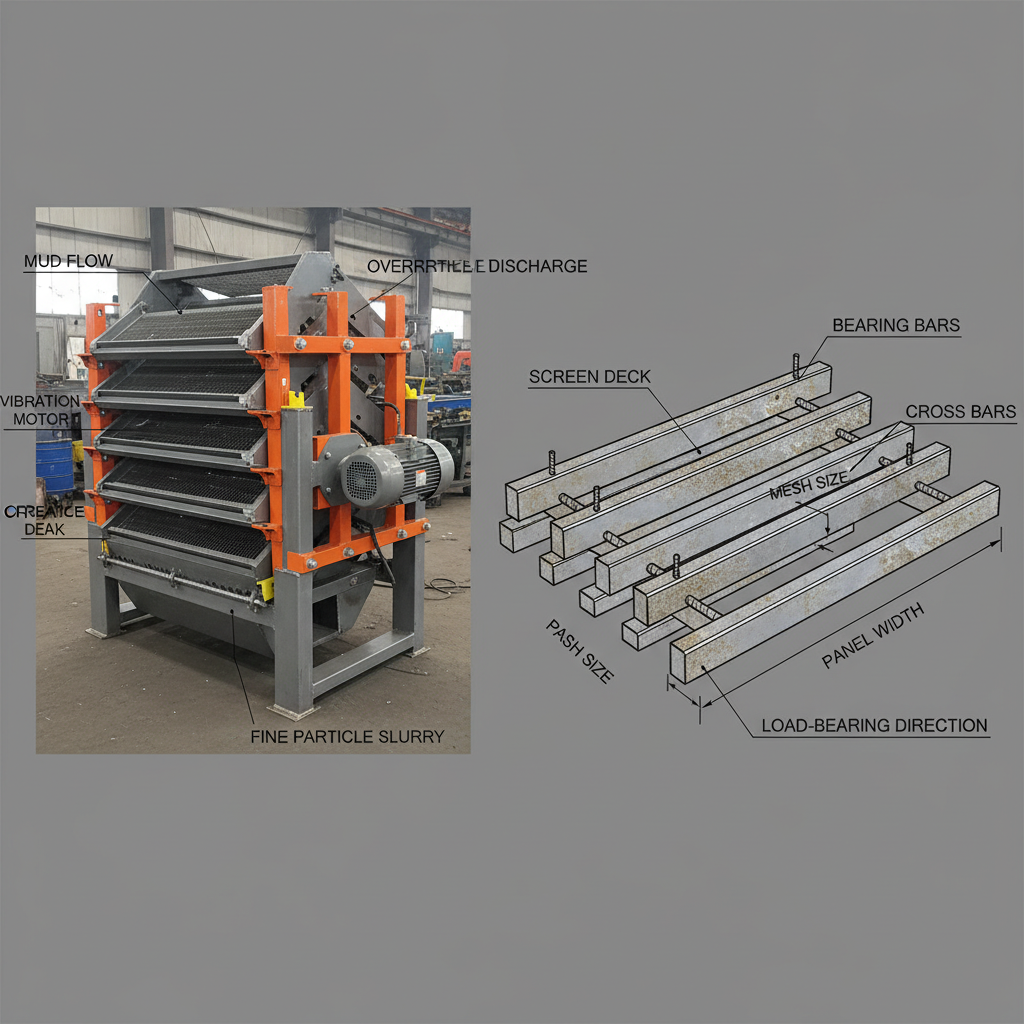
The Versatile Applications and LongTerm Value of Open Steel Grating

Introduction to Open Steel Grating

The Versatile Applications and LongTerm Value of Open Steel Grating

Open steel grating represents a significant advancement in industrial flooring and safety infrastructure. Its design, characterized by interconnected bars and supporting elements, provides a strong yet lightweight solution suitable for a vast range of applications. The inherent strength-to-weight ratio minimizes structural support requirements, reducing overall project costs.

Unlike solid flooring, open steel grating's open surface promotes airflow and prevents the accumulation of debris, making it ideal for environments where safety and hygiene are paramount. This feature also minimizes the risk of slips and falls, particularly in wet or oily conditions, enhancing workplace safety standards.

Global Relevance and Applications

The demand for open steel grating is intrinsically linked to global industrial development and infrastructure projects. From the booming construction sector in Asia to the ongoing modernization of facilities in North America and Europe, the need for durable, safe, and efficient flooring solutions is constantly increasing. The World Bank estimates that trillions of dollars are needed annually to meet global infrastructure demands, with a significant portion allocated to industrial facilities.

Currently, many industries, including oil and gas, chemical processing, power generation, and wastewater treatment, rely heavily on open steel grating for platforms, walkways, and drainage systems. The growth in renewable energy sectors, like offshore wind farms, also presents new opportunities for the application of corrosion-resistant open steel grating designed to withstand harsh marine environments.

A significant challenge in many parts of the world is aging infrastructure that requires modernization and repair. Open steel grating offers a cost-effective and efficient solution for replacing outdated flooring systems, improving safety, and extending the lifespan of existing facilities. Its ease of installation and minimal downtime contribute to reduced project costs and operational disruptions.

Defining Open Steel Grating

Open steel grating, at its core, is a structural component fabricated from a series of interwoven metal bars, typically steel or aluminum, joined together to form a rigid and load-bearing surface. This construction creates a network of openings, distinguishing it from solid flooring materials.

Its connection to modern industry stems from the need for safe, durable, and cost-effective flooring solutions in demanding environments. Historically, solid metal plates were used extensively, but they were often heavy, expensive, and prone to accumulating liquids and debris. Open steel grating addressed these limitations by providing a lighter, more economical, and safer alternative.

In humanitarian applications, open steel grating’s durability and ease of assembly make it suitable for temporary shelters, pedestrian walkways in refugee camps, and platforms for aid distribution. This showcases how a seemingly industrial product can have a positive impact on critical humanitarian needs by providing a safe and accessible environment.

Key Factors of Open Steel Grating

Several key aspects define the performance and suitability of open steel grating for specific applications. These include its durability, load capacity, corrosion resistance, safety features, ease of installation, and cost-effectiveness. Understanding these factors is vital for making informed decisions.

Comparison of Open Steel Grating Attributes


Real-World Applications

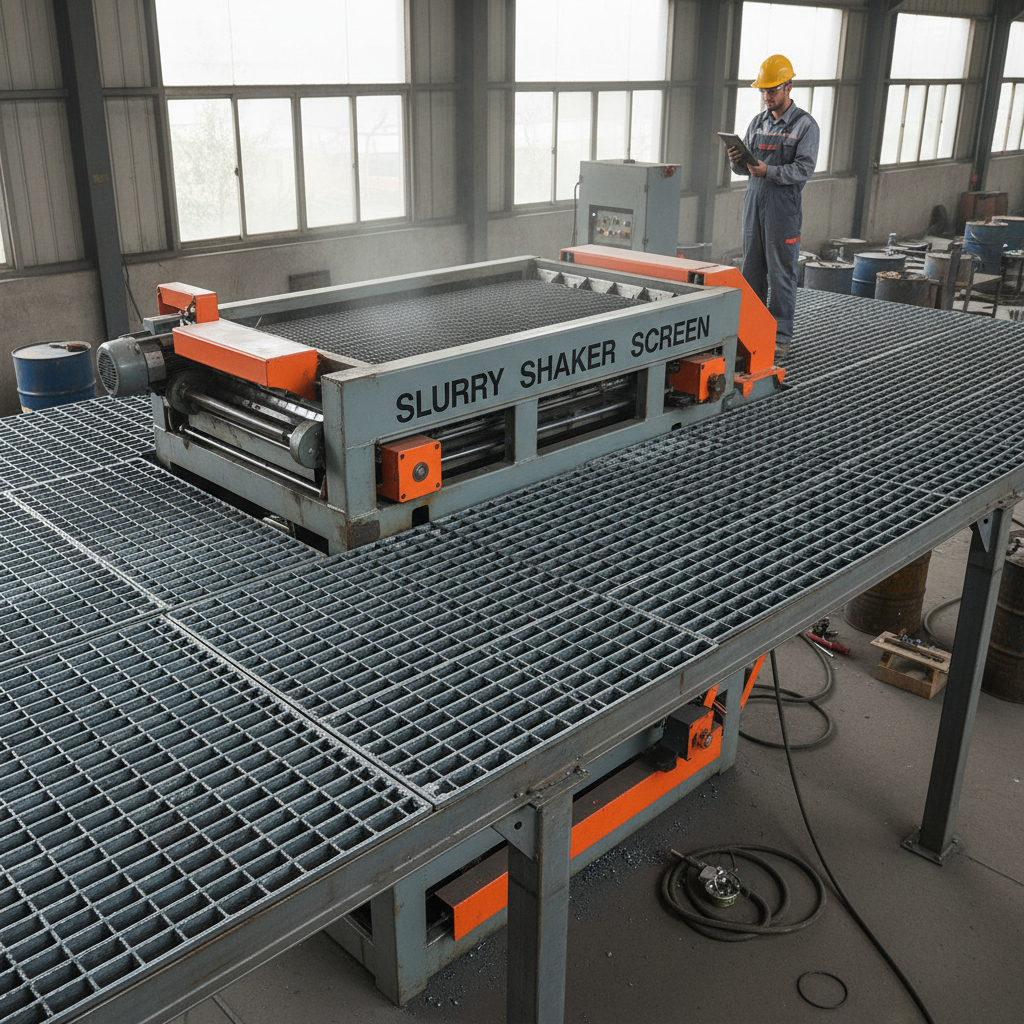
Open steel grating finds extensive use in diverse sectors globally. In the oil and gas industry, it provides safe and reliable walking surfaces on offshore platforms and refinery facilities. Wastewater treatment plants utilize it for walkways, stair treads, and drainage covers due to its corrosion resistance and ability to handle harsh chemical environments.

In post-disaster relief operations, open steel grating can be rapidly deployed as temporary bridges or walkways, providing access to affected areas. In remote industrial zones, where maintenance resources are limited, its durability and low maintenance requirements make it an ideal flooring solution.

Advantages and Long-Term Value

The benefits of using open steel grating extend beyond immediate cost savings. Its durability minimizes replacement costs, reducing the total cost of ownership over the lifespan of the structure. The open design promotes airflow and reduces water accumulation, minimizing the risk of corrosion and extending the service life. The inherent safety features reduce the risk of accidents and associated liabilities.

From a sustainability perspective, open steel grating is often manufactured from recycled materials and is itself recyclable at the end of its service life. This circularity aligns with environmentally responsible construction practices. By fostering a safer and more efficient work environment, open steel grating also contributes to increased productivity and employee well-being.

Future Trends and Innovations

Innovation in open steel grating is focused on improving material properties, enhancing manufacturing techniques, and integrating smart technologies. The development of new alloys with even greater corrosion resistance and strength is ongoing. Advanced coating technologies are being explored to further protect against harsh environmental conditions.

The integration of sensors and monitoring systems into open steel grating structures is a growing trend. These systems can provide real-time data on load distribution, structural integrity, and environmental factors, enabling proactive maintenance and preventing potential failures. These advancements will integrate with digital transformation initiatives, providing valuable data for asset management.

The focus on sustainability is driving the development of open steel grating made from even higher percentages of recycled materials. Furthermore, manufacturers are exploring innovative designs that minimize material usage without compromising structural integrity, reducing the carbon footprint of production.

FAQS

What are the primary materials used in the manufacturing of open steel grating?

The most common materials are carbon steel, stainless steel, and aluminum. Carbon steel offers excellent strength and cost-effectiveness, while stainless steel provides superior corrosion resistance, making it ideal for harsh environments. Aluminum is lightweight and highly corrosion-resistant, suitable for applications where weight is a critical factor. The selection depends on the specific application requirements and environmental conditions.

How does open steel grating compare to traditional solid flooring in terms of maintenance?

Open steel grating generally requires significantly less maintenance than solid flooring. Its open design allows for natural drainage and ventilation, preventing the buildup of debris, water, and ice. This reduces the risk of corrosion and eliminates the need for frequent cleaning and sealing. Regular inspection for loose fasteners is typically the only required maintenance.

What safety standards and certifications apply to open steel grating?

Open steel grating must meet relevant safety standards and certifications, such as those set by the North American Grating Association (NAGA) and international organizations like ISO. These standards address load-bearing capacity, slip resistance, and material quality. Certifications ensure that the grating has been tested and meets specified performance criteria.

Can open steel grating be customized to specific dimensions and load requirements?

Yes, open steel grating is highly customizable. Manufacturers can tailor the dimensions, bar spacing, material type, and load-bearing capacity to meet specific project requirements. Customization options include welding, fabrication, and the addition of special features like stair treads and edge angles.

What is the typical lifespan of a properly installed and maintained open steel grating system?

With proper installation and regular maintenance, an open steel grating system can have a lifespan of 25 years or more. The actual lifespan depends on the material used, the severity of the environment, and the frequency of maintenance. Galvanized steel and stainless steel grating typically offer the longest service life.

How does the cost of open steel grating compare to other flooring options like concrete or wood?

While the initial cost of open steel grating may be slightly higher than some flooring options like concrete or wood, its long-term cost-effectiveness is often superior. The reduced maintenance requirements, increased durability, and potential for recycling contribute to a lower total cost of ownership. Additionally, the faster installation time can minimize project downtime and labor costs.

Conclusion

In conclusion, open steel grating offers a compelling combination of strength, durability, safety, and cost-effectiveness, making it an essential material for modern infrastructure and industrial applications. Its open design, corrosion resistance, and ease of installation contribute to its widespread adoption across diverse sectors globally. The continued innovation in materials and manufacturing techniques ensures its relevance and competitiveness in the years to come.

Looking ahead, the demand for sustainable and resilient infrastructure will drive further innovation in open steel grating technology. By embracing circular economy principles and integrating smart monitoring systems, we can maximize the long-term value of this versatile material, creating safer, more efficient, and more sustainable environments. For reliable open steel grating solutions, visit our website: www.cndowelltech.com

Brian Miller

Brian Miller

Brian Miller is a Process Engineer at Hangshun Wire Mesh. His primary focus is on optimizing the galvanizing process to provide superior corrosion protection for our welded wire mesh products. He conducts research on new galvanizing techniques and materials to enhance the lifespan and performance of our mesh in harsh
Previous The Crucial Role of Steel Grating Galvanis in Modern Infrastructure Development
Next Exploring the Versatility and Applications of Mild Steel Grating in Modern Infrastructure