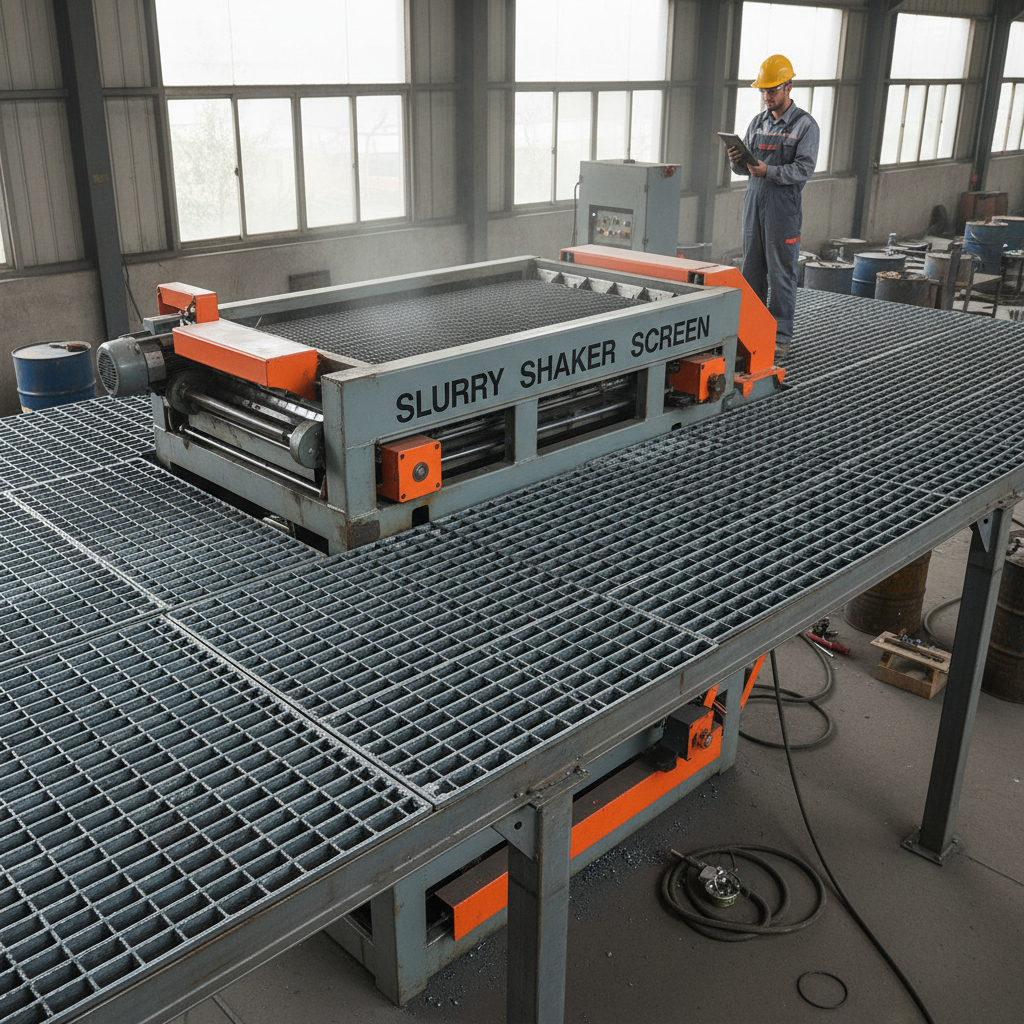
Mild steel grating plays a vital role in modern infrastructure and industrial applications worldwide. Its robust construction, cost-effectiveness, and versatility make it an essential component in a wide range of sectors, from construction and manufacturing to transportation and energy. Understanding the properties and applications of mild steel grating is crucial for engineers, architects, and procurement professionals seeking reliable and durable solutions.
The global demand for mild steel grating is driven by continuous infrastructure development, particularly in emerging economies. According to the World Steel Association, global steel demand reached 1.83 billion tonnes in 2022, highlighting the fundamental role of steel products like grating in supporting economic growth. Its applications are expanding rapidly due to increasing safety regulations and the need for efficient drainage and ventilation systems.
Addressing challenges like corrosion and maintenance is critical to maximizing the lifespan and minimizing the lifecycle cost of mild steel grating installations. Advancements in protective coatings and innovative grating designs continue to improve the durability and sustainability of this essential material. Selecting the right type of mild steel grating for specific applications is paramount to ensuring long-term performance and safety.
Introduction to Mild Steel Grating
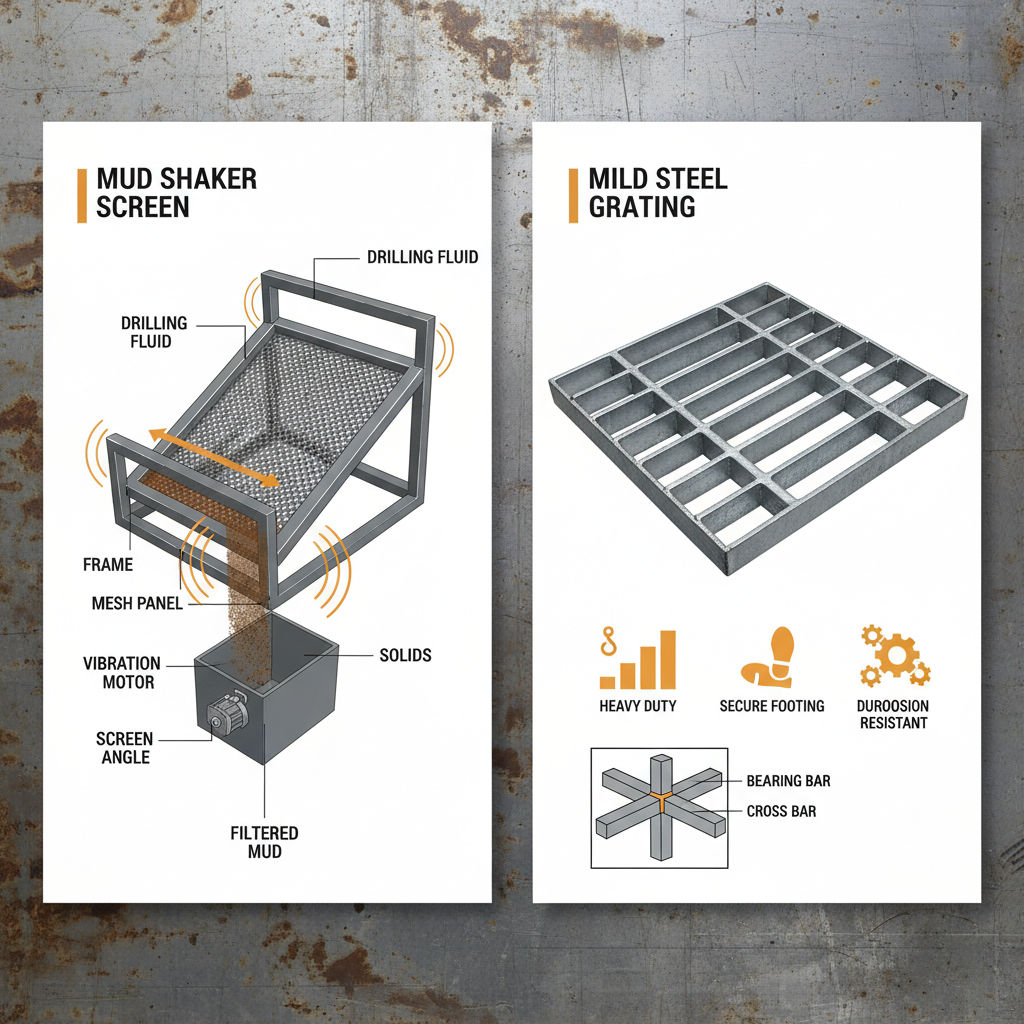
Mild steel grating represents a foundational element in countless industrial and commercial projects. It's appreciated not just for its strength, but for its open design which allows for the passage of light, air, and liquids – vital in safety-conscious environments. Choosing the right specifications of mild steel grating is essential for optimizing performance.
The consistent demand for reliable infrastructure solutions means that mild steel grating will continue to be a significant material in construction and various industrial settings. Its comparatively lower cost versus stainless steel or aluminum further cements its position in budget-conscious projects, without compromising on essential structural integrity.
FAQS
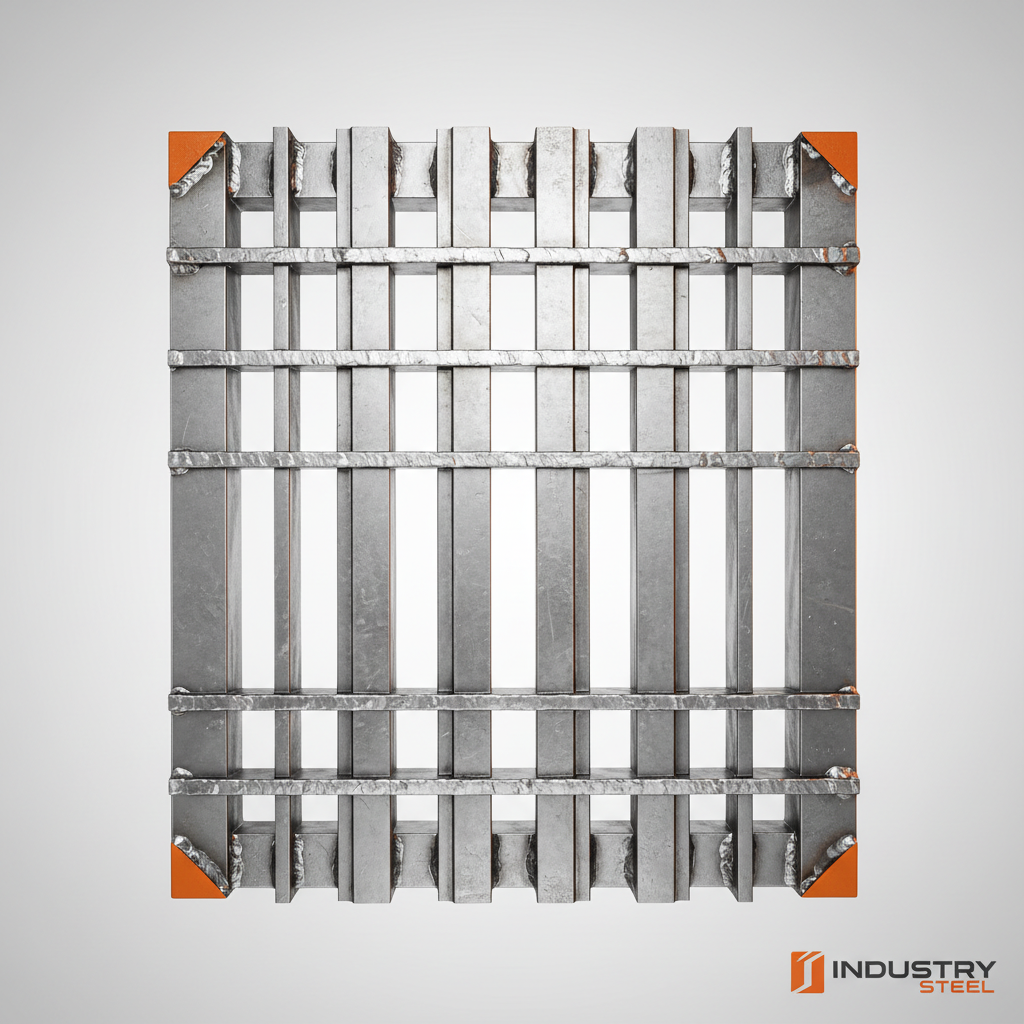
The load-bearing capacity of mild steel grating is primarily determined by the spacing and thickness of the bearing bars, as well as the material’s yield strength. Wider spacing generally reduces capacity, while thicker bars and higher-strength steel increase it. The type of welding and the overall structural design also play a crucial role in distributing loads effectively. Selecting the correct grating for a specific application requires careful consideration of these parameters.
Preventing corrosion in mild steel grating involves several strategies. Hot-dip galvanization is a common and effective method, providing a zinc coating that protects the steel from environmental factors. Powder coating offers an additional layer of protection and can be applied in various colors. Regularly applying protective paints or sealants can also extend the lifespan of the grating. In highly corrosive environments, duplex systems (galvanization + powder coating) are recommended.
The open area ratio, which refers to the percentage of open space in the grating, influences several performance aspects. A higher open area ratio promotes better drainage, ventilation, and light transmission. However, it can also reduce the load-bearing capacity if the bearing bars are spaced too far apart. Finding the right balance between open area and structural integrity is crucial for optimal performance.
With proper maintenance, including regular cleaning and reapplication of protective coatings, mild steel grating can have a lifespan of 25-50 years or even longer. The actual lifespan depends on the severity of the environment, the frequency of maintenance, and the quality of the initial fabrication and installation. Regular inspections and prompt repairs can significantly extend the service life.
Welded mild steel grating generally offers higher load-bearing capacity and greater structural integrity compared to press-locked grating. The welding process creates a stronger and more permanent connection between the bearing bars and cross bars. Welded grating is typically preferred for heavy-duty applications where maximum strength is required. Press-locked grating is often more cost-effective and easier to assemble for lighter-duty applications.
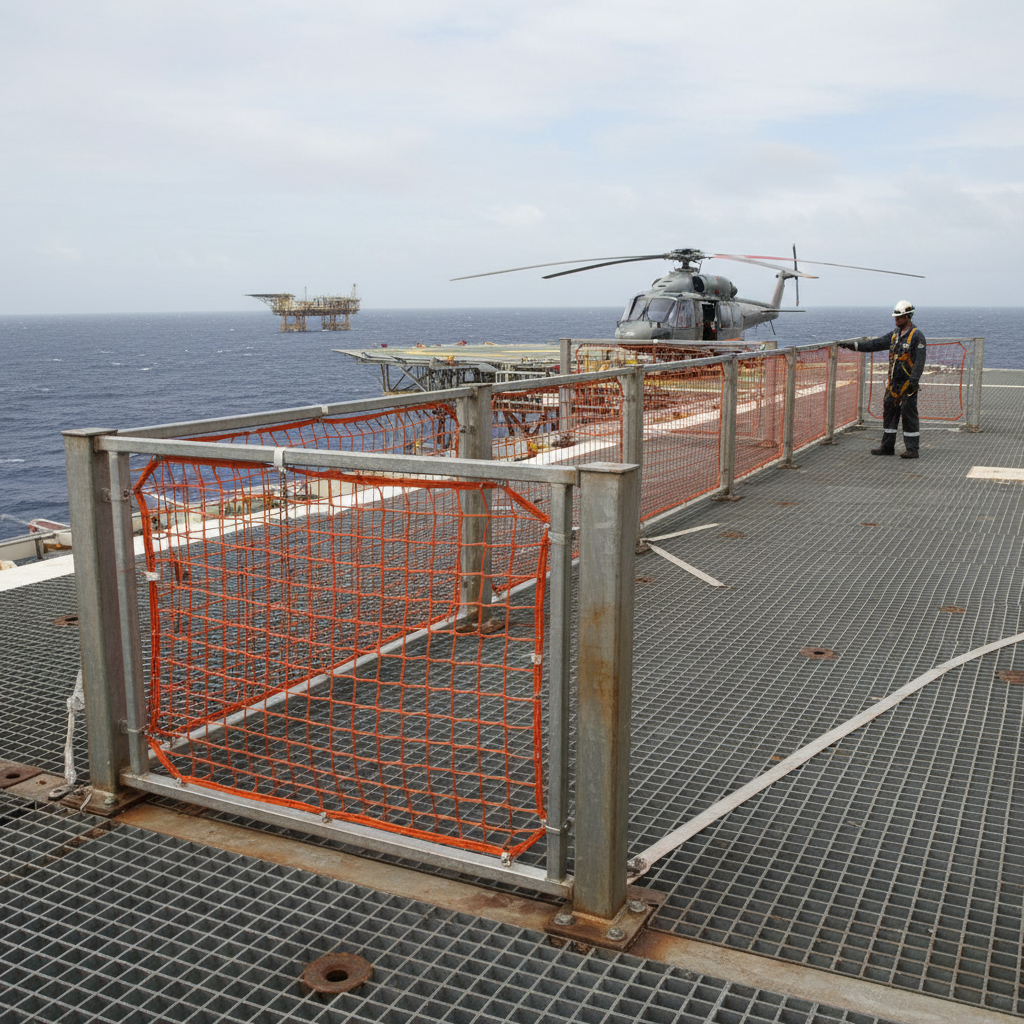
When selecting mild steel grating for outdoor applications, consider the exposure to weather elements, such as rain, snow, and UV radiation. Opt for grating with robust corrosion protection, such as hot-dip galvanization or powder coating. Ensure proper drainage to prevent water accumulation, which can accelerate corrosion. Regular inspection and maintenance are essential to identify and address any signs of corrosion or damage.
Conclusion
Mild steel grating remains a cornerstone material in countless industries, offering a compelling blend of strength, cost-effectiveness, and versatility. Understanding its core characteristics, key applications, and future trends is vital for professionals seeking reliable and durable infrastructure solutions. Effective corrosion protection and optimized design are central to maximizing its lifespan and minimizing lifecycle costs.
Looking ahead, continued innovation in coating technologies, fabrication techniques, and digital integration will further enhance the performance and sustainability of mild steel grating. Choosing mild steel grating wisely, with a focus on long-term value and environmental responsibility, will contribute to safer, more efficient, and more resilient infrastructure for years to come.
Related Posts