Steel grating galvanis plays a crucial role in modern infrastructure, offering a robust and cost-effective solution for a wide range of applications. From industrial flooring and walkways to security fencing and drainage systems, this versatile material is found across diverse sectors globally. Understanding its properties, manufacturing processes, and applications is essential for engineers, architects, and procurement professionals seeking durable and reliable construction materials.
The global demand for steel grating galvanis is driven by continuous industrialization, urbanization, and infrastructure development, particularly in emerging economies. According to the World Steel Association, global steel demand is projected to grow in the coming years, reflecting increased construction activity and manufacturing output. This growth necessitates efficient and sustainable materials like steel grating galvanis, offering longevity and reduced lifecycle costs.
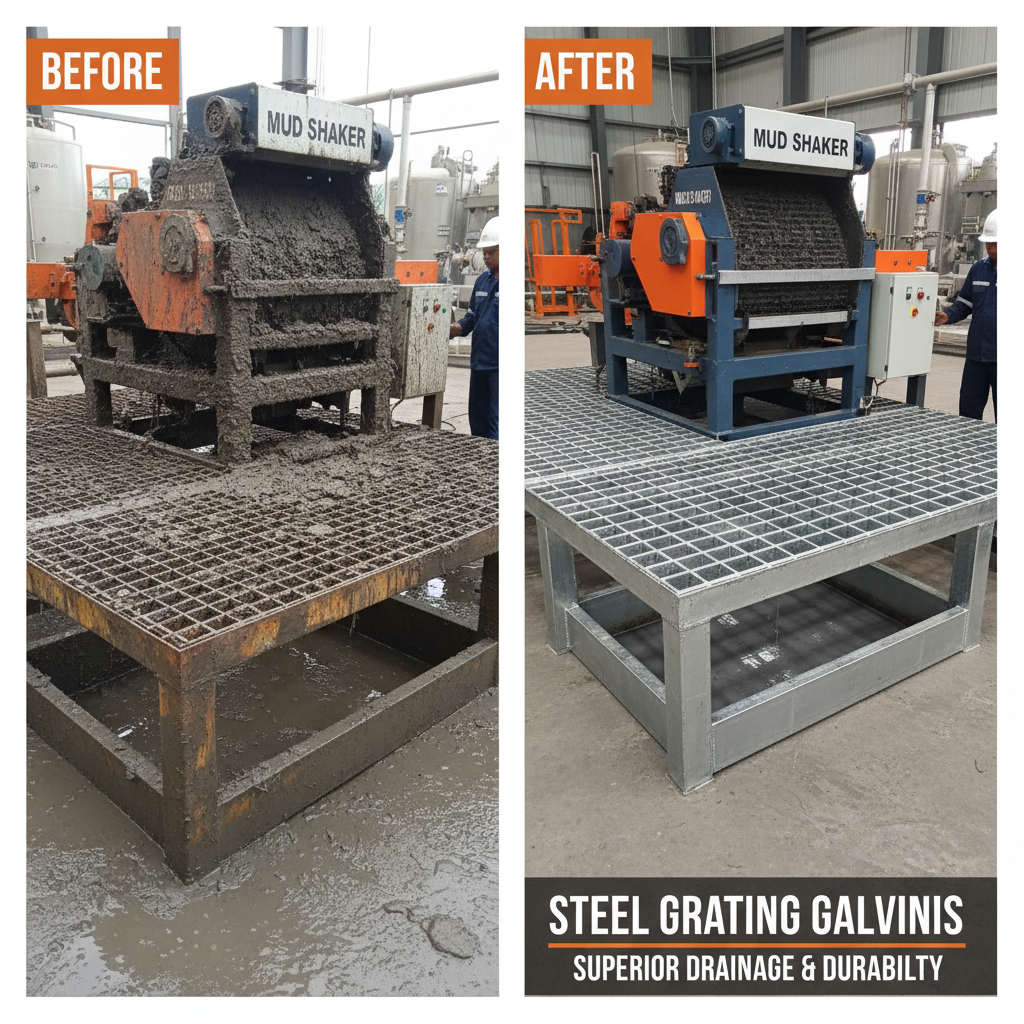
Steel grating galvanis addresses critical challenges in safety, durability, and cost-effectiveness. Traditional materials often require frequent maintenance and replacement, leading to higher long-term expenses. Steel grating galvanis provides a superior alternative, minimizing maintenance needs and ensuring a safer working environment for personnel in industrial and public spaces.
Introduction to steel grating galvanis
Steel grating galvanis is a construction material fabricated from interconnected bars or rods, forming a robust and open grid. The galvanization process, involving the coating of steel with zinc, provides exceptional corrosion resistance, making it suitable for both indoor and outdoor applications. This material’s strength-to-weight ratio and inherent safety features contribute to its widespread use across various industries.
The initial investment in steel grating galvanis is often offset by its minimal maintenance requirements and extended lifespan. This makes it a financially prudent choice compared to other materials that may require frequent repairs or replacements. The open grid design also allows for the passage of light and air, enhancing visibility and ventilation in industrial environments.
The Global Relevance of Steel Grating Galvanis
The demand for steel grating galvanis is intrinsically linked to global infrastructure development. Rapid urbanization in Asia-Pacific, Africa, and Latin America drives the need for robust and durable materials for constructing industrial facilities, transportation networks, and public spaces. The United Nations estimates that global urbanization will continue to accelerate, requiring substantial investments in infrastructure in the coming decades. steel grating galvanis provides a practical solution for meeting these demands.
Moreover, increasing emphasis on safety regulations across industries necessitates the use of secure and reliable flooring and walkway systems. Steel grating galvanis, with its non-slip surface and load-bearing capacity, addresses these safety concerns effectively. Regulations established by organizations like the International Organization for Standardization (ISO) further promote the adoption of high-quality materials like galvanized steel grating.
The challenges of corrosion and material degradation in harsh environments, particularly in coastal regions or industrial zones with corrosive atmospheres, are addressed by the galvanization process. This protective coating significantly extends the service life of steel grating, minimizing the need for costly repairs and replacements, and ultimately reducing the environmental impact associated with material waste.
Defining Steel Grating Galvanis
Steel grating galvanis is essentially an assembly of intersecting metal bars, securely joined to form a load-bearing grid. These bars are typically manufactured from carbon steel, renowned for its strength and affordability. The ‘galvanis’ component refers to the galvanization process – a method of applying a protective zinc coating to the steel.
This process isn’t merely a surface treatment; it creates a metallurgical bond between the zinc and the underlying steel, providing cathodic protection. This means that even if the coating is scratched or damaged, the zinc will continue to protect the steel from corrosion. This connection to material science and protective technologies is why steel grating galvanis is so critical in modern industry.
The application of steel grating galvanis is intrinsically linked to societal needs – from providing safe walkways in factories to enabling efficient drainage systems in public infrastructure. Its versatility and durability make it a cornerstone material in constructing a safer and more sustainable built environment.
Key Factors of Steel Grating Galvanis
Durability is a primary factor driving the popularity of steel grating galvanis. The galvanization process provides exceptional resistance to corrosion, ensuring a long service life, even in harsh environments. This minimizes lifecycle costs and reduces the need for frequent replacements.
Scalability is another key benefit. Steel grating can be easily fabricated to specific dimensions and load-bearing requirements, accommodating a wide range of project needs. This flexibility simplifies installation and reduces on-site modifications.
Comparative Analysis of Steel Grating Galvanis Manufacturing Methods
Applications and Use Cases
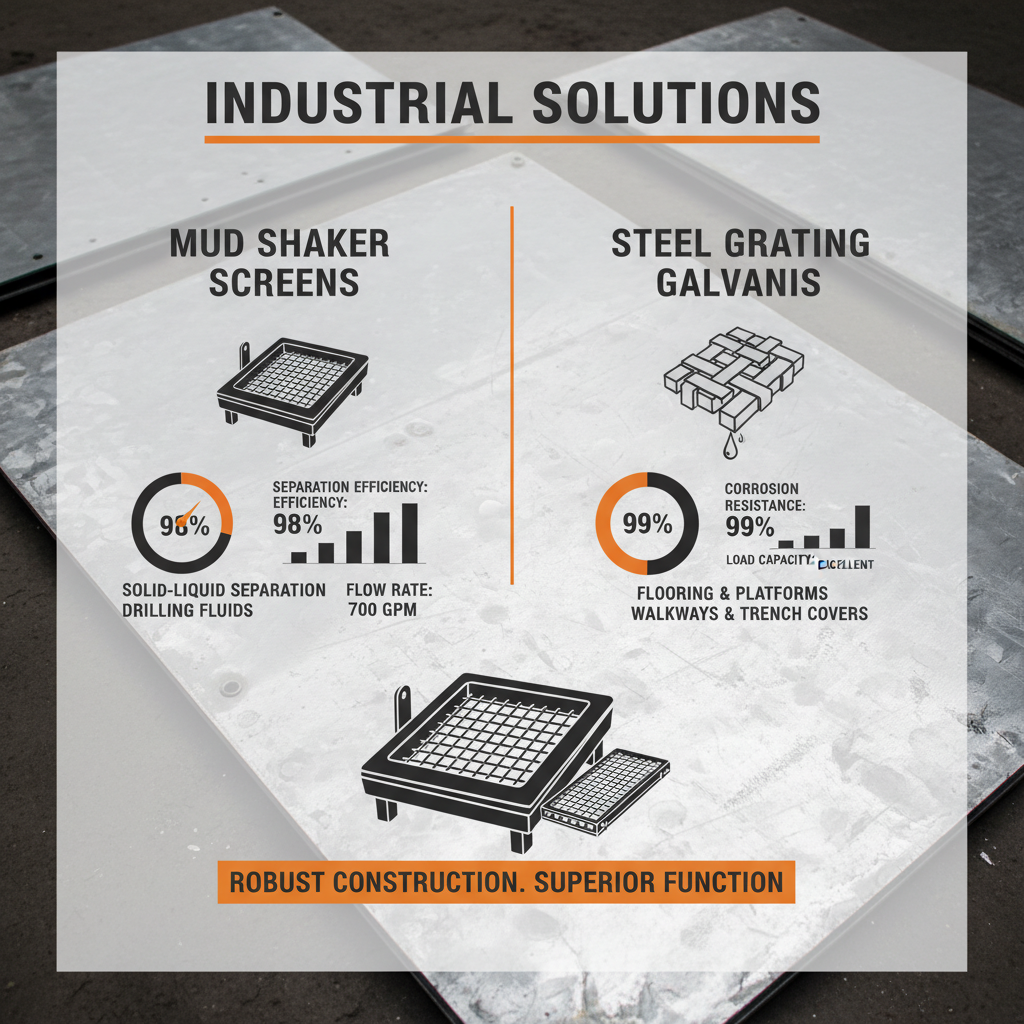
Steel grating galvanis finds extensive application in industrial facilities, serving as flooring, walkways, and stair treads. Its open grid design allows for the passage of fluids and debris, making it ideal for chemical plants, oil refineries, and wastewater treatment facilities. The non-slip surface ensures worker safety in potentially hazardous environments.
In infrastructure projects, steel grating galvanis is used for bridge decks, drainage systems, and security fencing. Its high strength-to-weight ratio reduces structural load and simplifies installation. The corrosion resistance provided by the galvanization process ensures a long service life, even in harsh weather conditions.
Advantages and Long-Term Value
The cost-effectiveness of steel grating galvanis extends beyond its initial purchase price. Reduced maintenance requirements and an extended lifespan contribute to significant long-term savings. The durability of the material minimizes the need for repairs and replacements, lowering overall lifecycle costs. Furthermore, the material's recyclability promotes sustainability and reduces environmental impact.
The inherent safety features of steel grating galvanis enhance worker protection and minimize the risk of accidents. The non-slip surface and robust construction provide a secure footing, even in wet or oily conditions. This contributes to a safer working environment and reduces potential liability costs.
Future Trends and Innovations
Ongoing research and development efforts are focused on enhancing the corrosion resistance of steel grating galvanis through advancements in coating technologies. New zinc alloy coatings and pre-treatment processes are being explored to further extend the material's lifespan and reduce maintenance needs.
The integration of smart technologies, such as sensors embedded within the grating, is emerging as a potential innovation. These sensors can monitor structural integrity, detect corrosion, and provide real-time data on load distribution, enabling proactive maintenance and optimizing performance.
Summary of Key Considerations for Steel Grating Galvanis Selection
| Application Environment |
Load Capacity Required |
Corrosion Resistance Level |
Cost Considerations |
| Industrial Facility (Chemical Plant) |
High (Heavy Machinery) |
Extreme (Corrosive Chemicals) |
Medium-High (Long-term Durability) |
| Wastewater Treatment Plant |
Medium (Maintenance Access) |
High (Constant Moisture) |
Medium (Balance Cost & Resistance) |
| Bridge Decking |
Very High (Vehicle Traffic) |
Medium-High (Weather Exposure) |
High (Initial Investment) |
| Security Fencing (Coastal Area) |
Low (Perimeter Security) |
Extreme (Saltwater Corrosion) |
Medium (Long-Term Protection) |
| Walkways (Commercial Building) |
Medium (Foot Traffic) |
Low-Medium (General Weather) |
Low-Medium (Aesthetics & Cost) |
| Drainage Systems (Industrial Yard) |
Low-Medium (Water Flow) |
Medium (Chemical Runoff) |
Medium (Efficient Drainage) |
FAQS
The lifespan of steel grating galvanis in a marine environment depends on the thickness of the zinc coating and the severity of the salt exposure. Generally, with a robust galvanization process, it can last 20-30 years with minimal maintenance, but regular inspections are crucial. Factors like wave action and proximity to the waterline can influence degradation rates. Proper surface preparation and a thicker zinc coating enhance longevity.
Steel grating galvanis, despite its open grid design, can often match or even exceed the load-bearing capacity of solid steel plates of comparable thickness. This is due to the efficient distribution of load across the interconnected bars. The design is optimized to transfer stress effectively, offering a high strength-to-weight ratio. However, specific capacity depends on the grating’s bar size, spacing, and the steel grade used.
While galvanization provides excellent corrosion resistance, steel grating galvanis can be susceptible to corrosion from certain highly corrosive chemicals, particularly strong acids and alkalis. The zinc coating acts as a sacrificial anode, protecting the underlying steel, but it will eventually be depleted in extremely harsh chemical environments. Selecting specialized coatings or alternative materials is crucial in such applications.
Steel grating galvanis typically requires minimal maintenance. Regular inspections for physical damage (e.g., bent or broken bars) are recommended. Periodic cleaning to remove dirt and debris can help maintain its appearance and prevent localized corrosion. If the galvanization coating is damaged, localized repair with zinc-rich paint can extend the lifespan.
Steel grating galvanis is commonly connected to support structures using welding, bolting, or clamping methods. Welding provides a strong and permanent connection, while bolting allows for easy disassembly and maintenance. Clamps are often used for temporary installations or where welding is not feasible. The choice of connection method depends on the application and the required load capacity.
Steel grating galvanis is relatively environmentally friendly due to its durability and longevity, reducing the need for frequent replacements. Furthermore, steel is highly recyclable, minimizing waste and conserving resources. The galvanization process itself is generally considered environmentally benign when conducted with proper waste management practices.
Conclusion
Steel grating galvanis stands as a vital material in modern construction and infrastructure, offering a compelling blend of durability, cost-effectiveness, and safety. Its resistance to corrosion, scalability, and high strength-to-weight ratio make it a preferred choice for a broad spectrum of applications, from industrial flooring to public walkways. Understanding its properties and applications is essential for professionals seeking robust and sustainable solutions.
Looking ahead, continued innovation in coating technologies and the integration of smart sensors promise to further enhance the performance and lifespan of steel grating galvanis. By embracing these advancements, we can optimize material utilization, reduce maintenance costs, and create a safer, more resilient built environment. For high-quality steel grating galvanis solutions, visit our website today.