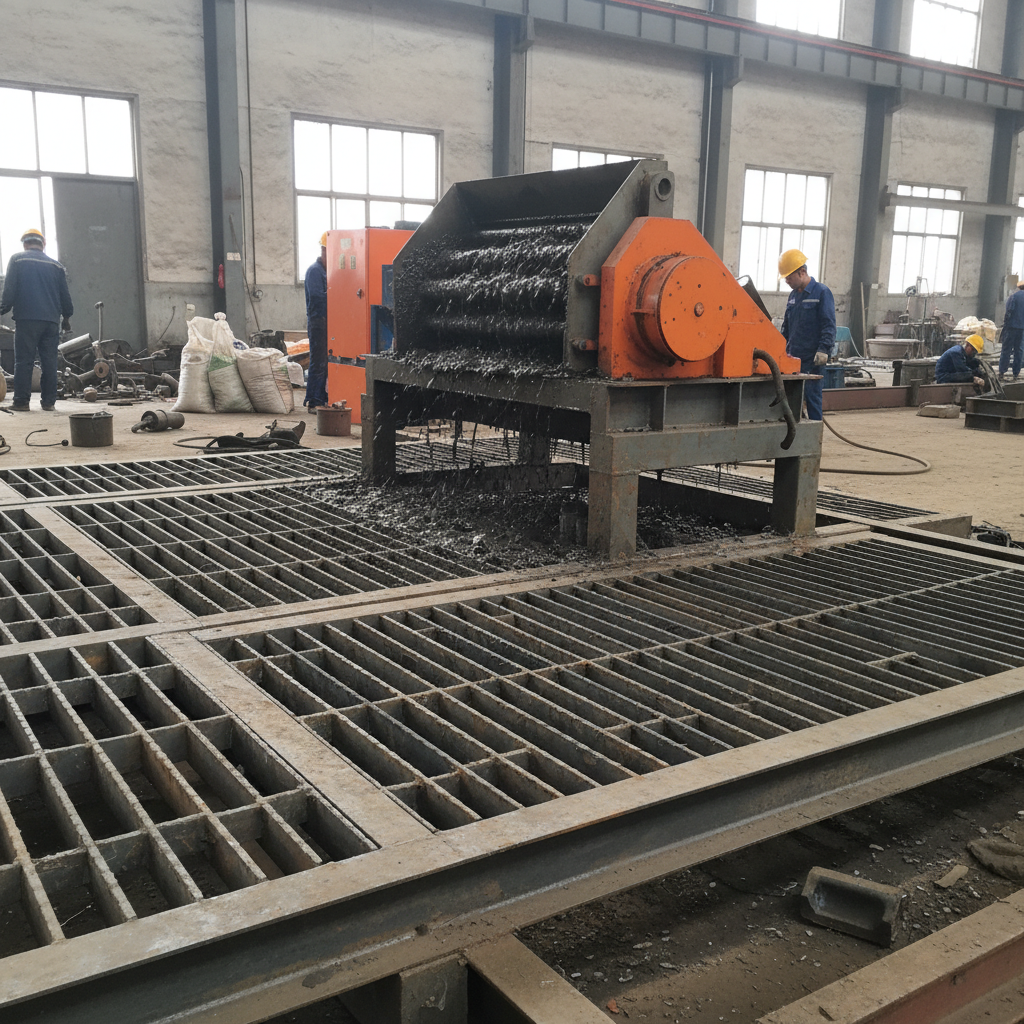
Understanding the steel grating price per square meter is critical for project managers and procurement specialists in the metal products and wire mesh industry. Whether for industrial flooring, offshore platforms, or drainage systems, the cost of steel grating is not a fixed number but a result of several engineering variables and raw material fluctuations.
The primary challenge for buyers is that a low quote per square meter often masks deficiencies in load-bearing capacity or corrosion resistance. Balancing the initial procurement cost with the long-term lifecycle value requires a deep understanding of how material grade, bearing bar dimensions, and surface treatments influence the final invoice.
This guide provides a comprehensive breakdown of the cost drivers for steel grating, an analysis of how technical specifications shift pricing, and a practical framework for evaluating supplier quotes to ensure operational safety and budget efficiency.

Primary Cost Components of Steel Grating

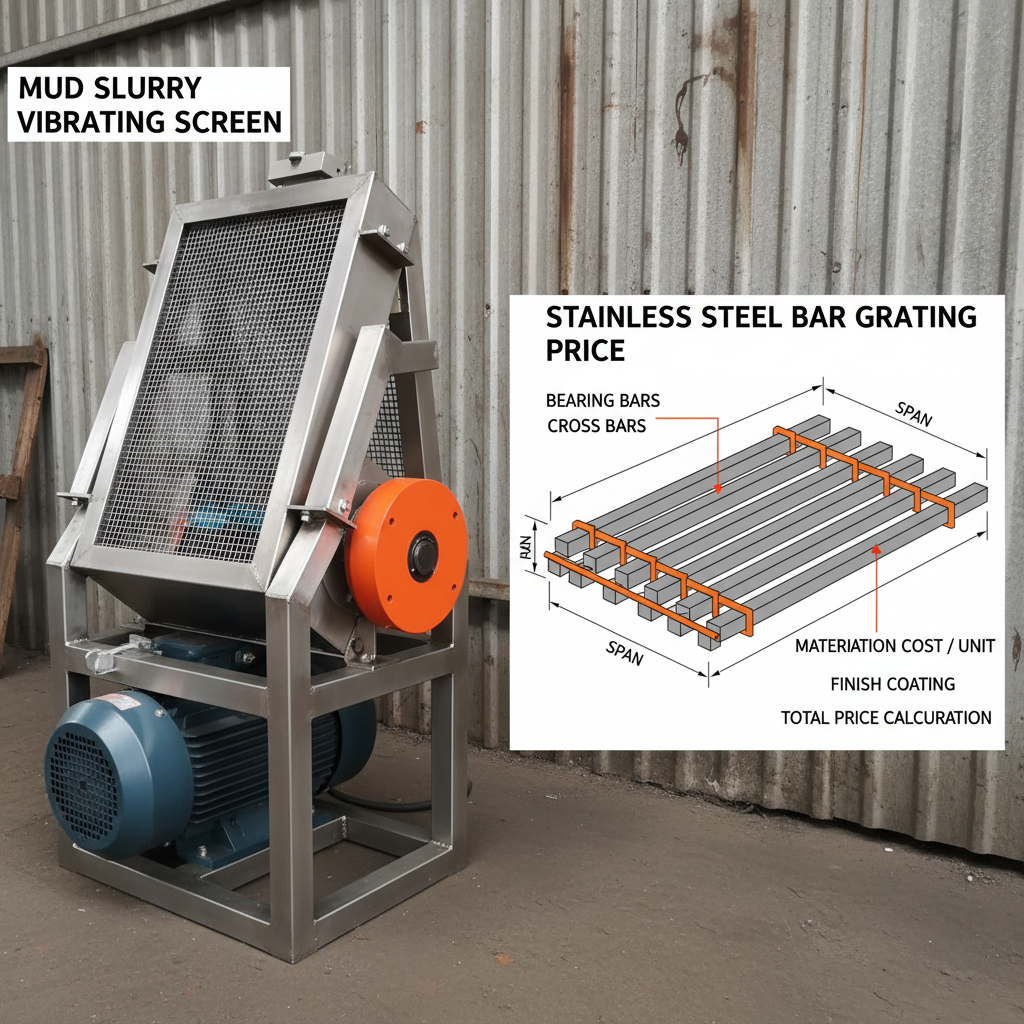
The steel grating price per square meter is primarily driven by the volume of raw steel used and the complexity of the fabrication process. The most significant factor is the weight of the grating; since steel is traded by weight, a heavier grating design—necessary for higher load capacities—directly increases the cost per square meter. This includes the dimensions of the bearing bars (the load-bearing elements) and the cross bars (which provide stability).
Beyond material weight, fabrication labor plays a role. Processes such as precision cutting, welding of the cross bars, and edge banding add to the production cost. For specialized applications, such as the high-precision mesh used in petroleum or coating industries, the tighter tolerances required for manufacturing further elevate the unit price.
Influence of Material Grade on Square Meter Pricing
Material selection is perhaps the most volatile variable in determining the steel grating price per square meter. Standard carbon steel is the most economical choice, suitable for dry, indoor environments. However, in corrosive settings—such as offshore helipads or chemical plants—stainless steel (e.g., 316L) is mandatory. Stainless steel can cost significantly more than carbon steel due to the addition of chromium and nickel, which provide the necessary oxidation resistance.
The choice of material must align with the environmental exposure. For instance, using carbon steel in a saltwater environment leads to rapid degradation, resulting in higher replacement costs that far outweigh the initial savings. Therefore, the "cost" should be viewed through the lens of the Total Cost of Ownership (TCO), where higher-grade materials reduce maintenance frequency and extend the asset's lifespan.
Impact of Load Capacity and Mesh Density
Engineering requirements for load-bearing capacity directly dictate the thickness and spacing of the grating, which in turn affects the price. A "heavy-duty" grating requires thicker bearing bars and a tighter mesh pitch (smaller gaps between bars) to prevent deflection under heavy machinery or vehicle traffic. As the steel density per square meter increases to meet these safety standards, the price rises proportionally.
Conversely, light-duty gratings used for pedestrian walkways utilize thinner bars and wider spacing, reducing the total weight of the product. When requesting quotes, buyers must provide clear load specifications (kN/m2) to avoid paying for over-engineered products or, more dangerously, purchasing under-specified gratings that fail to meet safety regulations.
Relative Cost Impact of Surface Treatments
Surface treatment is a critical value-add that protects the steel from environmental decay. The most common treatments include hot-dip galvanizing, electroplating, and PVC coating. Hot-dip galvanizing is the industry standard for outdoor use, providing a thick zinc layer that prevents rust. PVC coating, often used in specialized safety netting or specialized gratings, adds an extra layer of chemical resistance and visibility.
The following illustrative data represents the relative cost increase associated with different surface treatments compared to raw carbon steel. While these are conceptual normalized scores rather than fixed prices, they demonstrate how the treatment choice can significantly shift the final steel grating price per square meter.
Hidden Costs in Procurement and Installation
The quoted price per square meter is rarely the final project cost. Logistics and shipping represent a significant "hidden" expense, as steel grating is heavy and bulky. Freight costs can vary wildly depending on the distance from the manufacturer and the mode of transport. Additionally, custom-cut panels for non-standard openings incur higher fabrication costs than standard sheet sizes.
Installation labor and hardware—such as grating clips, fasteners, and support angles—must also be budgeted. In high-safety environments, the cost of verifying compliance with standards (such as CAP 437 for helipads) through testing and certification adds an administrative cost to the procurement process that is not reflected in the raw material price.
Common Pricing Pitfalls for Industrial Buyers
A frequent mistake in the procurement of steel grating is focusing solely on the lowest price per square meter without verifying the "weight per square meter." Some suppliers may offer a lower price by using thinner bars or wider spacing, which results in a product that does not meet the required structural integrity. This "cheap" option often leads to premature failure and costly emergency replacements.
Another pitfall is ignoring the quality of the galvanizing process. Poorly galvanized steel can develop "white rust" or peel away, exposing the core steel to corrosion. Buyers should insist on galvanized detectors or tensile testing reports to ensure the coating thickness is consistent and the welding is sound, as the cost of remedial treatment on-site is exponentially higher than paying for quality at the factory.
Decision Framework for Optimal Cost-Value Ratio
To achieve the best balance between cost and performance, buyers should use a structured evaluation matrix. Rather than comparing raw prices, they should compare "Performance-to-Price" ratios. This involves analyzing the expected lifespan of the material in its specific environment versus the initial investment. For example, while 316L stainless steel has a higher initial cost, its nearly zero maintenance requirement in offshore environments makes it the most economical choice over a 20-year period.
| Material Type | Cost Driver | Best Use Case | Lifespan Impact |
|---|---|---|---|
| Carbon Steel | Low (Raw Weight) | Indoor / Dry Areas | Short (if exposed) |
| Galvanized Steel | Medium (Zinc Process) | Outdoor Industrial | Medium-Long |
| Stainless Steel | High (Alloy Content) | Marine / Chemical | Very Long |
| PVC Coated | Medium-High (Layering) | Safety / Corrosive | Long (Protective) |
| Custom Heavy Duty | High (Steel Density) | Vehicle Traffic | Long (Structural) |
| Standard Light Duty | Low (Steel Density) | Pedestrian Walk | Medium |
By utilizing this framework, procurement teams can justify a higher initial steel grating price per square meter to stakeholders by demonstrating the reduction in operational risk and future maintenance expenditures.
Frequently Asked Questions
The most significant factor is the total weight of steel per square meter, which is determined by the bearing bar size and the mesh density. Since steel is priced by weight, any increase in structural thickness to support higher loads directly increases the cost.
Yes, generally. Stainless steel (like 316L) contains expensive alloys like nickel and chromium. However, it eliminates the need for repeated galvanizing or painting, making it more cost-effective over a long project lifecycle in corrosive environments.
Higher mesh density means more bearing bars per square meter. This increases the total amount of steel used and the number of welds required, both of which drive up the steel grating price per square meter.
Yes. Standard sizes allow manufacturers to optimize production and reduce scrap. Custom dimensions require individual measuring, cutting, and specialized handling, which increases the fabrication cost per unit.
Always check the specific dimensions of the bearing bars and the weight per square meter. If the price is significantly lower than market average, the supplier may be reducing the steel thickness or using a lower grade of material.
It adds a moderate cost compared to raw steel, but it is often necessary for specific safety regulations or chemical resistance. It provides an additional protective film that can reduce the need for subsequent corrosion treatments.
Conclusion
The steel grating price per square meter is a complex calculation involving material grade, structural weight, surface treatment, and logistics. The most successful procurement strategies shift the focus from the initial purchase price to the long-term cost of ownership, ensuring that the selected specifications meet both safety requirements and environmental demands without over-spending on unnecessary capacity.
For professional guidance on selecting the right grating specifications and obtaining accurate pricing based on your project's load requirements, you can review technical data and available solutions at www.cndowelltech.com.