When evaluating industrial flooring solutions, the ss grating price often becomes a primary focal point for procurement managers. However, the initial cost of stainless steel grating is rarely a standalone figure; it is a variable determined by the intersection of material grade, load-bearing requirements, and the specific environmental stressors of the installation site.
Understanding why stainless steel commands a premium over carbon steel is essential for calculating the Total Cost of Ownership (TCO). While the upfront investment is higher, the reduction in maintenance frequency and the elimination of recurrent corrosion-related replacements often make it the more economical choice for high-salinity or chemical-heavy environments.
This guide analyzes the technical drivers behind pricing volatility and provides a framework for selecting the optimal grating specifications to balance structural integrity with budgetary constraints.

Analyzing the Core Components of Stainless Steel Grating Costs

The pricing of stainless steel grating is not static but is instead a result of several compounding technical variables. The most significant driver is the alloy composition; for instance, Grade 316 stainless steel, which contains molybdenum, is priced higher than Grade 304 due to its superior resistance to chlorides and marine environments.
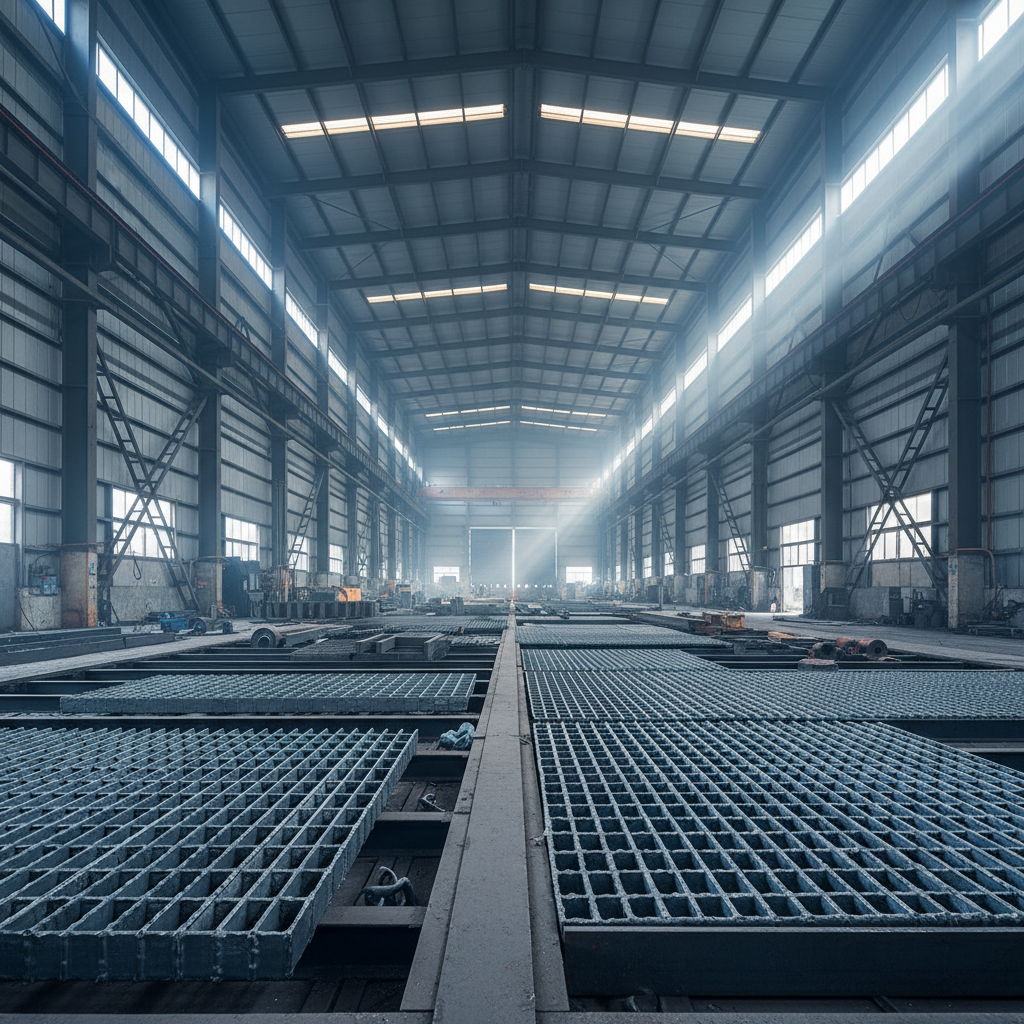
Beyond the raw material, the manufacturing process plays a critical role. Welded steel gratings are produced under high heat and pressure to create durable joints between bearing bars and cross bars. The complexity of the weld, the precision of the bar spacing, and the choice between smooth or serrated surfaces further influence the final cost.
Additionally, surface treatments—such as pickling or polishing—add value by enhancing the passive oxide layer of the steel, which is essential for maintaining hygiene in pharmaceutical or food-processing plants.
Technical Advantages that Justify Premium Material Investment
Investing in stainless steel grating provides a structural resilience that carbon steel cannot match without expensive, high-maintenance coatings. The primary technical value lies in its inherent corrosion resistance, which prevents the degradation of load-bearing capacity over time.
From a safety perspective, the availability of serrated bearing bars significantly reduces slip risks in oily or wet environments, a critical requirement for platforms and catwalks. This functional superiority reduces the risk of workplace accidents and associated liability costs.
Furthermore, the high strength-to-weight ratio of precision-welded stainless steel allows for the design of lighter structures that do not compromise on load capacity, potentially reducing the costs of the supporting secondary steelwork.
Critical Industrial Applications for High-Corrosion Environments
Stainless steel grating is indispensable in sectors where atmospheric or chemical aggression is constant. In water treatment plants and chemical processing facilities, the exposure to acids and alkaline solutions would rapidly compromise galvanized steel, leading to structural instability.
In the oil and gas sector, stainless gratings are frequently utilized for offshore platforms and power station catwalks. These areas require materials that can withstand constant salt spray and extreme temperature fluctuations without losing their structural integrity or requiring frequent repainting.
Other specialized applications include clean-area panels in biotech labs, food-grade flooring in breweries, and decorative yet functional architectural elements like sun visors or fountain panels, where aesthetics and hygiene are equally paramount.
Evaluating Performance Metrics and Load Capacity Benchmarks
When analyzing the efficiency of different grating specifications, it is important to compare the load-bearing capacity against the material weight. A higher density of bearing bars increases strength but also increases the total weight and the final price.
The following metrics illustrate the relative performance of standard carbon steel versus high-grade stainless steel grating when subjected to equivalent industrial stress loads over a simulated lifecycle.
ss grating price Performance Metrics
As shown in the benchmark data, while the initial cost is higher, the retention of structural integrity (represented by the 'With ss grating price' dataset) remains significantly higher over time in corrosive environments compared to standard industry benchmarks.
Strategic Procurement Considerations for Industrial Flooring Projects
Successful procurement of stainless steel grating requires a balance between technical over-specification and under-performance. The first step is a rigorous site audit to determine the exact chemical exposure and the maximum expected live load.
Procurement officers should focus on the "Bearing Bar" and "Cross Bar" specifications. For instance, a pitch of 30mm vs 40mm can significantly alter the load capacity and, consequently, the cost. Utilizing a manufacturer with integrated testing capabilities—such as tensile and bending testing—ensures that the delivered product matches the engineered requirements.
It is also advisable to consider the lead times for stainless steel, which can be more volatile than carbon steel. Planning for bulk orders of standard sizes (like those in the WSG series) can often reduce the per-unit price through production efficiency.
Future Material Trends and Sustainable Manufacturing Evolutions
The industrial grating market is shifting toward higher sustainability. Stainless steel is inherently 100% recyclable, making it a preferred choice for companies pursuing LEED certification or reducing their carbon footprint in infrastructure projects.
Innovations in welding technology are likely to further reduce joint failure rates, potentially allowing for slightly lighter bearing bars without sacrificing safety. We may see a rise in hybrid material applications where stainless steel is used only in the most critical "splash zones," while treated carbon steel is used in drier areas to optimize the budget.
Additionally, the integration of automated precision cutting and robotic welding is expected to stabilize pricing by reducing manual labor costs and minimizing material waste during the fabrication process.
Comparative Framework for Stainless Steel vs Carbon Steel Grating
To make an informed decision, stakeholders must compare the materials across multiple dimensions, including initial cost, durability, and maintenance. The choice often depends on whether the priority is short-term capital expenditure (CAPEX) or long-term operational expenditure (OPEX).
The following table provides a comparative overview of different grating solutions based on operational conditions and performance outcomes.
| Solution Type | Primary Use Case | Maintenance Need | ROI Horizon |
|---|---|---|---|
| SS 304 Grating | Food & Beverage Plants | Low (Cleaning only) | Medium Term |
| SS 316 Grating | Marine & Chemical Hubs | Very Low | Long Term |
| Galvanized Steel | General Industrial Warehouses | Moderate (Re-coating) | Short Term |
| Serrated SS Grating | Oily Platforms/Ramps | Low | Medium Term |
| Plain Carbon Steel | Indoor Temporary Floors | High (Painting) | Immediate |
| Powder Coated Steel | Architectural Walkways | Moderate | Medium Term |
In conclusion, while galvanized steel offers the lowest entry price, stainless steel provides the highest reliability. For those requiring specialized specifications, reviewing the capabilities at www.cndowelltech.com can provide further technical clarity on material selection.
Frequently Asked Questions
Conclusion
Ultimately, the perceived cost of stainless steel grating should be viewed as a long-term investment in structural safety and operational efficiency. By shifting the focus from initial procurement costs to the total lifecycle value, it becomes clear that the superior corrosion resistance and reduced maintenance of stainless steel offer a significant economic advantage in demanding industrial settings.
For engineers and procurement specialists seeking to optimize their flooring specifications, the integration of precise material grades and load-calculated dimensions is key. Detailed product ranges and manufacturing capabilities can be further explored through www.cndowelltech.com.