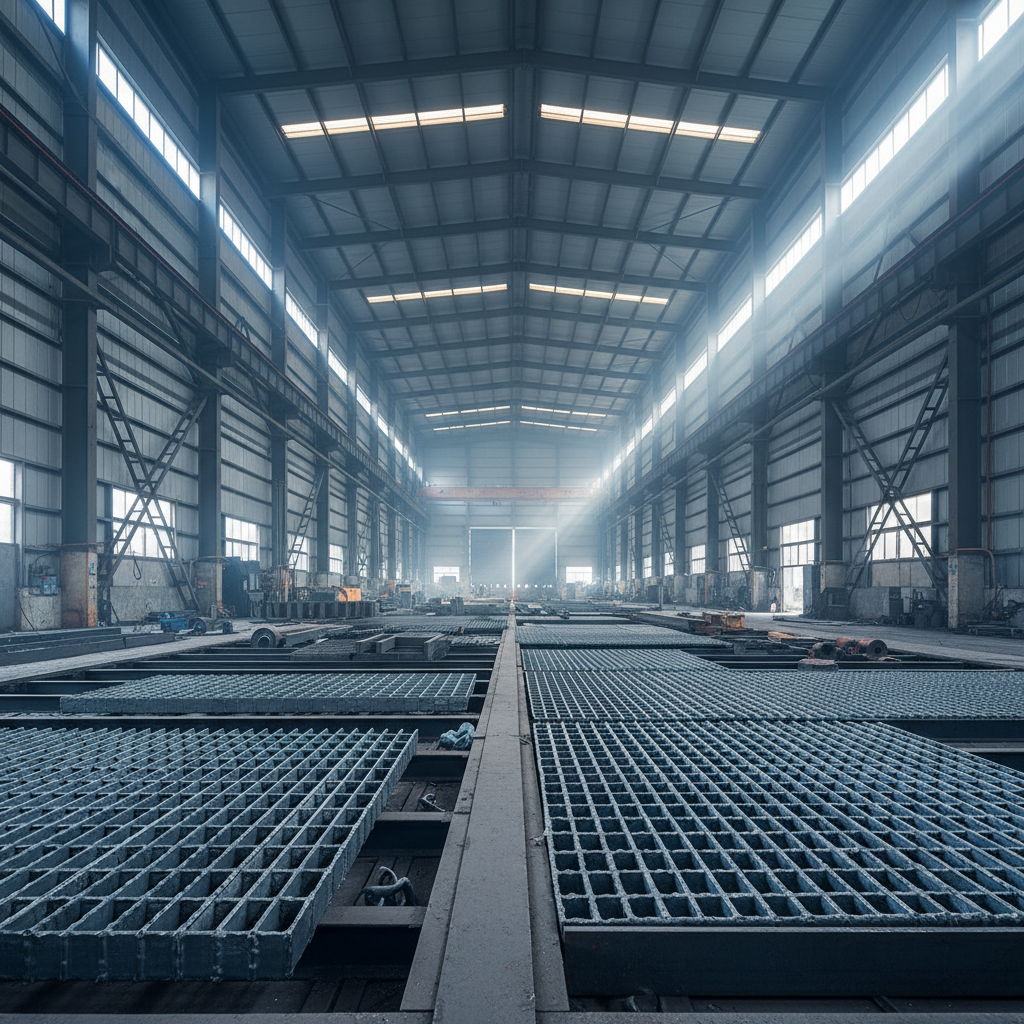
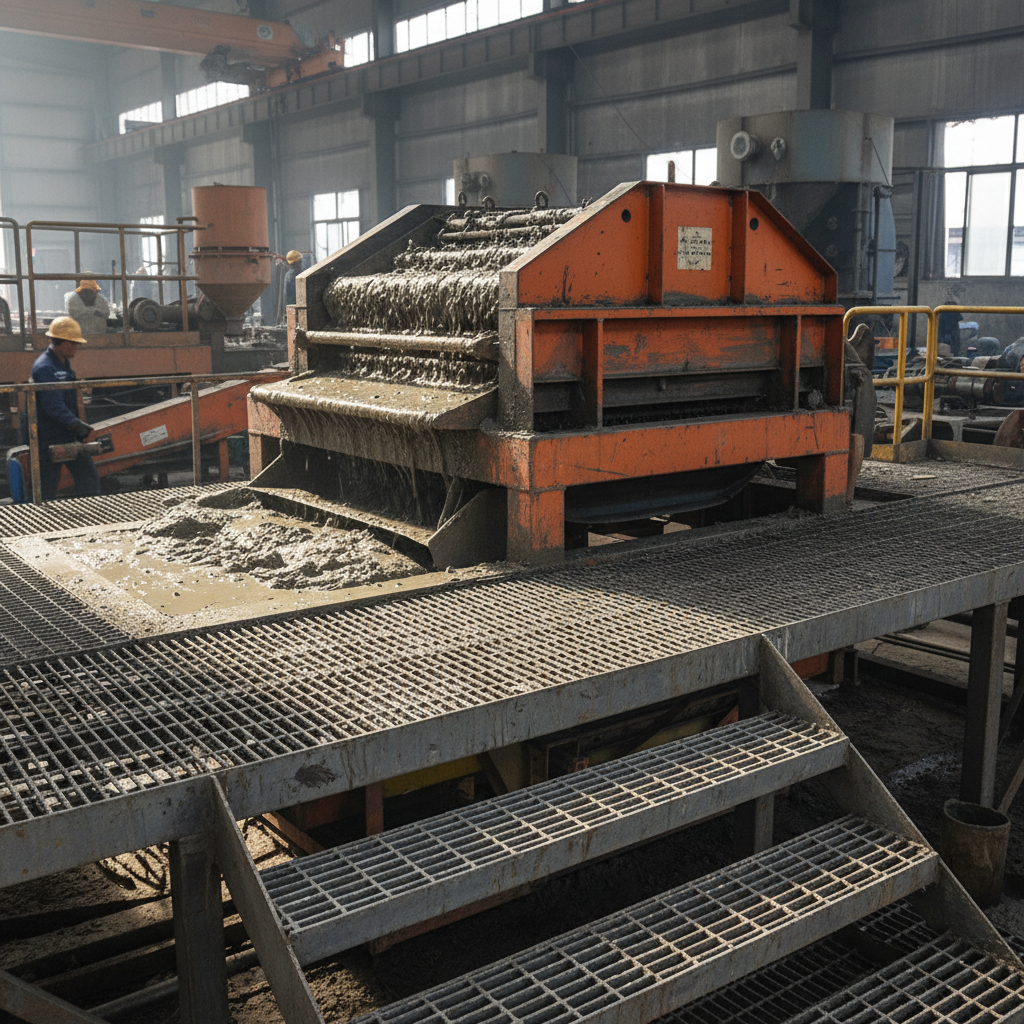
Selecting the right industrial flooring or decking often comes down to a critical trade-off between load-bearing capacity and environmental resistance. In heavy-duty infrastructure, the choice of surfacing material directly impacts the long-term safety and maintenance costs of the facility.
While many modern options exist, the technical demand for high impact resistance and fatigue strength has led to a resurgence in specialized riveting techniques. Understanding the structural mechanics of these systems is essential for engineers managing bridge decks, industrial walkways, and chemical processing plants.
Whether you are auditing current safety standards or sourcing materials for a new build, partnering with an experienced grating company ensures that the specifications align with actual site loads and corrosive variables.

The Mechanics of Riveted Bar Grating

Riveted grating, often referred to as riveted bar grating, is engineered through a specific cold-press riveting process. This method involves securing straight bearing bars to crimped rectangular flat bars, creating a mechanical bond that is fundamentally different from welded alternatives.
This traditional form of grating is highly valued because it offers superior resistance to impact and repetitive loads. By avoiding the heat-affected zones associated with welding, riveted products maintain the original metallurgical properties of the steel, making them ideal for applications where fatigue resistance is a primary concern.
Structural Integration and Design Logic
The design logic of riveted systems focuses on load distribution. The interaction between the bearing bars—which carry the primary load—and the cross bars ensures lateral stability. Because the riveting process is mechanical, the grating can accommodate slight movements and vibrations without the risk of weld fracture, which is a common failure point in high-vibration industrial environments.
Technical specifications typically vary based on the required load capacity. For instance, the RG18 and RG12 series offer different bearing bar dimensions and spacing to match specific weight requirements. A smaller spacing generally increases the load capacity and provides a safer surface for pedestrian traffic, while larger spacings are used where drainage is the priority.
Surface treatment is the final step in the design logic. Depending on the environment, gratings are either galvanized, painted, or left with a mill finish. For those operating in wet or chemical-heavy zones, hot-dip galvanizing is the standard to prevent oxidation and extend the service life of the infrastructure.
Material Suitability for Harsh Environments
Material selection is dictated by the chemical exposure and atmospheric conditions of the installation site. Carbon steel is the most common choice for general industrial use due to its balance of cost and strength. However, in environments where acid or alkali exposure is frequent, specialized alloys are required to prevent rapid degradation.
The mechanical superiority of riveted grating lies in its ability to withstand repetitive fatigue loads and extreme impact without the structural brittleness often introduced by high-heat welding processes.
Stainless steel and aluminum provide alternatives for specific needs. Aluminum riveted grating is particularly useful where weight reduction is critical without sacrificing too much structural integrity. These materials ensure that the grating remains 100% recyclable while resisting the harsh effects of corrosion, thereby reducing the total cost of ownership over several decades.
Evaluating Performance Indices
When comparing grating systems, engineers look at a set of performance indices including load-bearing capacity, chemical stability, and anti-slip efficiency. Riveted systems typically score higher in impact resistance compared to standard welded grids.
The following index illustrates the relative performance of different grating configurations based on common industrial requirements. This qualitative assessment helps in identifying which material and riveting style best fits a specific operational need.
Figure 2. Material Performance Index Comparison
Operational Scenarios and Applications
In bridge construction, riveted steel grating is frequently employed as heavy-duty bridge decking. Its ability to handle the dynamic loads of vehicular traffic while allowing water and debris to pass through makes it an ideal choice for drainage and safety. Similarly, in industrial plants, it serves as the primary material for trench covers and drainage lids where frequent access and high strength are required.
Beyond bridges, these systems are used for stair treads and walkways in refineries. In such settings, the anti-slip serrated surface is critical for worker safety, especially in the presence of oils or moisture. The flexibility of the riveted joint helps the structure absorb the vibration of heavy machinery without compromising the integrity of the floor.
Evolution of Industrial Surface Standards
The industry is shifting toward more sustainable and longer-lasting materials. There is a growing emphasis on the total lifecycle of the product rather than just the initial installation cost. This has led to a higher adoption of high-grade galvanized finishes and recyclable aluminum components.
Modern manufacturing, as seen with companies like Hangshun Wire Mesh Manufacture Co., Ltd, integrates advanced testing instruments—such as tensile and bending machines—to ensure that every batch meets international quality standards. This rigorous testing prevents premature failure in the field, which is vital for critical infrastructure.
Furthermore, the demand for customized specifications is increasing. Buyers no longer settle for "standard" sizes but require precise bearing bar spacing and cross-bar dimensions to optimize the weight-to-strength ratio of their platforms.
Selection Framework for Grating Systems
Choosing the right grating requires a structured evaluation of the environment and the expected load. A common mistake is over-specifying the material, which leads to unnecessary costs, or under-specifying, which results in safety hazards and frequent replacements.
Engineers should evaluate the frequency of repetitive loads and the specific types of chemical exposure the surface will face. For example, a bridge decking application requires a different bearing bar thickness than a simple interior walkway.
The following table provides a conceptual framework for selecting between different riveted grating specifications based on typical industrial requirements.
| Application Scenario | Recommended Material | Key Specification Factor | Primary Requirement |
|---|---|---|---|
| Heavy Duty Bridge Deck | Galvanized Carbon Steel | Thick Bearing Bar | Impact Resistance |
| Chemical Walkway | Stainless Steel | Acid-Resistant Finish | Chemical Stability |
| Lightweight Platform | Aluminum Alloy | Reduced Weight | Ease of Installation |
| Industrial Drainage | Carbon Steel | Wide Spacing | Flow Efficiency |
| Safety Stair Treads | Serrated Steel | Surface Texture | Anti-Slip Grip |
| General Floor Cover | Painted Steel | Standard RG12/RG18 | Cost-Effectiveness |
Questions & Answers
The primary difference lies in the joining method. Welded grating uses heat to fuse bars together, which can create brittle points. Riveted grating uses a cold-press mechanical riveting process to secure straight bearing bars to crimped cross bars. This results in higher impact resistance and better fatigue strength, as the metal does not undergo thermal stress during production, making it more suitable for high-vibration or heavy-load bridge decking.
For highly corrosive environments, stainless steel and aluminum are the best choices due to their inherent resistance to oxidation. For carbon steel options, hot-dip galvanizing is essential as it provides a protective zinc layer that prevents rust. The choice depends on the specific chemicals present; stainless steel is typically preferred for acid-heavy environments, while galvanized steel is sufficient for general outdoor exposure.
The choice depends on the bearing bar spacing and the required load capacity. RG18 and RG12 represent different dimensional standards for bearing bars and cross bars. Generally, you should analyze the maximum expected weight per square meter and the frequency of loads. If the application involves heavy vehicular traffic, a specification with thicker bearing bars and tighter spacing is necessary to prevent deflection and ensure safety.
Yes, riveted grating is excellent for pedestrian safety, provided the correct surface type is selected. For areas prone to moisture, oil, or ice, a serrated surface is recommended to provide maximum grip and prevent slips. Additionally, the structural stability of the riveted joint ensures that the surface does not warp or shift over time, providing a consistent and secure walking platform.
The lifespan varies based on the environment, but properly hot-dip galvanized riveted grating can last several decades. Because it is 100% recyclable and resistant to rust, it reduces the need for frequent replacements. Regular inspections for coating wear are recommended, especially in salt-heavy coastal areas, but the mechanical nature of the rivets ensures the structural integrity remains intact long after the initial installation.
Absolutely. Riveted grating is widely used as trench and drainage covers because it combines high load capacity with an open structure that allows for efficient water drainage. Its resistance to impact makes it ideal for areas where the covers might be subjected to occasional heavy loads or debris, and the availability of different material grades allows it to be tailored to the specific chemistry of the drainage system.
Final Thoughts
The selection of an industrial grating system is not merely a procurement task but a critical engineering decision. By prioritizing mechanical riveting over welding for high-impact areas, facility managers can significantly reduce fatigue failure and extend the operational life of their infrastructure.
Ultimately, the synergy between material science—ranging from carbon steel to aluminum—and precise structural specifications ensures a safe, durable, and compliant environment. Investing in high-quality, tested gratings is the most effective way to mitigate long-term risk and maintenance overhead.