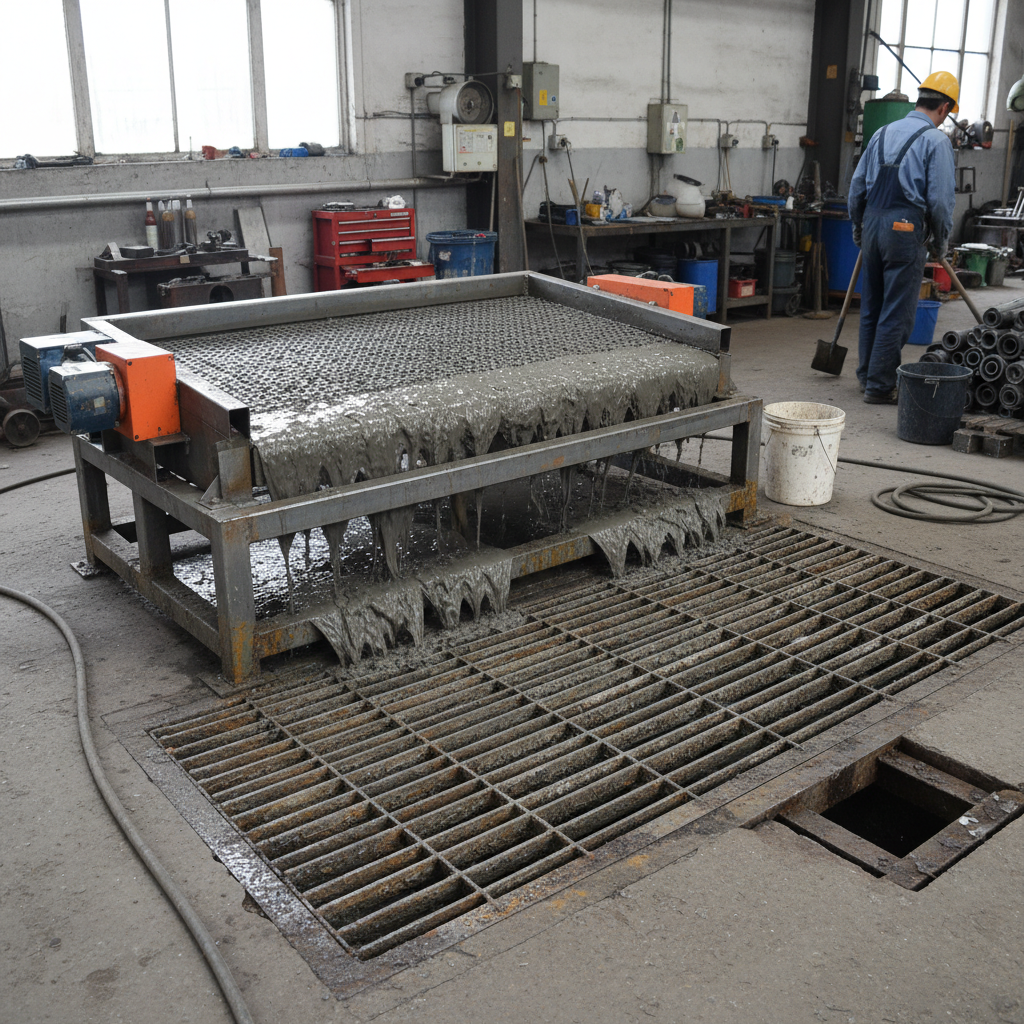
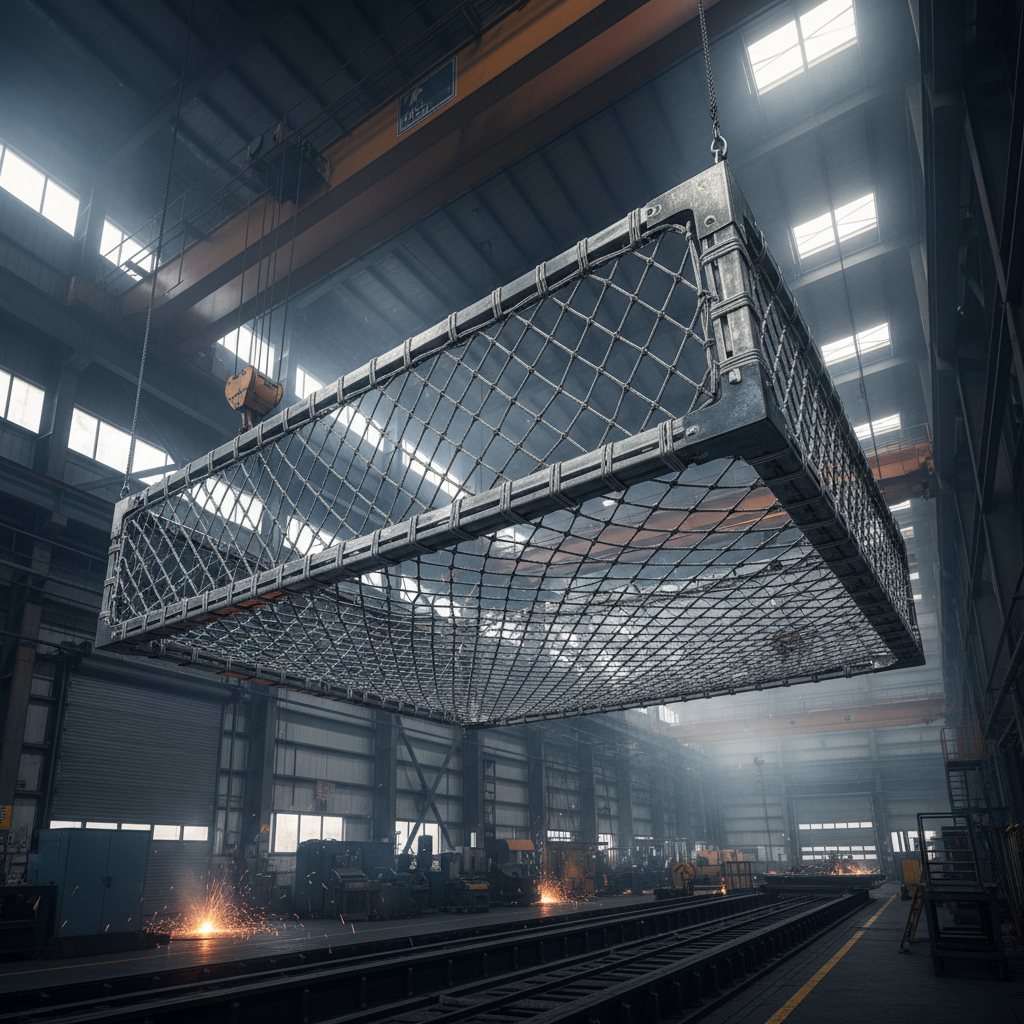
Carbon steel grating is a foundational element in modern infrastructure, offering a robust and versatile solution for a wide range of applications. From industrial flooring and walkways to drainage systems and security barriers, its strength, durability, and cost-effectiveness make it a preferred choice for engineers and construction professionals globally. Understanding the properties and applications of carbon steel grating is critical for ensuring safety, efficiency, and longevity in countless projects.
The global demand for carbon steel grating is intrinsically linked to industrial growth, infrastructure development, and safety regulations. Regions experiencing rapid urbanization and industrialization, such as Asia-Pacific and emerging economies, represent significant growth markets. According to industry reports, the global steel grating market size was valued at USD 4.2 billion in 2023 and is projected to reach USD 5.8 billion by 2032, growing at a CAGR of 3.6% from 2024 to 2032. This growth underscores the importance of this material in supporting expanding economies.
A key challenge addressed by carbon steel grating is the need for safe and reliable walking surfaces in hazardous environments. Its open grid design allows for the passage of liquids, debris, and light, reducing slip hazards and improving visibility. Furthermore, the inherent strength of carbon steel contributes to structural integrity and load-bearing capacity, making it a vital component in various industrial and commercial settings.
Introduction to carbon steel grating
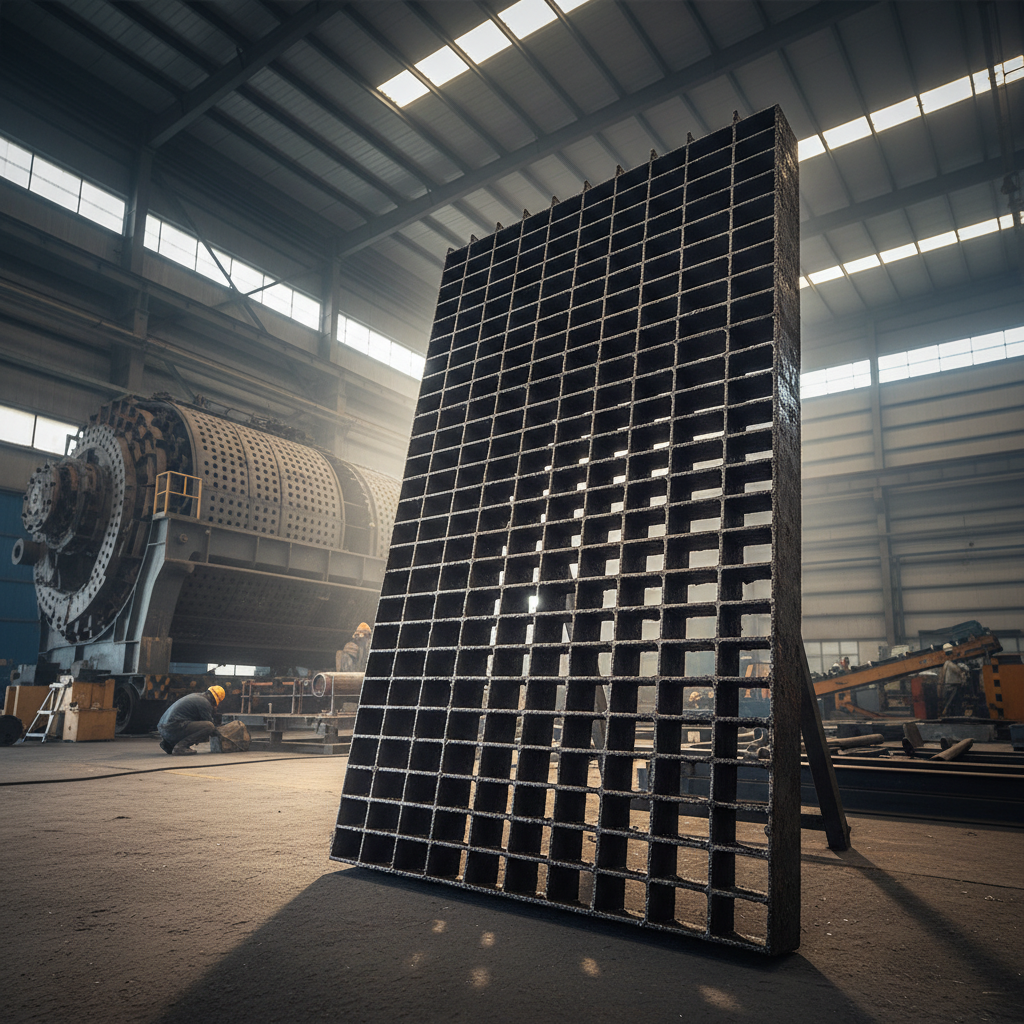
carbon steel grating is characterized by its open grid design, which facilitates efficient drainage and ventilation. This feature is particularly advantageous in environments prone to wet conditions or the accumulation of debris, minimizing slip and fall hazards and reducing the risk of corrosion. The inherent strength and durability of carbon steel ensure long-lasting performance even under demanding conditions.
The versatility of carbon steel grating extends beyond its structural applications. It can be customized with various surface treatments, such as galvanization or powder coating, to enhance corrosion resistance and aesthetic appeal. This adaptability makes it suitable for a diverse range of projects, from industrial facilities and wastewater treatment plants to architectural features and public spaces.
Defining carbon steel grating
Carbon steel grating is a structural component fabricated from interlaced bars or rods of carbon steel, forming an open grid pattern. This construction method creates a high strength-to-weight ratio, making it an efficient and cost-effective material for a variety of load-bearing applications. The carbon steel used typically contains a low percentage of carbon, offering a balance of strength, weldability, and affordability.
Unlike solid flooring or platforms, the open design of carbon steel grating allows for the passage of light, air, and fluids, making it ideal for applications where ventilation, drainage, or visibility are crucial. It’s commonly used as flooring, stair treads, walkways, safety barriers, and drainage covers in industrial, commercial, and infrastructure projects.
Its connection to modern industry lies in its ability to provide safe, durable, and efficient solutions for a wide range of applications. From oil and gas platforms to power plants and manufacturing facilities, carbon steel grating plays a critical role in ensuring operational safety and optimizing workflow processes.
Core Characteristics of carbon steel grating
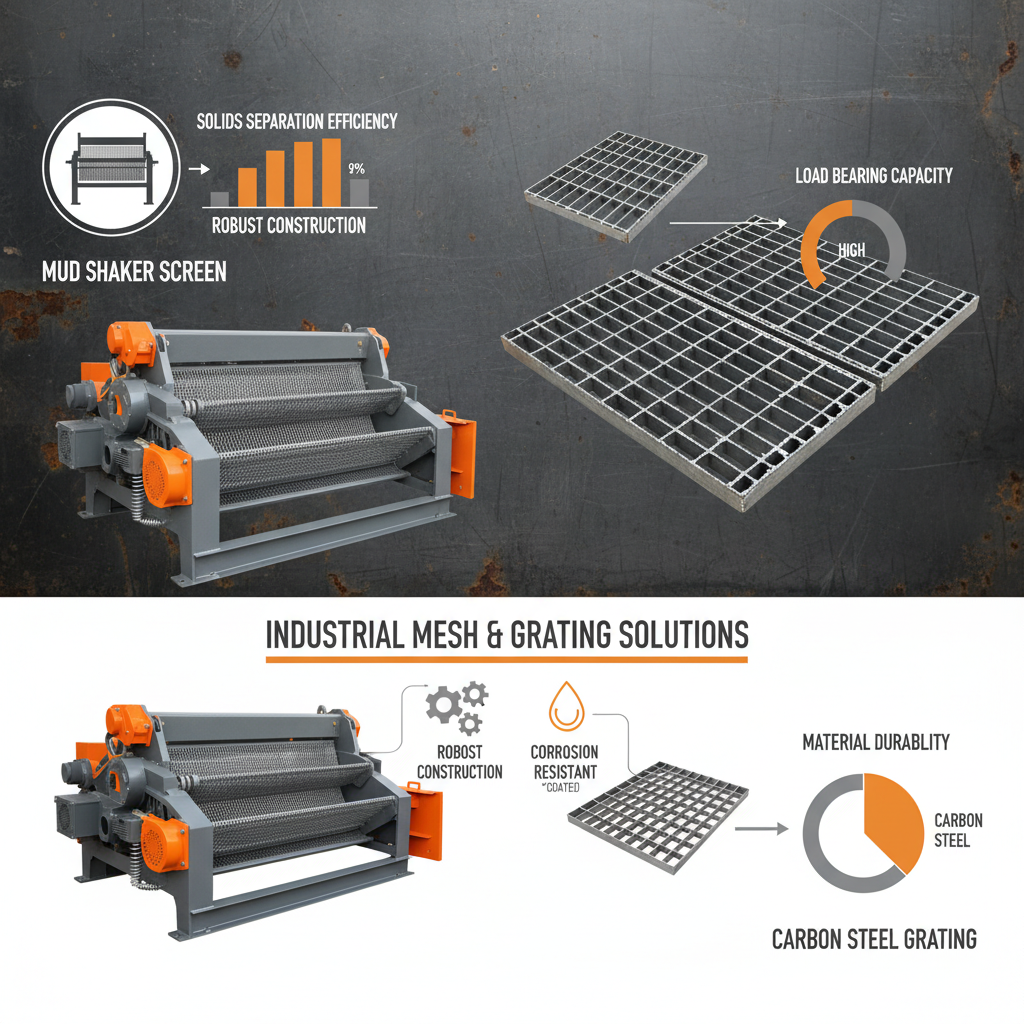
Durability stands as a paramount characteristic of carbon steel grating. The inherent strength of carbon steel, coupled with the robust construction method, ensures it can withstand heavy loads, impacts, and harsh environmental conditions. This longevity translates into reduced maintenance costs and a longer service life, offering a significant return on investment.
Corrosion Resistance, while carbon steel is susceptible to corrosion, various treatments like galvanization, painting, and specialized coatings are frequently applied to significantly enhance its resistance to rust and environmental degradation. Galvanization, in particular, provides a durable zinc coating that acts as a barrier against corrosive elements.
Load Capacity is another crucial characteristic. carbon steel grating is designed to handle substantial loads, making it suitable for heavy industrial applications. Load capacity is determined by factors such as bar spacing, bar thickness, and the overall grating dimensions. Manufacturers provide detailed load tables to ensure proper selection for specific applications.
Key Performance Indicators of carbon steel grating
The primary KPI for carbon steel grating is its structural integrity under load. This is assessed through rigorous testing to determine its load-bearing capacity and deflection characteristics. Another important KPI is its corrosion resistance, measured by salt spray testing and other accelerated corrosion tests.
Further KPIs include its resistance to impact and fatigue, its ability to withstand extreme temperatures, and its compliance with relevant industry standards and safety regulations. The lifespan, ease of installation, and maintenance requirements also contribute to a comprehensive evaluation of its performance.
Performance Comparison of carbon steel grating Manufacturing Methods
Global Applications of carbon steel grating
In the oil and gas industry, carbon steel grating is extensively used for walkways, platforms, and stair treads on offshore platforms and refineries, providing a safe and durable working surface in harsh marine environments. The grating’s open design allows for the drainage of fluids and prevents the buildup of flammable materials.
Wastewater treatment plants utilize carbon steel grating for walkways, drainage covers, and support structures, offering resistance to corrosive chemicals and providing a stable platform for maintenance personnel. The ventilation provided by the grating helps to dissipate odors and gases.
Advantages and Long-Term Value of carbon steel grating
Cost-effectiveness is a significant advantage of carbon steel grating. Compared to other materials like stainless steel or aluminum, carbon steel is generally more affordable, making it an attractive option for large-scale projects. Its relatively low material cost, combined with its durability, results in a lower total cost of ownership.
Sustainability is enhanced through the recyclability of carbon steel. At the end of its service life, carbon steel grating can be readily recycled, reducing waste and conserving natural resources. Furthermore, its long lifespan minimizes the need for frequent replacements, reducing the environmental impact associated with manufacturing and transportation.
Future Trends in carbon steel grating
The integration of smart technologies, such as sensors embedded within the grating structure, is an emerging trend. These sensors can monitor load distribution, detect structural damage, and provide real-time data for predictive maintenance. This proactive approach enhances safety and reduces downtime.
Advancements in coating technologies are driving the development of more durable and corrosion-resistant coatings for carbon steel grating. These coatings extend the lifespan of the grating, reduce maintenance requirements, and improve its performance in harsh environments. Nanomaterials and self-healing coatings are among the innovative solutions being explored.
Increased focus on sustainable manufacturing practices, including the use of recycled carbon steel and the development of more energy-efficient production processes, is gaining momentum. This aligns with the growing demand for environmentally responsible building materials and contributes to a circular economy.
Summary of Challenges and Proposed Solutions in Carbon Steel Grating Application
| Challenge |
Impact Severity (1-10) |
Proposed Solution |
Implementation Cost (USD) |
| Corrosion in Marine Environments |
9 |
Advanced Epoxy Coatings & Galvanization |
15,000 |
| High Maintenance Requirements |
7 |
Self-Cleaning Grating Designs & Durable Coatings |
10,000 |
| Load Distribution Issues |
6 |
Finite Element Analysis (FEA) for Optimized Design |
5,000 |
| Installation Complexity |
5 |
Modular Grating Systems & Simplified Fasteners |
8,000 |
| Safety Concerns (Slip Hazards) |
8 |
Anti-Slip Surface Treatments & Textured Grating |
7,000 |
| Lack of Real-Time Monitoring |
4 |
Integrated Sensor Networks for Structural Health Monitoring |
20,000 |
FAQS
Carbon steel grating is widely used in industrial settings for flooring, walkways, stair treads, and drainage systems. Its open grid design provides excellent ventilation and drainage, while its robust construction offers exceptional load-bearing capacity. It's commonly found in power plants, chemical processing facilities, and oil refineries due to its durability and resistance to harsh environments. The inherent strength also makes it a safe and reliable solution for personnel access and equipment support.
Carbon steel grating is generally more cost-effective than stainless steel grating. However, stainless steel offers superior corrosion resistance, particularly in highly corrosive environments like those exposed to saltwater or harsh chemicals. While carbon steel can be treated with coatings like galvanization to improve corrosion resistance, stainless steel's inherent properties provide a longer-lasting solution without the need for additional maintenance. The choice depends on the specific application and budget considerations.
Carbon steel grating load capacities vary depending on the grating’s design, including the bar spacing, bar thickness, and overall dimensions. Manufacturers provide detailed load tables specifying the allowable load for different grating configurations. These tables typically include both uniformly distributed loads and concentrated loads. Proper selection is crucial to ensure structural integrity and safety.
Common surface treatments for carbon steel grating include galvanization, painting, and powder coating. Galvanization provides a zinc coating that protects against corrosion, while painting and powder coating offer both corrosion resistance and aesthetic appeal. The choice of treatment depends on the environment and the desired level of protection. Epoxy coatings are particularly effective in harsh chemical environments.
Yes, carbon steel grating is suitable for outdoor applications, particularly when properly treated to resist corrosion. Galvanization is a common and effective treatment for outdoor use, providing a protective barrier against the elements. Powder coating also offers good outdoor durability. Regular maintenance, such as re-coating, may be required to maintain long-term protection.
Carbon steel grating must meet relevant safety standards and certifications, such as those established by ASTM International and ISO. These standards address factors like load capacity, slip resistance, and material properties. Manufacturers typically provide documentation verifying compliance with these standards. Compliance ensures the grating is safe for intended applications and meets industry requirements.
Conclusion
Carbon steel grating remains an indispensable material in modern infrastructure, offering a compelling combination of strength, durability, cost-effectiveness, and versatility. Its open grid design, coupled with the robust properties of carbon steel, makes it a preferred choice for a wide range of applications, from industrial flooring and walkways to drainage systems and safety barriers. Its continued relevance is driven by its ability to address critical needs in safety, efficiency, and sustainability.
Looking ahead, innovations in coating technologies, smart monitoring systems, and sustainable manufacturing practices will further enhance the performance and value of carbon steel grating. By embracing these advancements, we can unlock new possibilities for its application and contribute to a more resilient and sustainable built environment. For high-quality carbon steel grating solutions, visit our website today.