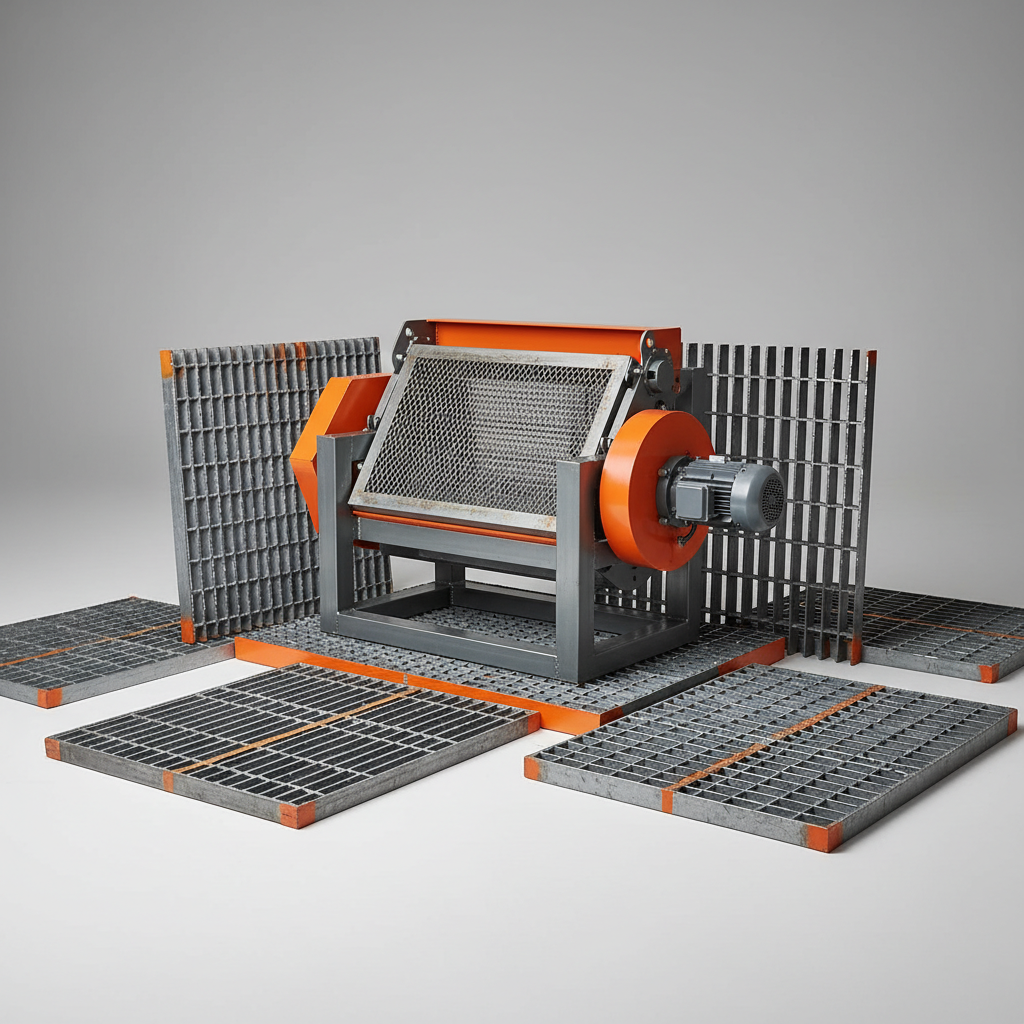
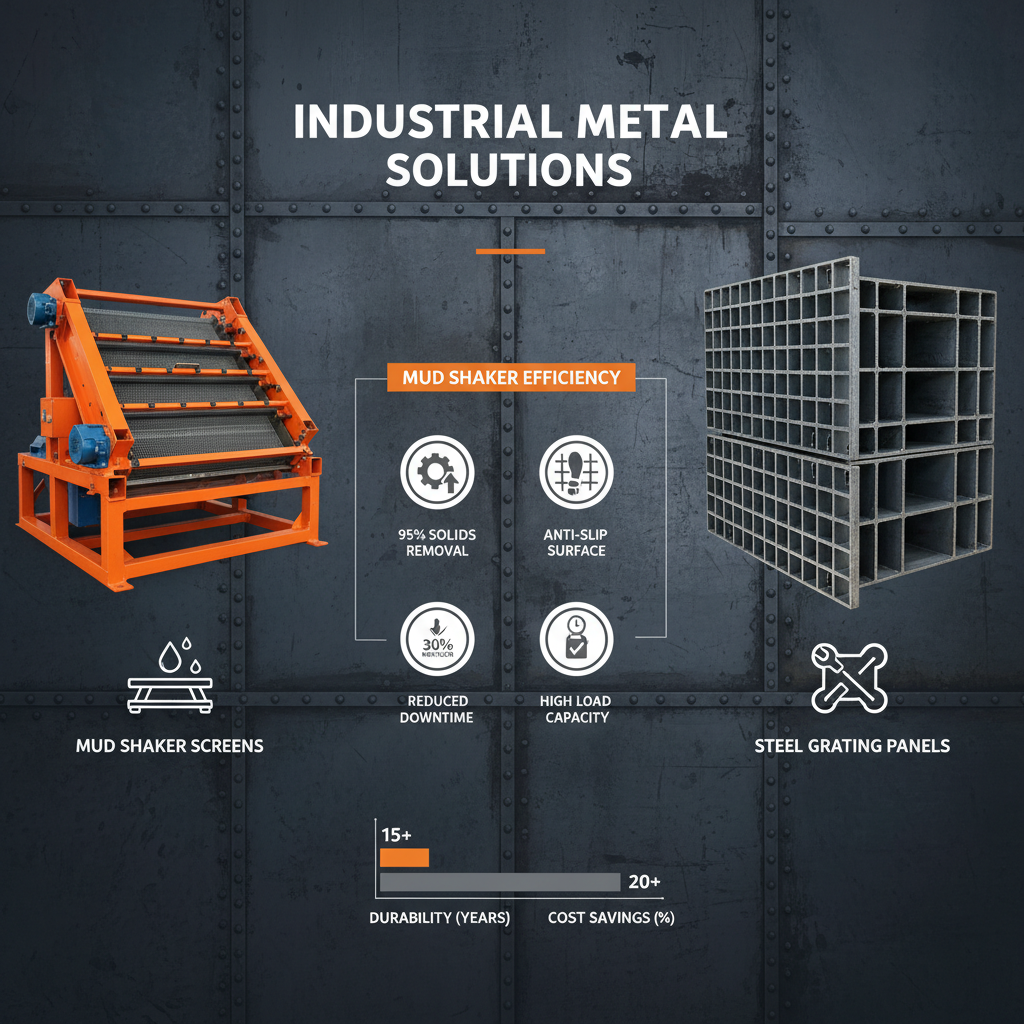
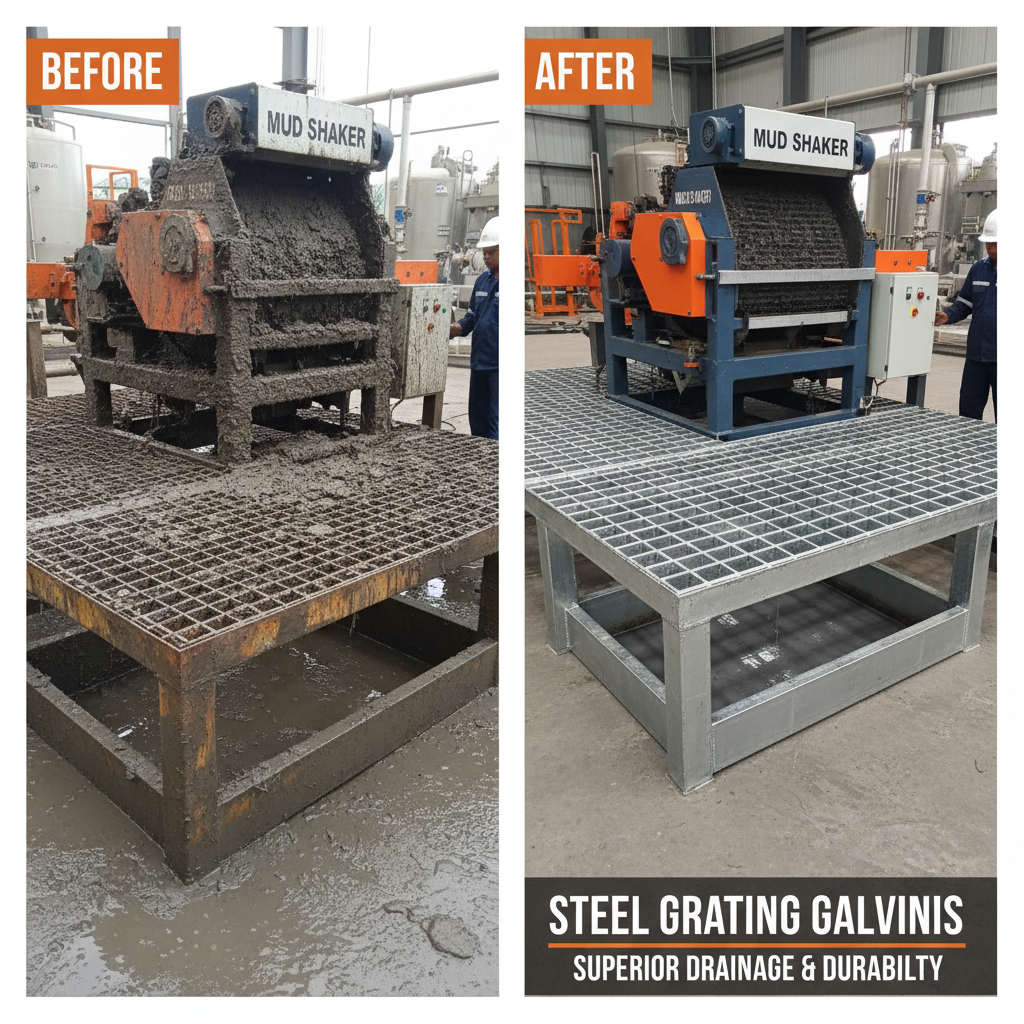
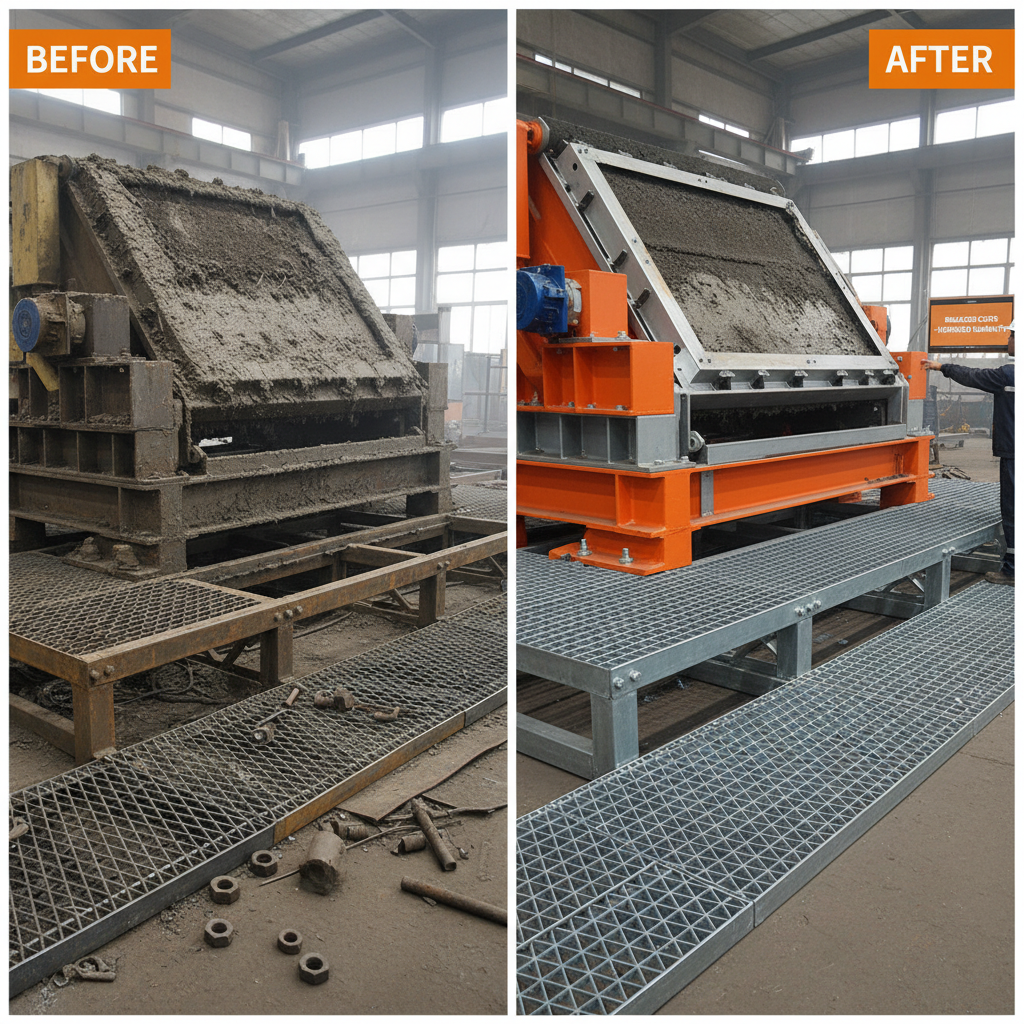
Steel grating panels represent a critical component in modern infrastructure and industrial safety, offering robust and versatile solutions for walking surfaces, drainage, ventilation, and security. Their widespread adoption is driven by a unique combination of strength, durability, and cost-effectiveness, making them indispensable in diverse applications worldwide. Understanding the nuances of steel grating panels is crucial for engineers, architects, and project managers seeking reliable and long-lasting solutions.
Globally, the demand for steel grating panels is steadily increasing, fueled by rapid urbanization, industrial expansion, and a growing emphasis on workplace safety. According to the World Steel Association, global steel demand reached approximately 1.869 billion tonnes in 2022, with significant portions allocated to construction and manufacturing sectors where steel grating panels are extensively used. This rising demand underscores the importance of understanding their specifications, installation procedures, and long-term maintenance requirements.
However, challenges remain in ensuring consistent quality, mitigating corrosion, and optimizing design for specific load-bearing needs. Innovative solutions, such as advanced coatings and optimized welding techniques, are continuously being developed to address these concerns and further enhance the performance and longevity of steel grating panels.
Introduction to Steel Grating Panels
Steel grating panels are a foundational element in countless industrial and commercial settings, providing safe and reliable walking surfaces. They offer exceptional strength-to-weight ratios, making them ideal for areas requiring high load-bearing capacity. The open grid design allows for efficient drainage and ventilation, minimizing safety hazards and promoting a clean working environment.
The versatility of steel grating panels extends beyond simple flooring applications. They are frequently employed in stair treads, platforms, catwalks, and security barriers. Their inherent durability and resistance to wear and tear contribute to a long service life, reducing the need for frequent replacements and minimizing lifecycle costs.
Defining Steel Grating Panels
Steel grating panels are prefabricated structural components typically constructed from interwoven metal bars, forming a grid-like pattern. These bars are commonly made of carbon steel, stainless steel, or aluminum, each offering varying degrees of corrosion resistance and strength. The panels are joined together using welding, press-locking, or other mechanical fastening methods, creating a robust and unified surface.
The precise configuration of the grating – the spacing between the bars (bearing bar spacing and pitch) and the thickness of the materials – is tailored to meet specific load requirements and application demands. Different types of gratings exist, including welded, swaged, and riveted, each possessing unique characteristics and suitability for different environments. This adaptability is critical in solving diverse engineering challenges.
In essence, steel grating panels are engineered solutions addressing the need for strong, open, and durable surfaces in a variety of industrial, commercial, and public spaces, representing a bridge between practical needs and modern material science.
Key Characteristics of Steel Grating Panels
Durability is arguably the most prominent characteristic of steel grating panels. Constructed from high-strength materials, they withstand significant loads, impacts, and environmental stressors without compromising structural integrity. This inherent robustness translates into a longer lifespan and reduced maintenance costs.
Scalability allows for the creation of grating systems tailored to virtually any size or shape. Panels can be easily cut, modified, and assembled to fit complex geometries and irregular spaces, providing a flexible solution for diverse architectural and engineering designs. This customizability is a major advantage over traditional flooring materials.
Cost-efficiency is another significant benefit. While the initial investment may be comparable to other flooring options, the extended lifespan and minimal maintenance requirements of steel grating panels result in lower lifecycle costs. Furthermore, the open grid design often reduces material usage compared to solid surfaces.
Versatility in Applications
The application spectrum of steel grating panels is remarkably broad. In the oil and gas industry, they serve as walkways on offshore platforms, providing safe access to critical equipment. In wastewater treatment plants, they are utilized for decking over tanks and channels, offering effective drainage and ventilation.
Furthermore, steel grating panels are widely used in manufacturing facilities as flooring, stair treads, and mezzanine platforms. They also play a vital role in architectural applications, such as building facades, sunshades, and security barriers. Their adaptability makes them a preferred choice across many sectors.
Application Suitability of Different Steel Grating Panel Designs
Global Implementation and Benefits
In post-disaster relief operations, steel grating panels provide rapid deployment platforms for temporary shelters and access routes. Their lightweight nature and ease of assembly make them ideal for emergency situations where speed and efficiency are paramount. In remote industrial zones, where access to construction materials can be challenging, steel grating panels offer a robust and readily transportable flooring solution.
Furthermore, countries with stringent safety regulations, such as those in Europe and North America, consistently prioritize the use of steel grating panels in industrial settings to minimize workplace accidents and ensure compliance with occupational health and safety standards. The increasing adoption of these panels in developing nations reflects a growing awareness of the importance of workplace safety and infrastructure resilience.
Advantages and Long-Term Value
The tangible benefits of using steel grating panels are numerous. Reduced installation time and labor costs, minimal maintenance requirements, and a long service life contribute to a significant return on investment. The inherent strength and durability of the material enhance workplace safety, reducing the risk of accidents and injuries.
Beyond the practical advantages, there's a compelling ethical dimension to utilizing robust and reliable infrastructure materials like steel grating panels. Providing safe working conditions fosters employee morale and productivity, while durable infrastructure contributes to long-term economic stability and sustainability. This embodies a commitment to both efficiency and social responsibility.
These panels inspire trust and confidence in the longevity and safety of the structures they form, representing a valuable and sustainable investment for any project.
Future Trends and Innovations
Ongoing research and development efforts are focused on enhancing the corrosion resistance of steel grating panels through the application of advanced coatings and surface treatments. The integration of smart sensors into grating systems for structural health monitoring is also gaining traction, enabling proactive maintenance and preventing catastrophic failures.
Furthermore, the increasing emphasis on sustainable construction practices is driving the demand for steel grating panels made from recycled materials. The development of modular grating systems that can be easily disassembled and reused is also aligning with circular economy principles. These innovations promise to further enhance the performance, sustainability, and cost-effectiveness of these vital structural components.
Automation in manufacturing processes are also set to improve production efficiency, and lower the production costs of steel grating panels, making them more accessible to a broader range of applications.
Summary of Steel Grating Panel Performance Metrics
| Grating Type |
Load Capacity (kN/m²) |
Corrosion Resistance (1-10) |
Installation Complexity (1-5) |
| Welded Steel |
6.5 |
4 |
2 |
| Swaged Steel |
5.8 |
5 |
3 |
| Riveted Steel |
5.2 |
3 |
4 |
| Aluminum |
4.0 |
8 |
2 |
| Stainless Steel |
6.0 |
10 |
3 |
| Fiberglass Reinforced Plastic |
3.5 |
9 |
2 |
FAQs
Steel grating panels are commonly made from carbon steel, stainless steel, and aluminum. Carbon steel offers high strength and is typically the most cost-effective option. Stainless steel provides excellent corrosion resistance, making it ideal for harsh environments. Aluminum is lightweight and offers good corrosion resistance, but has a lower load-bearing capacity. The selection depends on the specific application and environmental conditions.
Bearing bar spacing directly impacts the load-bearing capacity and the amount of open area in the grating. Closer spacing generally provides higher load capacity but reduces open area for drainage and ventilation. Wider spacing increases open area but decreases load capacity. The optimal spacing is determined by the anticipated loads and the need for efficient drainage or airflow.
Several coatings can significantly enhance corrosion resistance. Hot-dip galvanizing is a common and cost-effective option, providing a robust zinc coating. Powder coating offers excellent durability and a wide range of colors. Epoxy coatings provide superior chemical resistance, while specialized coatings like fluoropolymer can offer extreme corrosion protection for harsh marine environments.
With proper installation and maintenance, steel grating panels can have a lifespan of 25 to 50 years, or even longer. Stainless steel grating often exceeds this lifespan due to its inherent corrosion resistance. Regular inspection for signs of wear, corrosion, and damage is crucial for maximizing longevity. Periodic cleaning and recoating can also extend the service life.
Steel grating panels are typically manufactured to meet industry standards set by organizations like the North American Grating Association (NAGA) and adhere to relevant ASTM standards. Certifications demonstrate compliance with safety and quality requirements. Compliance with OSHA regulations is also essential for workplace applications.
Determining the appropriate load capacity involves considering the anticipated static and dynamic loads, including personnel, equipment, and environmental factors like snow or wind. Consulting with a structural engineer is highly recommended to accurately assess the load requirements and select a grating panel with sufficient safety factors. Correct selection is crucial to prevent structural failure and ensure safety.
Conclusion
Steel grating panels represent a versatile and reliable solution for a wide range of industrial, commercial, and public applications. Their inherent strength, durability, and cost-effectiveness make them a preferred choice for flooring, walkways, stair treads, and security barriers. Continuous innovation in materials, coatings, and manufacturing processes is further enhancing their performance and sustainability.
Looking ahead, the demand for steel grating panels is expected to continue growing, driven by urbanization, infrastructure development, and a heightened focus on safety and sustainability. By embracing new technologies and prioritizing responsible manufacturing practices, we can unlock the full potential of these essential structural components and build a more resilient and secure future. For more information on high-quality steel grating panels, visit our website.