Grating for sale represents a crucial component in a vast array of industrial, commercial, and public safety applications. From constructing robust walkways and platforms in manufacturing facilities to ensuring secure drainage systems in municipal infrastructure, the demand for high-quality grating is consistently high. Understanding the different types, materials, and applications of grating is essential for engineers, architects, and procurement professionals seeking durable and cost-effective solutions. This comprehensive guide explores the nuances of grating for sale, providing valuable insights into its key features and benefits.
The global market for grating is experiencing steady growth, driven by increasing infrastructure development, particularly in emerging economies. Factors such as stringent safety regulations, a focus on corrosion resistance, and the demand for lightweight materials contribute to this expansion. According to industry reports, the market is projected to reach significant values in the coming years, highlighting the importance of informed purchasing decisions. grating for sale is readily available to meet these growing demands.
Investing in the right grating solutions provides long-term value, minimizing maintenance costs and enhancing operational efficiency. Choosing the appropriate grating type can improve worker safety, facilitate easier installation, and contribute to a more sustainable infrastructure. The versatility and adaptability of grating make it an indispensable element in modern construction and industrial projects.
Introduction to Grating for Sale
The availability of grating for sale has transformed industries reliant on safe, durable, and efficient walking surfaces and drainage systems. Modern grating is manufactured using a diverse range of materials, including steel, aluminum, and fiberglass, each offering unique properties tailored to specific applications. Selecting the right grating involves considering factors such as load capacity, corrosion resistance, and aesthetic requirements. grating for sale offers a wide selection of these materials.
The marketplace features both standard and custom grating options, enabling designers and engineers to meet precise project specifications. From simple walkways to complex platforms, grating solutions address a multitude of needs across various sectors. Understanding the market dynamics and available choices is crucial for maximizing value and ensuring long-term performance.
Defining Grating for Sale
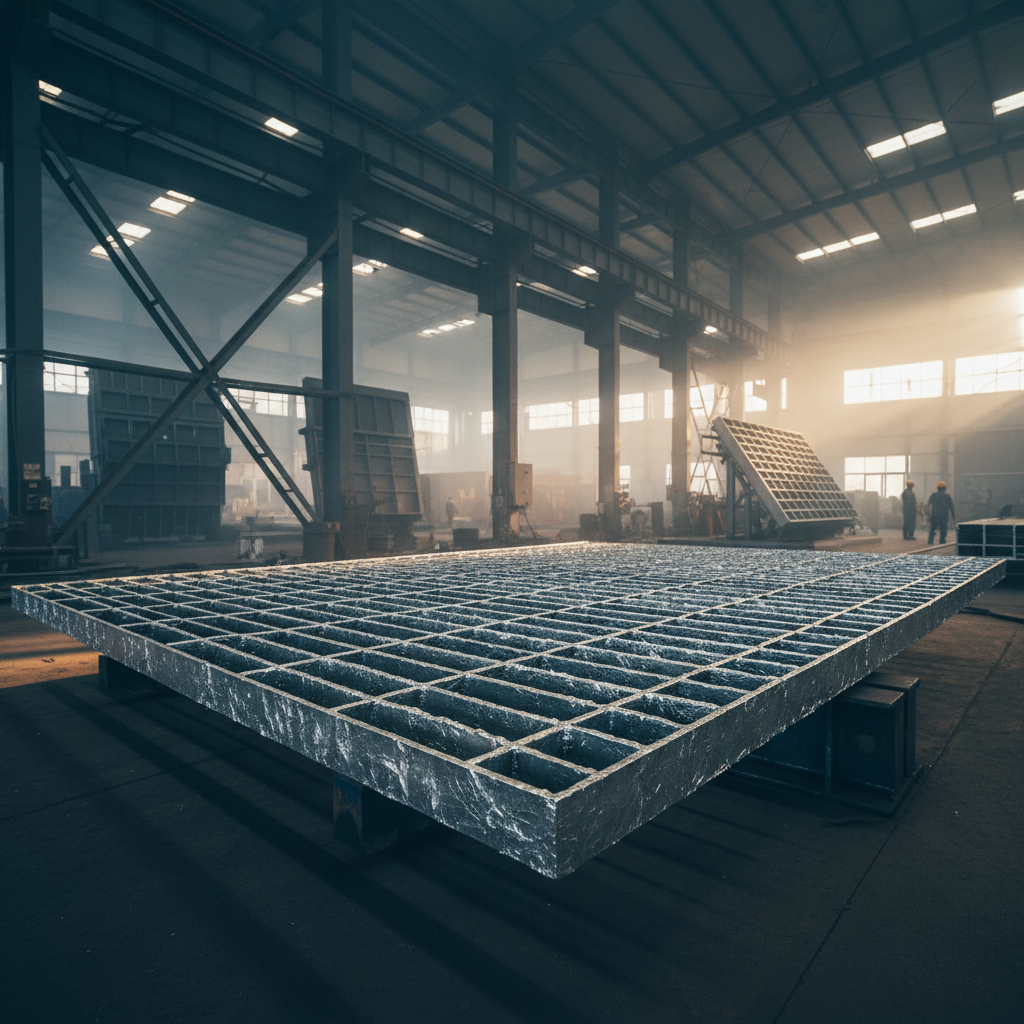
Grating for sale encompasses a broad category of open grid structures, typically constructed from interwoven metal bars or molded materials. These structures are designed to provide a strong, yet lightweight, surface with excellent drainage and ventilation properties. Unlike solid surfaces, grating allows liquids, debris, and air to pass through, reducing the risk of buildup and maintaining a safer working environment. This makes it ideal for applications where slip resistance and moisture management are paramount.
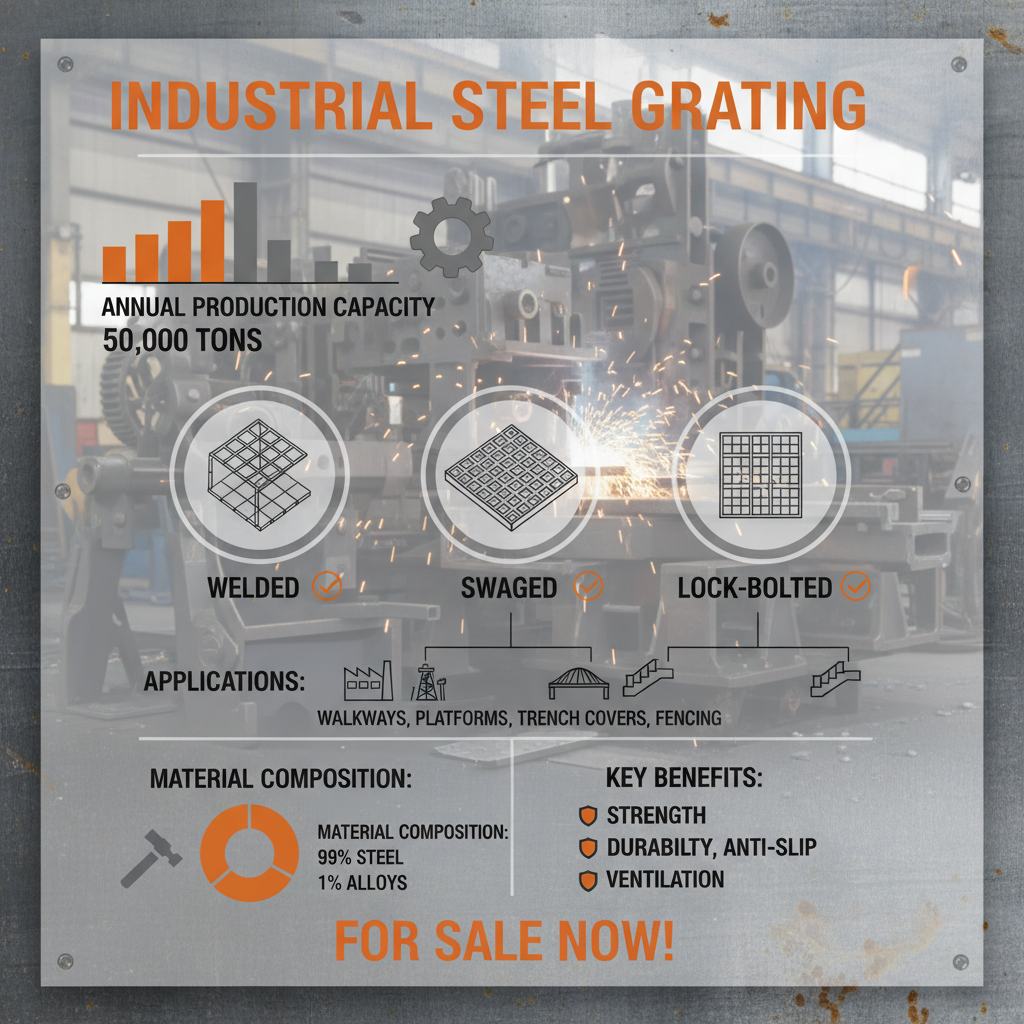
The concept of grating has evolved from simple bar grating to more sophisticated designs, including welded, swaged, and riveted constructions. These advancements have enhanced load-bearing capacity, corrosion resistance, and aesthetic appeal. Modern grating solutions frequently incorporate innovative coatings and surface treatments to further extend their lifespan and reduce maintenance requirements.
Its connection to modern industry stems from the need for safe, reliable, and durable infrastructure components. From oil and gas platforms to food processing plants, grating plays a critical role in maintaining operational efficiency and worker safety. Increasingly, humanitarian organizations are leveraging the accessibility of grating for sale to create temporary and sustainable infrastructure in disaster relief and development projects.
Core Components of Quality Grating
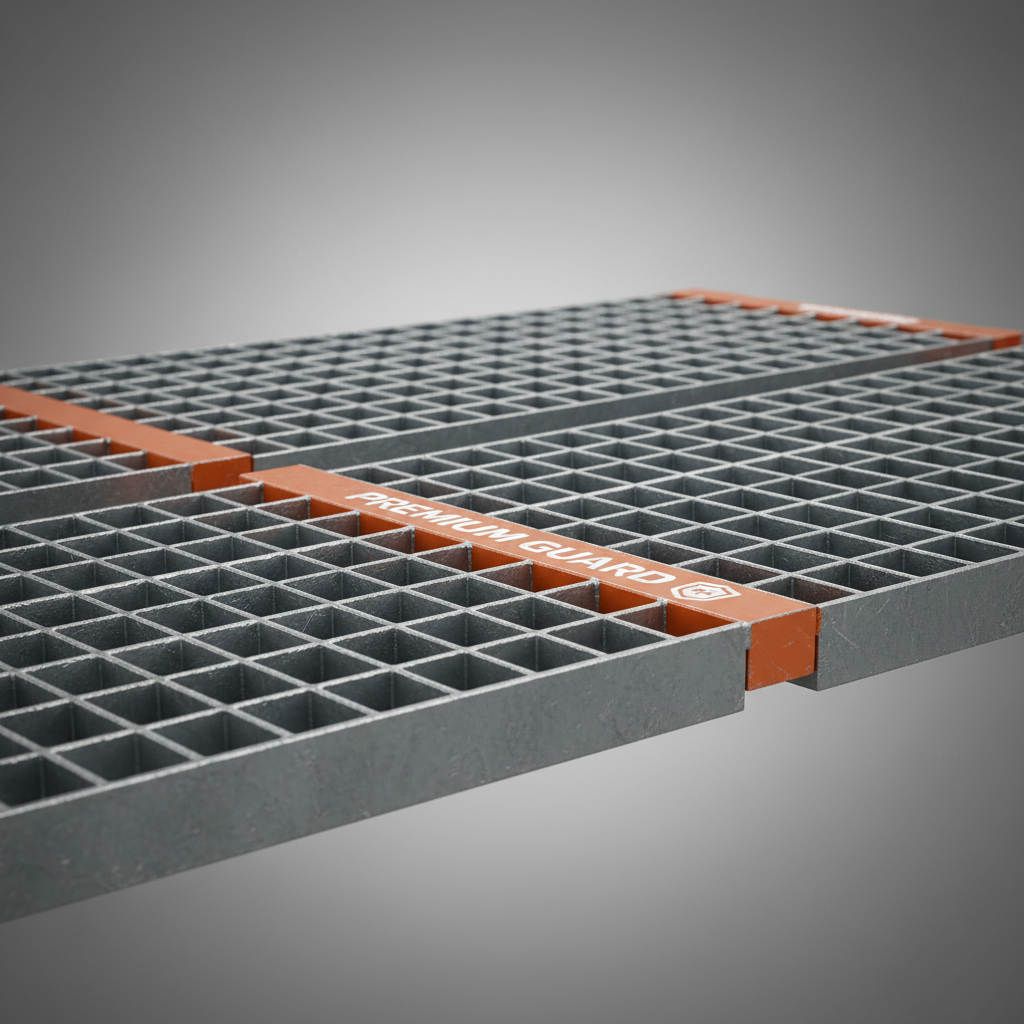
A high-quality grating system is composed of several essential components that contribute to its overall performance and longevity. The bearing bars, which are the primary load-carrying elements, are often manufactured from carbon steel, stainless steel, or aluminum. These bars are spaced strategically to provide optimal strength-to-weight ratio and drainage capabilities.
The crossbars or twist bars are perpendicular to the bearing bars and provide stability, preventing the bearing bars from twisting or buckling under load. The method of attachment – welding, swaging, or riveting – significantly impacts the grating's structural integrity and corrosion resistance. Additionally, edge bands or frames can be added to provide a finished look and enhance safety by preventing snagging or tripping hazards.
The material selection is a crucial aspect of grating quality. Stainless steel offers exceptional corrosion resistance in harsh environments, while aluminum provides a lightweight and cost-effective alternative. Carbon steel is commonly used in applications where corrosion is not a major concern or where protective coatings can be applied. Selecting the correct combination of components and materials ensures the grating meets the specific demands of its intended application.
Key Factors Influencing Grating Selection
Selecting the appropriate grating for a specific application requires careful consideration of several key factors. Load capacity is paramount, as the grating must be able to safely support anticipated loads, including personnel, equipment, and materials. The environment in which the grating will be used also plays a crucial role. Exposure to corrosive substances, extreme temperatures, or harsh weather conditions necessitates the selection of corrosion-resistant materials and protective coatings.
Another important factor is the grating's intended use. Walkways require slip-resistant surfaces, while drainage applications prioritize open area and efficient fluid flow. Aesthetic considerations may also influence the choice of grating type and finish. Finally, budget constraints and installation requirements should be factored into the decision-making process.
Grating for Sale - Selection Criteria Rating
Global Applications of Grating
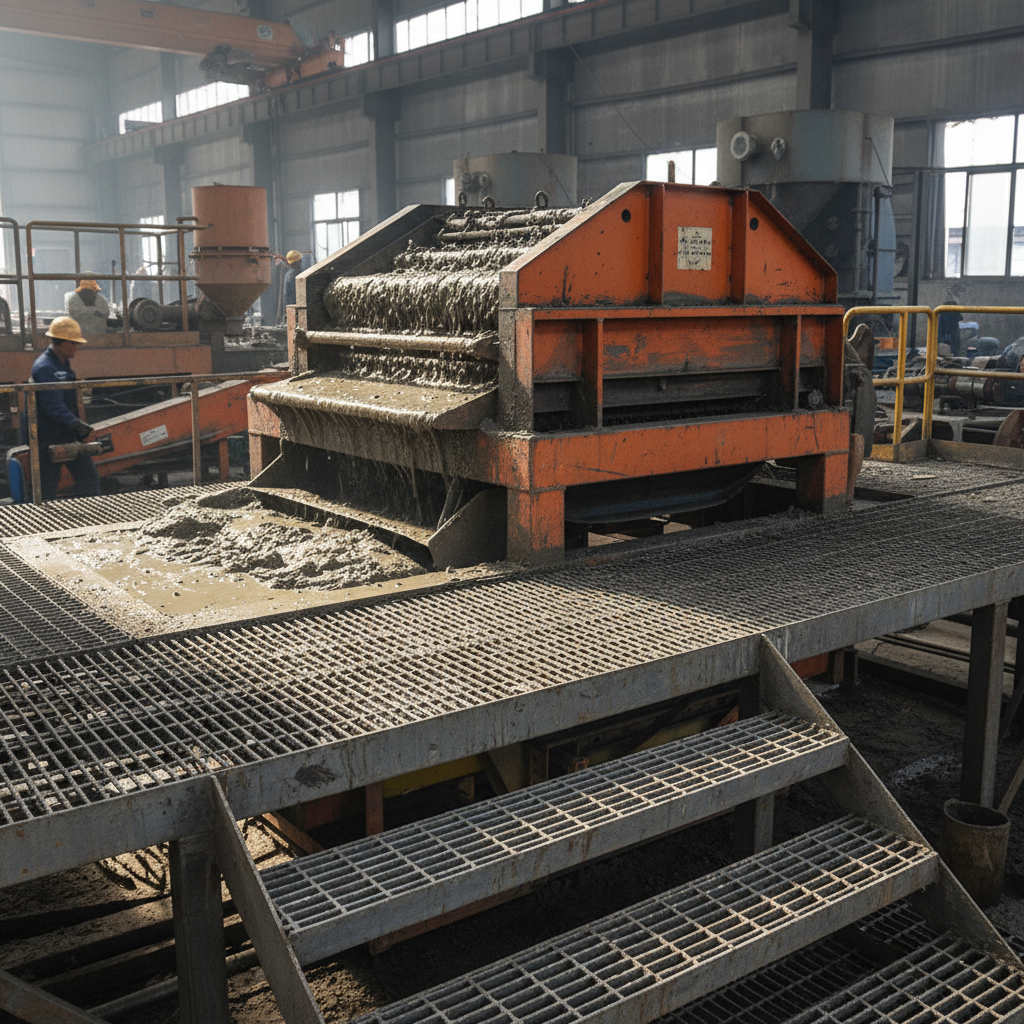
Grating finds widespread application across a diverse range of industries and sectors globally. In the oil and gas industry, it’s used extensively on offshore platforms and refineries to create safe walkways, stair treads, and equipment support structures. The chemical processing industry relies on corrosion-resistant grating to withstand harsh environments and maintain operational safety.
Municipalities utilize grating for sewer covers, drainage grates, and pedestrian bridges. Food and beverage processing plants benefit from the hygienic properties of stainless steel grating. In post-disaster relief operations, readily available grating for sale can be deployed quickly to construct temporary shelters and walkways.
Advantages and Long-Term Value
The advantages of utilizing grating extend beyond its immediate functionality. Cost-effectiveness is a significant benefit, as grating typically requires less material than solid surfaces, reducing overall project expenses. Its lightweight nature simplifies installation and reduces transportation costs. The inherent durability of grating minimizes maintenance requirements and extends its lifespan, providing long-term value.
From a sustainability perspective, grating's open design promotes ventilation and reduces the need for artificial lighting and cooling. The use of recycled materials in grating manufacturing further enhances its environmental credentials. Most importantly, grating enhances worker safety by providing slip-resistant surfaces and preventing the accumulation of hazardous materials.
Future Trends in Grating Technology
The future of grating technology is focused on innovation and sustainability. The development of new materials, such as fiber-reinforced polymers (FRP), offers enhanced strength-to-weight ratios and superior corrosion resistance. Smart grating systems, incorporating sensors to monitor load, vibration, and corrosion levels, are emerging to provide real-time data for preventative maintenance.
Automation in grating manufacturing is increasing efficiency and reducing production costs. Digital design and modeling tools are enabling engineers to create customized grating solutions tailored to specific project requirements. A growing emphasis on green building practices is driving demand for sustainable grating materials and manufacturing processes. grating for sale is rapidly evolving to incorporate these advancements.
The integration of IoT (Internet of Things) technologies is also anticipated, allowing for remote monitoring of grating performance and predictive maintenance, further optimizing operational efficiency and extending lifespan.
Analysis of Future Grating Technology Trends
| Trend Category |
Impact on Cost |
Impact on Durability |
Adoption Rate (1-10) |
| FRP Materials |
Moderate - Higher initial cost |
High - Exceptional corrosion resistance |
6 |
| Smart Grating Systems |
High - Requires sensor integration |
Moderate - Predictive maintenance |
4 |
| Automated Manufacturing |
Low - Reduced labor costs |
Moderate - Consistent quality |
8 |
| Digital Design & Modeling |
Low - Reduced prototyping costs |
High - Optimized designs |
7 |
| Recycled Materials |
Moderate - Material sourcing costs |
Moderate - Comparable performance |
5 |
| IoT Integration |
High - Requires network infrastructure |
High - Real-time monitoring |
3 |
FAQS
When looking at grating for sale, the most common materials are carbon steel, stainless steel, and aluminum. Carbon steel is cost-effective but requires protective coatings for corrosion resistance. Stainless steel provides exceptional corrosion resistance, ideal for harsh environments. Aluminum offers a lightweight and corrosion-resistant alternative, suitable for applications where weight is a concern. Fiberglass reinforced plastic (FRP) is also gaining popularity for its high strength-to-weight ratio and corrosion resistance.
The grating's load capacity is a critical factor, determined by the anticipated weight it will bear, including personnel, equipment, and materials. Different grating types and materials offer varying load capacities. Engineers must calculate the expected load and select a grating that meets or exceeds those requirements to ensure safety and prevent structural failure. Load tables are typically provided by manufacturers to assist in this selection process.
Welded grating offers a strong and rigid construction, making it suitable for applications requiring high load-bearing capacity and stability. The welding process creates a permanent bond between the bearing bars and crossbars, providing excellent structural integrity. It’s often more cost-effective than other grating types and is widely available. However, it may be less resistant to vibration and shock loading compared to swaged or riveted grating.
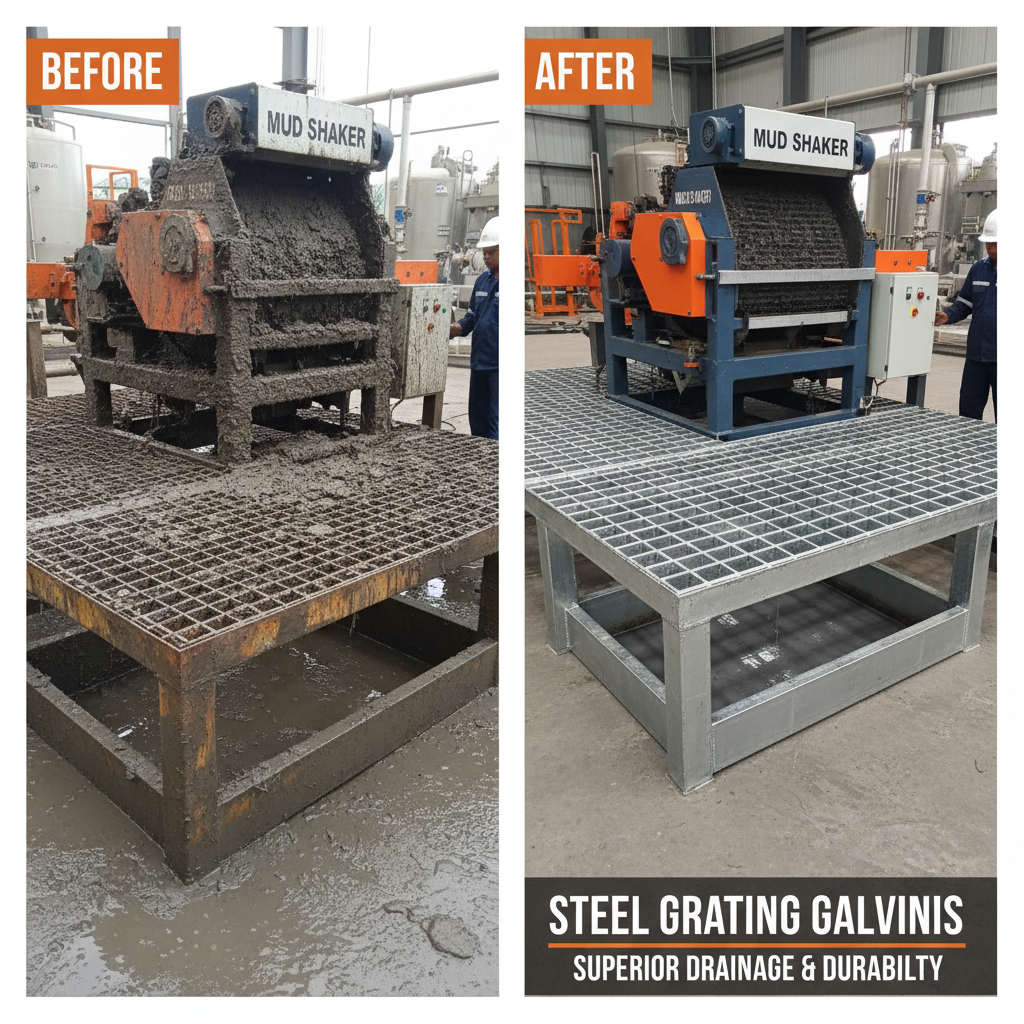
Corrosion resistance is extremely important, particularly in environments exposed to moisture, chemicals, or saltwater. Selecting the right material and/or applying appropriate coatings can significantly extend the grating's lifespan and reduce maintenance costs. Stainless steel and FRP grating offer excellent corrosion resistance, while carbon steel requires protective coatings like galvanizing or epoxy powder coating to prevent rust and deterioration.
The cost of grating for sale is influenced by several factors, including material type, grating thickness, the complexity of the design, manufacturing process, and shipping costs. Stainless steel grating is generally more expensive than carbon steel or aluminum. Custom grating designs also tend to be more costly. Larger quantities often qualify for volume discounts, and the location of the supplier can affect shipping expenses.
Yes, most manufacturers offer customization options for grating dimensions and designs. You can specify the length, width, bearing bar spacing, and crossbar type to meet your specific project requirements. Custom designs may involve additional lead times and costs, but they ensure a perfect fit for your application. Providing detailed drawings or specifications is essential for accurate quoting and manufacturing.
Conclusion
In conclusion, understanding the intricacies of grating for sale is vital for professionals across a spectrum of industries. From its diverse material options and load-bearing capabilities to its applications in enhancing safety and infrastructure, grating provides a versatile and durable solution for a multitude of challenges. Careful consideration of factors like corrosion resistance, load capacity, and design customization ensures the selection of grating best suited to specific project needs.
Looking ahead, innovations in materials and manufacturing techniques, coupled with the integration of smart technologies, promise to further enhance the performance and sustainability of grating systems. As infrastructure development continues globally, the demand for high-quality grating will undoubtedly increase. We encourage you to explore our comprehensive range of grating for sale and contact our expert team for personalized guidance and support.