- Industrial zone, South of Anping Town, Hengshui, Hebei, China.
- sales@hfpetromesh.com
- +86-18931809706
Comprehensive Guide to Selecting Durable Trench Drain Covers Plastic Solutions
Choosing the Right Trench Drain Covers Plastic: A Comprehensive Guide
Effective water management is crucial for any infrastructure project. Trench drain covers plastic play a vital role in ensuring the efficient and safe drainage of surface water. This article will delve into the various types, benefits, applications, and key considerations when selecting plastic trench drain covers. We'll cover materials, load-bearing capacities, and installation tips to help you make an informed decision. Ensuring you choose the right cover will help prevent costly repairs and maintain the integrity of your drainage system. Explore our range of solutions at HF Petro Mesh.
Understanding the Benefits of Plastic Trench Drain Covers
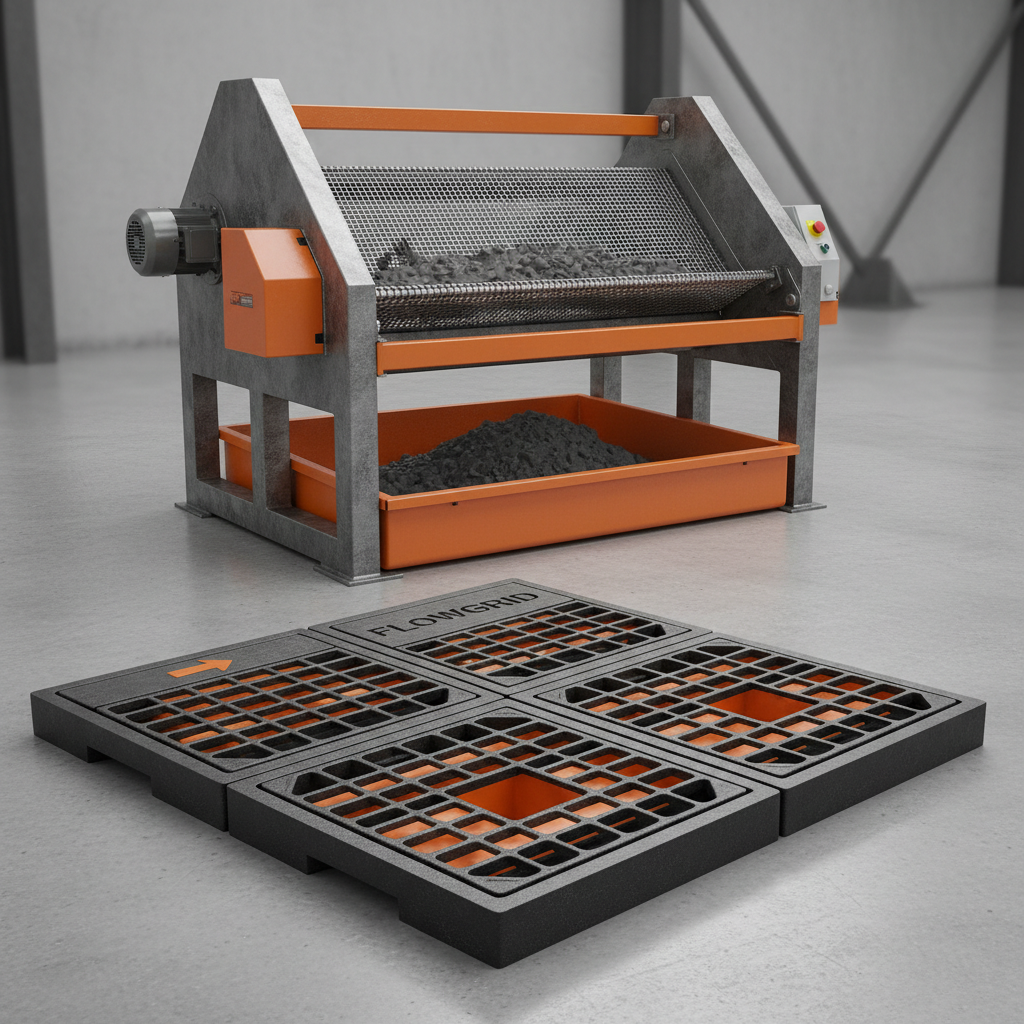
Compared to traditional materials like cast iron or concrete, plastic trench drain covers offer a multitude of advantages. They are significantly lighter, making installation easier and reducing labor costs. Plastic is also corrosion-resistant, preventing rust and degradation, which extends the lifespan of the drainage system. Furthermore, plastic covers are non-conductive, enhancing safety in areas with electrical hazards. The cost-effectiveness of plastic, coupled with its durability, makes it an increasingly popular choice for a wide range of applications. Explore the benefits further by visiting our product page for detailed specifications.
Key Advantages: Lightweight, corrosion-resistant, non-conductive, cost-effective, and durable.
Types of Trench Drain Covers Plastic
Several types of plastic are used in manufacturing trench drain covers, each offering distinct properties. Polypropylene (PP) is a common choice due to its high strength-to-weight ratio and resistance to chemicals. Polyethylene (PE) is more flexible and impact-resistant, making it suitable for high-traffic areas. Polyvinyl Chloride (PVC) offers excellent durability and is often used in heavy-duty applications. The selection of material depends on the specific requirements of the project, including load-bearing capacity, environmental conditions, and budget. HF Petro Mesh offers a variety of materials tailored to your needs, you can check them here.
Material Comparison:
• Polypropylene (PP): High strength, chemical resistance.
• Polyethylene (PE): Flexible, impact-resistant.
• Polyvinyl Chloride (PVC): Durable, heavy-duty.
Load-Bearing Capacity and Safety Standards
Choosing trench drain covers plastic with the appropriate load-bearing capacity is critical for safety. Covers are typically rated based on the amount of weight they can withstand, indicated by classes such as A15, B125, C250, D400, E600, and F900. These ratings correspond to increasing load capacities and are defined by the European Standard EN 1433. Selecting a cover with a rating suitable for the expected traffic (pedestrian, vehicular, heavy vehicles) is essential to prevent accidents and damage. HF Petro Mesh products adhere to these industry standards, ensuring reliable performance and safety.
Applications of Plastic Trench Drain Covers
The versatility of trench drain covers plastic makes them suitable for a diverse range of applications. These include parking lots, shopping malls, roadways, airports, industrial facilities, and residential driveways. They effectively manage stormwater runoff, preventing flooding and erosion. In industrial settings, they can contain spills and prevent contaminants from entering the environment. Proper drainage is critical to prevent water damage and maintaining the safety and functionality of these areas. HF Petro Mesh provides solutions for any drainage challenge.
Installation and Maintenance Tips
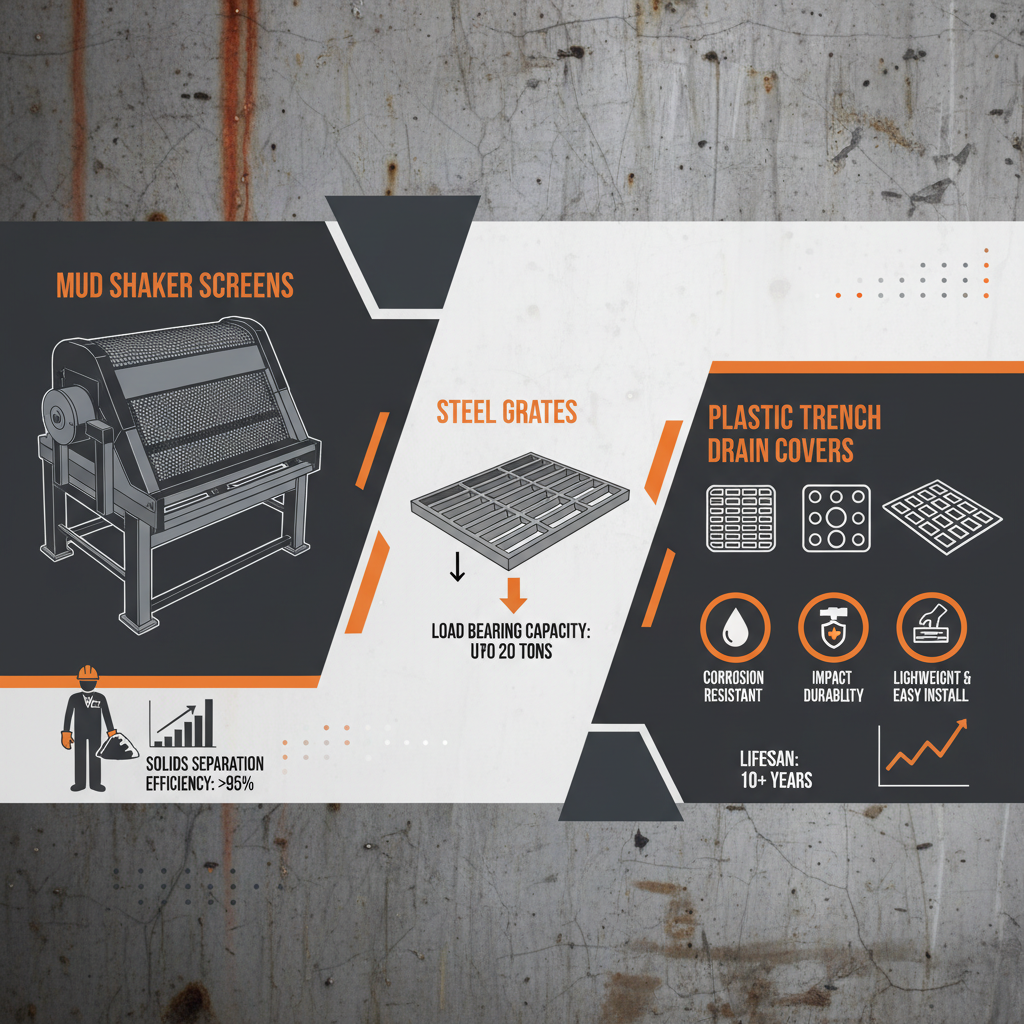
Proper installation is crucial for the optimal performance of trench drain covers plastic. Ensure the trench is properly prepared and leveled before installing the drain channel and covers. Follow the manufacturer's instructions for securing the covers, using appropriate fasteners. Regular maintenance, including cleaning debris from the channel and inspecting the covers for damage, will extend the lifespan of the system. HF Petro Mesh provides detailed installation guidelines and support to ensure a successful outcome.
Conclusion: Investing in Quality Drainage Solutions
Choosing the right trench drain covers plastic is essential for effective water management and long-term infrastructure integrity. HF Petro Mesh offers a comprehensive range of high-quality covers tailored to various applications and load requirements. By investing in durable, reliable drainage solutions, you can protect your investment and ensure a safe, functional environment. Browse our selection today and find the perfect solution for your project at HF Petro Mesh.
Frequently Asked Questions (FAQs)
What are the main benefits of using plastic trench drain covers over metal ones?
Plastic trench drain covers offer several advantages over metal alternatives. They are significantly lighter, making installation easier and reducing labor costs. Plastic is also corrosion-resistant, eliminating the risk of rust and extending the lifespan of the system. Furthermore, plastic is non-conductive, enhancing safety in areas with electrical hazards. The cost of plastic covers is generally lower than metal covers, offering a more economical solution without compromising performance.
How do I determine the correct load class for my application?
Determining the correct load class involves assessing the expected traffic over the drainage system. For pedestrian areas, an A15 load class is typically sufficient. Car parks and areas with light vehicle traffic require a B125 or C250 rating. For areas subject to heavy truck traffic, a D400, E600 or even F900 load class is necessary. Consider the potential for occasional heavy loads, and always err on the side of caution when selecting a load class.
What is the typical lifespan of plastic trench drain covers?
The lifespan of plastic trench drain covers depends on the material quality, exposure to UV radiation, and maintenance practices. High-quality polypropylene (PP) and polyvinyl chloride (PVC) covers can last for 10-20 years or even longer with proper care. Regular cleaning to remove debris and inspection for any damage will help maximize their lifespan. Avoiding exposure to harsh chemicals and extreme temperatures can also extend their longevity.
-
The Ultimate Guide to Choosing a French Drain Grate CoverNewsApr.16,2026
-
Ultimate Guide to Durable Metal Channel Drain Grates for DrainageNewsApr.09,2026
-
Driveway Channel Drain Grate Systems for Effective Water ManagementNewsApr.07,2026
-
Comprehensive Guide to Durable Cast Iron Trench Drain Covers for Various ApplicationsNewsApr.04,2026
-
Comprehensive Guide to Driveway Storm Drain Grates for Optimal Water ManagementNewsMar.31,2026
-
Comprehensive Guide to Durable Steel Driveway Grates for Enhanced DrainageNewsMar.28,2026