- Industrial zone, South of Anping Town, Hengshui, Hebei, China.
- sales@hfpetromesh.com
- +86-18931809706
Comprehensive Guide to Durable Steel Trench Drain Grates and Their Applications
Understanding Steel Trench Drain Grates
Steel trench drain grates are essential components of effective stormwater management systems. They provide a safe and durable surface for water entry while preventing debris from entering the drainage channel. Selecting the right grate is crucial for ensuring long-term performance and minimizing maintenance. This article will explore the different types of steel trench drain grates, their applications, key considerations for choosing the correct grate, and the advantages of using high-quality materials. Properly installed and maintained trench drains contribute significantly to preventing flooding and protecting infrastructure.
Types of Steel Trench Drain Grates
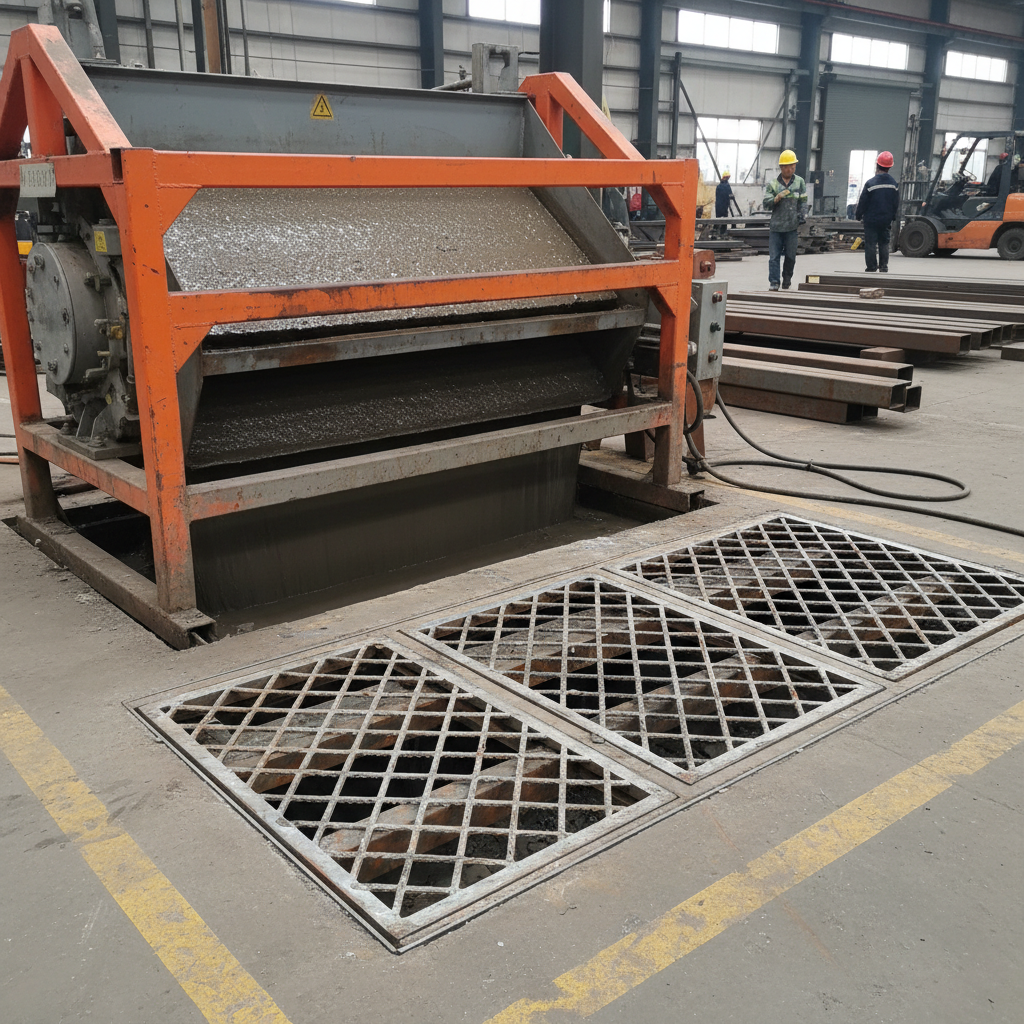
Steel trench drain grates come in several designs, each suited for different load capacities and aesthetic preferences. Common types include: heel-proof grates, ideal for pedestrian areas as they prevent heel entrapment; plain bar grates, cost-effective and suitable for lighter loads; serrated grates, offering improved grip and anti-slip properties; and ductile iron grates, providing exceptional strength and durability for heavy-duty applications. The choice depends on the expected traffic, environmental conditions, and specific project requirements. At HF Petro Mesh, we offer a comprehensive range of these grate types to meet diverse needs.
Key Considerations: Selecting the right grate type is influenced by load requirements, pedestrian safety, and aesthetic goals. Ductile iron offers superior strength, while heel-proof designs prioritize safety in pedestrian zones.
Applications of Steel Trench Drain Grates
Steel trench drain grates find widespread use across various applications. These include: parking lots, to manage stormwater runoff and prevent pooling; pedestrian walkways, ensuring safe and effective drainage in high-traffic areas; industrial facilities, handling heavy loads and resisting corrosion from chemicals; swimming pools, providing efficient water circulation and debris removal; and landscaping projects, seamlessly integrating drainage with aesthetic design. Their versatility and durability make them a valuable asset in any environment where effective water management is required. HF Petro Mesh provides solutions tailored to these diverse application areas.
Application Benefits:
• Efficient stormwater management
• Prevention of flooding and pooling
• Enhanced safety in pedestrian areas
• Long-term durability and low maintenance
Comparing Steel Grate Materials: A Detailed Look
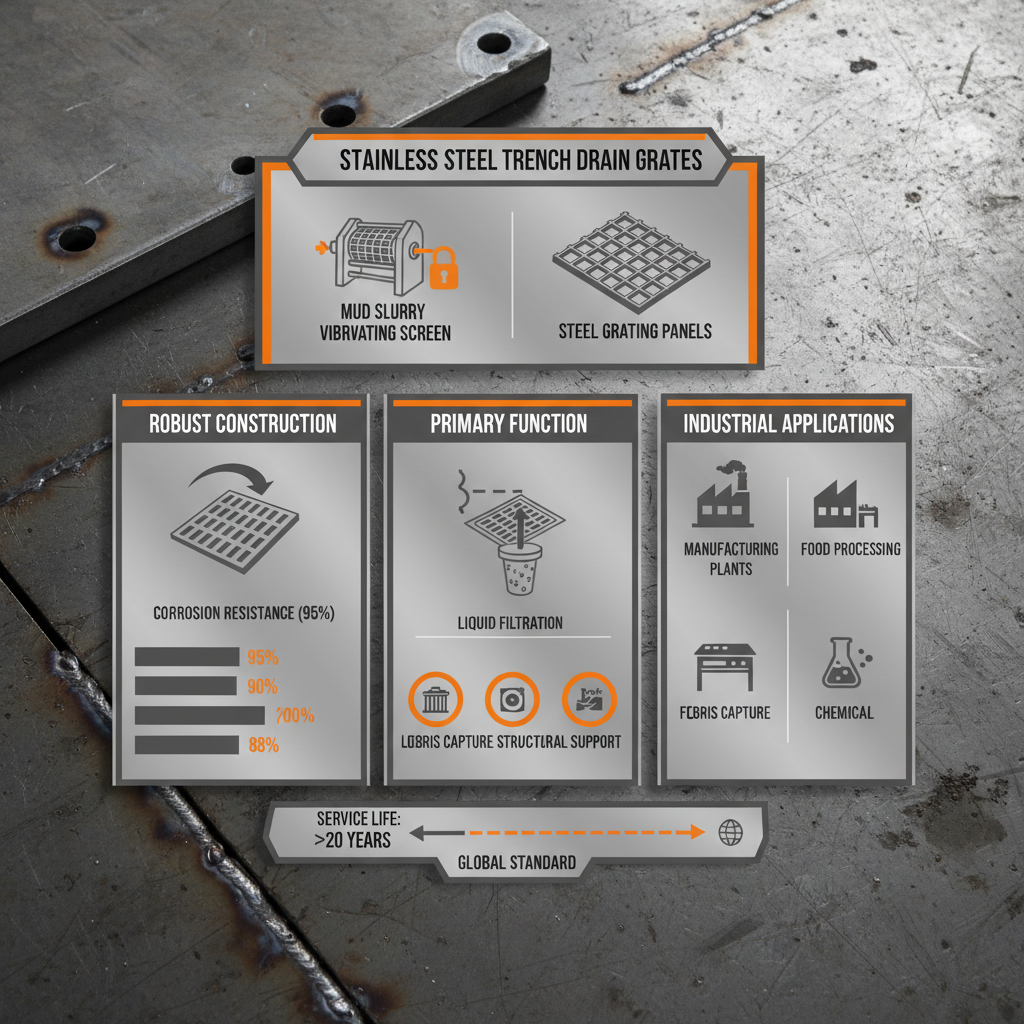
While commonly referred to as “steel” trench drain grates, different steel alloys and alternative materials offer varying performance characteristics. Carbon steel is a cost-effective option, but is susceptible to corrosion. Stainless steel provides excellent corrosion resistance, making it ideal for harsh environments. Ductile iron, although not technically steel, offers superior strength and impact resistance. Here's a comparative overview:
Key Factors When Selecting Steel Trench Drain Grates
Choosing the right steel trench drain grate requires careful consideration of several factors. Load capacity is paramount, especially in areas with vehicular traffic. Drainage efficiency must be considered to ensure effective water removal. Safety features, such as heel-proof designs, are crucial in pedestrian zones. Furthermore, the corrosion resistance of the material should align with the environmental conditions. Finally, aesthetic considerations can influence the selection to complement the surrounding landscape. HF Petro Mesh offers expert guidance to help you select the optimal grate for your specific application.
Ensuring Long-Term Performance and Maintenance
To maximize the lifespan and effectiveness of your steel trench drain grates, regular maintenance is essential. This includes periodic cleaning to remove debris and prevent blockages. Inspect grates for signs of corrosion or damage and replace them as needed. Proper installation, following manufacturer guidelines, is crucial for optimal performance. Consider implementing a preventative maintenance schedule to identify and address potential issues before they escalate. HF Petro Mesh provides high-quality products and expert support to ensure long-term reliability.
Conclusion: Investing in Quality Steel Trench Drain Grates
Investing in high-quality steel trench drain grates is a smart decision that protects your infrastructure, enhances safety, and minimizes long-term maintenance costs. By carefully considering the application, load requirements, and material properties, you can select the optimal solution for your needs. Choose HF Petro Mesh for reliable products and expert support.
Frequently Asked Questions (FAQs)
What load capacity should I look for in a trench drain grate?
The required load capacity depends on the anticipated traffic. For pedestrian-only areas, a lighter-duty grate is sufficient. However, if the grate will be subjected to vehicular traffic, you must select a grate with a load capacity rated for the vehicle weight and frequency of use. Exceeding the load capacity can result in grate failure and potential safety hazards. Always consult load capacity charts provided by the manufacturer or a qualified engineer. It’s better to overestimate the load requirement than to underestimate it.
Are steel trench drain grates susceptible to corrosion?
Yes, carbon steel is susceptible to corrosion, especially in environments with high salinity or exposure to chemicals. However, stainless steel grates offer excellent corrosion resistance. Additionally, protective coatings, such as galvanization or epoxy, can be applied to carbon steel grates to enhance their corrosion resistance. The choice of material should be based on the specific environmental conditions.
How often should I clean my trench drains?
The frequency of cleaning depends on the environment and the amount of debris accumulation. In areas with heavy leaf fall or sediment runoff, more frequent cleaning may be required. A general guideline is to inspect and clean trench drains at least twice a year, or more often if necessary. Regular cleaning prevents blockages and ensures efficient drainage.
What is the benefit of heel-proof grates?
Heel-proof grates are designed with narrow openings to prevent heels from becoming trapped. This is a crucial safety feature in pedestrian areas, minimizing the risk of falls and injuries. These grates are often required in public spaces and areas with high foot traffic, such as shopping malls, parks, and sidewalks. They prioritize pedestrian safety without compromising drainage efficiency.
-
The Ultimate Guide to Choosing a French Drain Grate CoverNewsApr.16,2026
-
Ultimate Guide to Durable Metal Channel Drain Grates for DrainageNewsApr.09,2026
-
Driveway Channel Drain Grate Systems for Effective Water ManagementNewsApr.07,2026
-
Comprehensive Guide to Durable Cast Iron Trench Drain Covers for Various ApplicationsNewsApr.04,2026
-
Comprehensive Guide to Driveway Storm Drain Grates for Optimal Water ManagementNewsMar.31,2026
-
Comprehensive Guide to Durable Steel Driveway Grates for Enhanced DrainageNewsMar.28,2026