- Industrial zone, South of Anping Town, Hengshui, Hebei, China.
- sales@hfpetromesh.com
- +86-18931809706
Comprehensive Guide to Durable Metal Trench Drain Grates and Selection
Understanding Metal Trench Drain Grates: A Comprehensive Guide
Metal trench drain grates are essential components of effective stormwater management systems. They efficiently channel water away from surfaces, preventing flooding and damage. Choosing the right grate isn't simply about price; it's about durability, capacity, and suitability for your specific application. This article will delve into the types, materials, applications, and key considerations when selecting metal trench drain grates. Proper drainage is critical for infrastructure longevity and safety, and selecting the correct grate is a crucial step in ensuring effective water management.
Types of Metal Trench Drain Grates
Metal trench drain grates come in several common types, each designed for different load capacities and aesthetic preferences. These include heel-proof grates, which feature narrow openings to prevent high heels from sinking; slotted grates offering a more modern look; and mesh grates providing excellent drainage capacity. The choice depends on the environment – a pedestrian walkway requires different considerations than a loading dock. Understanding these differences is vital for proper selection. HF PetroMesh offers a wide variety of these grate types to suit diverse needs.
Key Considerations: Load capacity, pedestrian traffic, potential for debris accumulation, and aesthetic requirements.
Common Materials Used in Metal Trench Drain Grates
The most common materials used in manufacturing metal trench drain grates include cast iron, stainless steel, and galvanized steel. Cast iron provides excellent strength and durability but can be susceptible to corrosion over time. Stainless steel offers superior corrosion resistance, making it ideal for harsh environments, but comes at a higher cost. Galvanized steel provides a good balance of strength and corrosion resistance at a more affordable price point. Selecting the right material is crucial for ensuring longevity and minimizing maintenance. HF PetroMesh specializes in providing high-quality grates made from these materials.
Material Comparison:
• Cast Iron: High strength, susceptible to corrosion.
• Stainless Steel: Excellent corrosion resistance, high cost.
• Galvanized Steel: Good strength and corrosion resistance, affordable.
Selecting the Right Metal Trench Drain Grate for Your Application
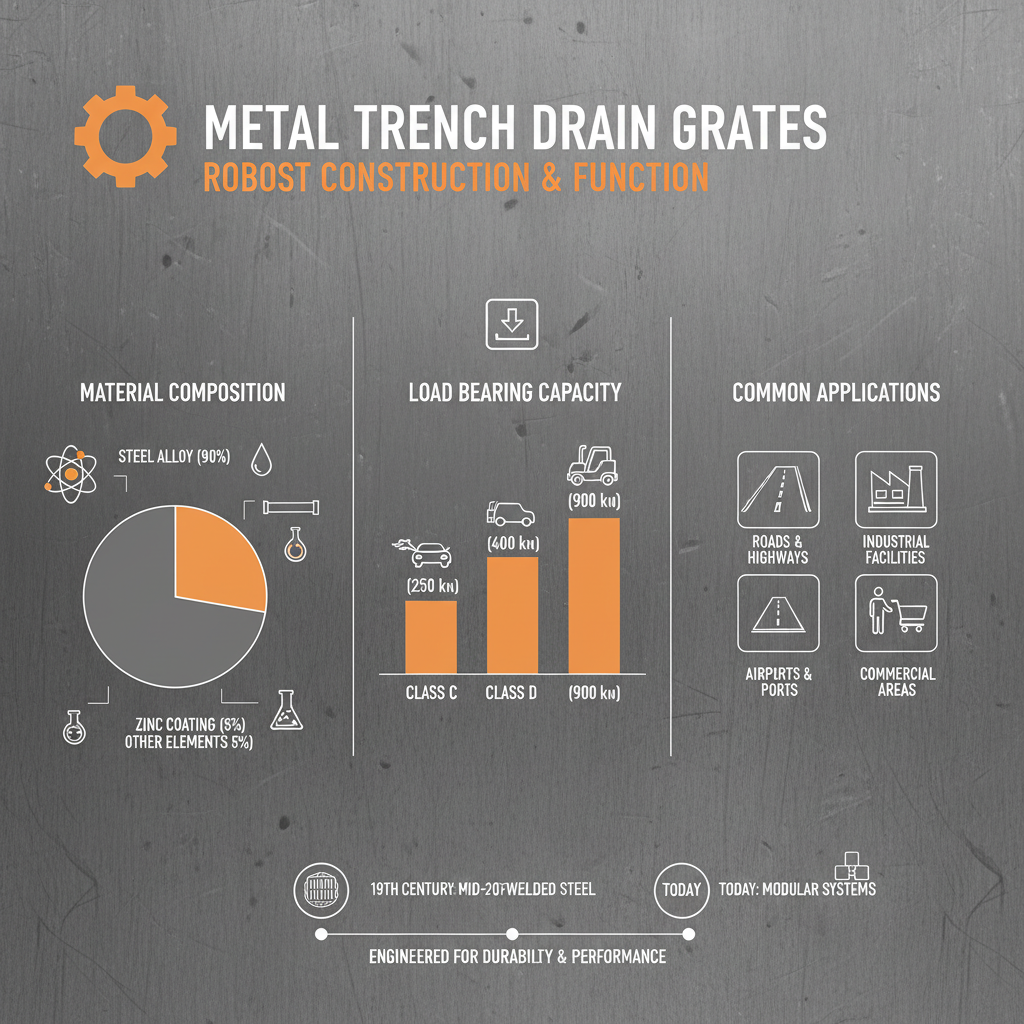
The ideal metal trench drain grate depends heavily on the intended application. Heavy industrial areas and loading docks require grates with high load-bearing capacity, typically made from cast iron or robust stainless steel. Pedestrian walkways benefit from heel-proof grates to prevent accidents. Areas prone to chemical exposure necessitate corrosion-resistant materials like stainless steel. Consider the volume of water expected during peak rainfall events to ensure the grate system can handle the flow. Proper sizing and material selection are key to a successful drainage solution. HF PetroMesh provides expert guidance on selecting the optimal grate for your specific requirements.
Installation Considerations for Metal Trench Drain Grates
Proper installation is as important as selecting the correct grate. Ensure the trench drain system is properly sloped to facilitate effective water flow. Securely fasten the grates to the frame using appropriate hardware, such as bolts or screws. Inspect the installation regularly to ensure the grates remain secure and aligned. Consider the surrounding environment during installation – avoid obstructing the grates with debris or landscaping materials. HF PetroMesh can provide detailed installation guidelines and support.
Maintenance and Longevity of Metal Trench Drain Grates
Regular maintenance is essential for maximizing the lifespan of your metal trench drain grates. Periodically remove debris, such as leaves, dirt, and sediment, from the grates and channels. Inspect the grates for signs of corrosion or damage, and address any issues promptly. For galvanized steel grates, consider applying a protective coating to enhance corrosion resistance. Following a regular maintenance schedule will ensure your drainage system continues to function effectively for years to come. HF PetroMesh offers advice on best practices for grate maintenance.
Conclusion: Investing in Quality Drainage Solutions
Choosing the right metal trench drain grates is a crucial investment in the longevity and safety of your infrastructure. By considering the application, material, and installation requirements, you can ensure a reliable and efficient drainage system. Don’t compromise on quality – choose a trusted supplier like HF PetroMesh for expert guidance and durable products.
Frequently Asked Questions (FAQs)
What load capacity should I look for in a trench drain grate?
Load capacity is determined by the intended use. Pedestrian areas require a lower load capacity (typically around 200-400 lbs), while areas subject to vehicular traffic (cars, trucks) require significantly higher capacities (ranging from 2,000 lbs to over 40,000 lbs). Always consult with a structural engineer or drainage specialist to determine the appropriate load capacity for your specific application. Exceeding the load capacity can result in grate failure and potential safety hazards.
How do I prevent clogging in my trench drain system?
Regular maintenance is key. Install debris interceptors or filter socks upstream of the grates to capture larger particles. Periodically remove leaves, dirt, and sediment from the grates and channels. Consider the surrounding landscape – avoid planting trees or shrubs directly over the drain system. Proper slope is also crucial for efficient water flow and preventing sediment buildup.
Are stainless steel grates worth the extra cost?
Stainless steel grates offer superior corrosion resistance, making them an excellent choice for harsh environments, such as coastal areas, industrial facilities, or locations exposed to de-icing salts. While more expensive upfront, they require less maintenance and have a longer lifespan than galvanized steel or cast iron, potentially saving money in the long run. They are a worthwhile investment for applications where durability and corrosion resistance are paramount.
-
The Ultimate Guide to Choosing a French Drain Grate CoverNewsApr.16,2026
-
Ultimate Guide to Durable Metal Channel Drain Grates for DrainageNewsApr.09,2026
-
Driveway Channel Drain Grate Systems for Effective Water ManagementNewsApr.07,2026
-
Comprehensive Guide to Durable Cast Iron Trench Drain Covers for Various ApplicationsNewsApr.04,2026
-
Comprehensive Guide to Driveway Storm Drain Grates for Optimal Water ManagementNewsMar.31,2026
-
Comprehensive Guide to Durable Steel Driveway Grates for Enhanced DrainageNewsMar.28,2026