- Industrial zone, South of Anping Town, Hengshui, Hebei, China.
- sales@hfpetromesh.com
- +86-18931809706
Welded Bar Grating | Heavy-Duty Steel for Industrial Floors
Understanding Welded Bar Grating: A Foundation for Industrial Superiority
In the realm of industrial infrastructure, the selection of robust and reliable flooring and support structures is paramount for operational safety, efficiency, and longevity. Among the myriad options available, welded bar grating stands out as a preeminent solution, offering an unparalleled combination of strength, durability, and versatility. This product, also commonly referred to as welded steel grating, is engineered through a sophisticated pressure-welding process that fuses perpendicular bearing bars and cross bars, creating a monolithic panel renowned for its high load-bearing capacity and rigidity. Its open-grid design facilitates excellent ventilation, light penetration, and drainage, making it an indispensable component across a vast spectrum of demanding environments. The inherent structural integrity of welded bar grating ensures it can withstand significant static and dynamic loads, while its customizable nature allows for precise integration into complex architectural and engineering projects. This comprehensive overview delves into the intricate details of its manufacturing, technical specifications, diverse applications, and the critical factors that establish its position as a superior choice for industrial platforms, walkways, and covers, ultimately contributing to enhanced operational safety and cost-efficiency in a multitude of sectors. We will explore the latest industry trends, the advantages of advanced fabrication techniques, and the importance of adhering to stringent quality control standards to deliver products that meet and exceed global benchmarks.
The demand for high-performance structural materials continues to grow in industries prioritizing safety, long-term performance, and reduced maintenance. Welded bar grating, particularly its heavy-duty variants, addresses these needs effectively. Its construction, typically from carbon steel, stainless steel, or aluminum, provides exceptional resistance to corrosion, wear, and impact, ensuring a prolonged service life even in the most abrasive or chemically aggressive environments. The open mesh design minimizes material accumulation, simplifying cleaning and reducing maintenance costs, while also providing a high level of slip resistance, which is critical for personnel safety on elevated platforms and walkways. From petrochemical refineries requiring robust, non-sparking surfaces to wastewater treatment plants needing corrosion-resistant solutions for harsh chemical exposures, welded steel grating offers tailor-made answers. This article aims to provide B2B decision-makers and technical personnel with a profound understanding of the core attributes that define superior welded bar grating, including the critical technical parameters that influence its performance, the rigorous manufacturing processes that ensure its quality, and the strategic advantages it provides in diverse operational contexts. By integrating real-world application insights and detailed product specifications, we aspire to empower informed procurement decisions that align with the most stringent industrial requirements for safety, efficiency, and sustainability.
Precision Engineering: The Manufacturing Process of Welded Bar Grating
The production of high-quality welded bar grating is a meticulously controlled process that begins with the careful selection of raw materials, primarily high-grade carbon steel, stainless steel (e.g., SS304, SS316 for enhanced corrosion resistance), or aluminum alloys. The foundation of the grating's strength lies in its bearing bars, which are chosen based on the specified load-bearing capacity and span requirements. These bars are typically flat, rectangular sections, while the cross bars are often twisted square bars or round bars, designed to provide lateral stability and maintain the spacing of the bearing bars. The core manufacturing technique is automatic resistance welding, also known as pressure welding. In this advanced process, the bearing bars are arranged in parallel at precise intervals, and the cross bars are then automatically resistance-welded to the top surface of the bearing bars at right angles under intense pressure and high electrical current. This fusion creates a highly rigid and robust panel where the cross bars are integrated into the bearing bars without the need for additional material or interlocking, ensuring exceptional structural integrity and preventing any loosening over time. This welding method is crucial as it generates a strong, permanent bond at each intersection, distributing loads efficiently across the entire panel. Following the welding, panels undergo cutting to custom dimensions, edge banding where required for additional stability and aesthetic finish, and comprehensive surface treatments such as hot-dip galvanization for carbon steel to provide superior corrosion protection, passivation for stainless steel, or anodizing for aluminum.
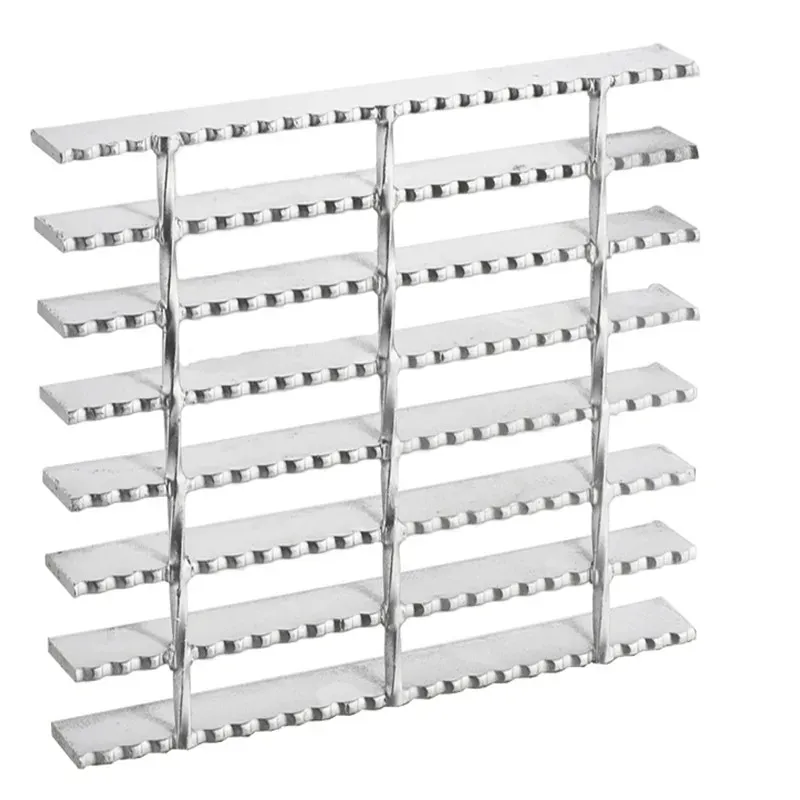
Quality control is integrated at every stage of the manufacturing process to ensure compliance with international standards such as ISO 9001 for quality management systems, and specific product standards like ANSI/NAAMM MBG 531-00 for metal bar grating. Material certifications confirm the chemical composition and mechanical properties of raw materials, while in-process inspections verify bar spacing, panel dimensions, and weld quality. Post-fabrication, panels undergo visual inspection for defects, load testing to confirm deflection and ultimate load capacities, and adherence testing for galvanized coatings. The pressure-welding technique, distinct from manual welding, ensures consistent quality and maximizes the strength-to-weight ratio, allowing for lighter panels that maintain high load capacities. This efficiency in material usage, combined with optimized open area for light and air flow, contributes to energy savings in industrial facilities by reducing reliance on artificial lighting and improving natural ventilation. The result is a product with an extended service life, typically exceeding 20-30 years under normal operating conditions, even in challenging environments like those found in petrochemical, metallurgical, and municipal water and wastewater treatment industries, where resistance to corrosion and heavy traffic is paramount. The meticulous attention to detail in each manufacturing step guarantees that the final welded steel grating product not only meets but often surpasses the stringent performance expectations of B2B industrial applications.
Technical Specifications & Performance Metrics of Welded Bar Grating
The efficacy and suitability of welded bar grating for specific industrial applications are critically defined by its technical parameters and performance metrics. Understanding these specifications is essential for engineers and procurement specialists to ensure the correct product is selected for the intended purpose. Key parameters include the dimensions of the bearing bars (depth and thickness), the spacing between bearing bars (pitch), the spacing of cross bars, and the material type. Standard bearing bar depths typically range from 20mm to 100mm, with thicknesses from 3mm to 10mm, directly impacting the grating's load-bearing capacity and span capabilities. Common bearing bar pitches include 30mm, 40mm, and 60mm, while cross bar pitches are often 50mm or 100mm. The "open area" of the grating, expressed as a percentage, is a crucial metric, indicating the proportion of the surface that is open space, influencing light and air passage, as well as drainage. A higher open area often means better light penetration and drainage but can affect pedestrian comfort for certain footwear. For instance, grating with 30mm x 100mm pitch (bearing bar pitch x cross bar pitch) offers a good balance of strength and open area for industrial platforms, whereas 40mm x 100mm pitch might be preferred where light transmission is a higher priority. Surface treatments, such as hot-dip galvanization (coating thickness typically 65-100 microns according to ASTM A123 standards) or mill finish for stainless steel, determine the grating's corrosion resistance and aesthetic properties. These technical details collectively define the structural integrity, safety features, and operational benefits of the grating.
| Parameter | Description / Range | Typical Applications | Notes |
|---|---|---|---|
| Bearing Bar Depth (D) | 20mm - 100mm (0.75" - 4") | Light duty walkways to heavy vehicle ramps | Determines load capacity & span. Greater depth = higher load. |
| Bearing Bar Thickness (T) | 3mm - 10mm (0.118" - 0.375") | Pedestrian areas to industrial floors | Impact resistance & lateral stability. |
| Bearing Bar Pitch | 30mm, 40mm, 60mm (1-3/16", 1-1/2", 2-3/8") | Industrial walkways, platforms, trench covers | Affects open area, comfort, and small object passage. |
| Cross Bar Pitch | 50mm, 100mm (2", 4") | General industrial use, fire escapes | Provides lateral stability to bearing bars. |
| Material Type | Carbon Steel (Q235), Stainless Steel (304, 316), Aluminum (6061) | Industrial, marine, chemical, food processing | Choice depends on environment (corrosion, temperature). |
| Surface Treatment | Hot-dip Galvanized, Mill Finish, Painted | Outdoor structures, harsh environments, general use | Enhances corrosion resistance and longevity. |
| Max Standard Panel Size | Length up to 6100mm (24 ft), Width up to 1000mm (3 ft) | Large industrial platforms, trench covers | Larger panels reduce installation time. |
Understanding load charts, which correlate bearing bar size and spacing with permissible uniform and concentrated loads for various spans, is paramount for structural integrity. For instance, a 50mm x 5mm bearing bar with 30mm bearing bar pitch can support a uniformly distributed load of approximately 4.7 kN/m² over a 1500mm span while maintaining a deflection limit of L/200, making it suitable for standard industrial walkways. Conversely, heavy-duty welded bar grating, featuring deeper and thicker bearing bars (e.g., 75mm x 6mm or larger), is designed for areas with high traffic, heavy machinery, or vehicular loads, often found in power plants, oil rigs, and port facilities. These heavy-duty options can support concentrated loads exceeding 20 kN and uniform loads up to 15 kN/m² over similar spans. The selection of the appropriate grating type must consider not only the anticipated static and dynamic loads but also environmental factors such as chemical exposure, temperature fluctuations, and the necessity for anti-slip properties, which can be enhanced through serrated bearing bars. By meticulously evaluating these technical specifications, businesses can ensure that their investment in welded bar grating delivers optimal performance, safety, and long-term value, preventing costly failures and ensuring operational continuity in challenging industrial settings.
Versatile Applications & Unmatched Technical Advantages
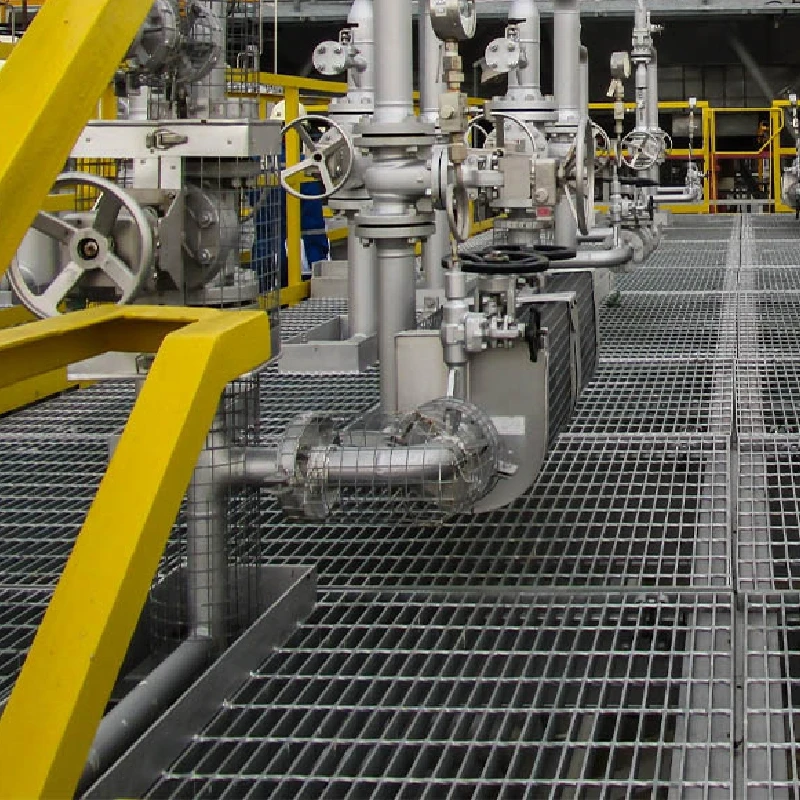
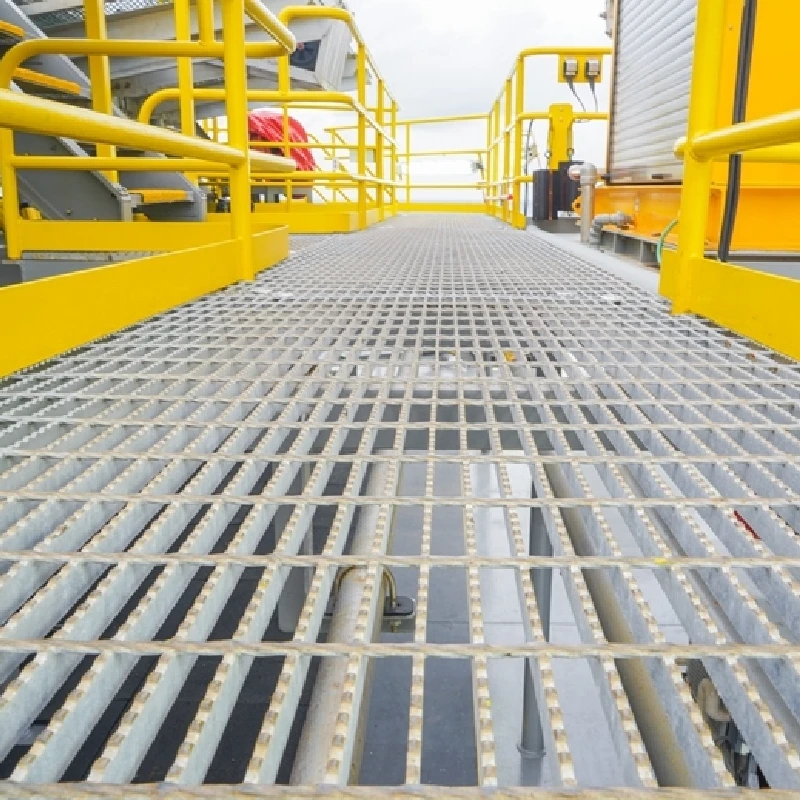
The robust design and inherent versatility of welded steel grating make it an ideal choice for a broad spectrum of industrial applications, providing significant technical advantages over alternative materials. Its primary use cases include elevated walkways, industrial platforms, stair treads, trench covers, drain covers, and mezzanines in sectors such as petrochemical, power generation, oil & gas, metallurgy, mining, shipbuilding, wastewater treatment, and general manufacturing. In petrochemical facilities, for example, its high strength and open mesh prevent the accumulation of hazardous spills and ensure rapid drainage, critical for fire safety and environmental protection. For power plants, the ability to withstand high temperatures and heavy loads from machinery makes it indispensable for boiler platforms and turbine areas. In the marine and offshore industries, the superior corrosion resistance of hot-dip galvanized or stainless steel welded bar grating ensures long-term integrity in saline and humid environments, protecting personnel on offshore platforms and ship decks. Beyond safety, the open-grid structure allows for excellent light penetration, reducing the need for artificial lighting in lower areas, thereby contributing to energy savings and a brighter, safer working environment. This inherent translucency is particularly beneficial in multi-level industrial complexes where maximizing natural light can significantly reduce operational costs and enhance worker well-being.
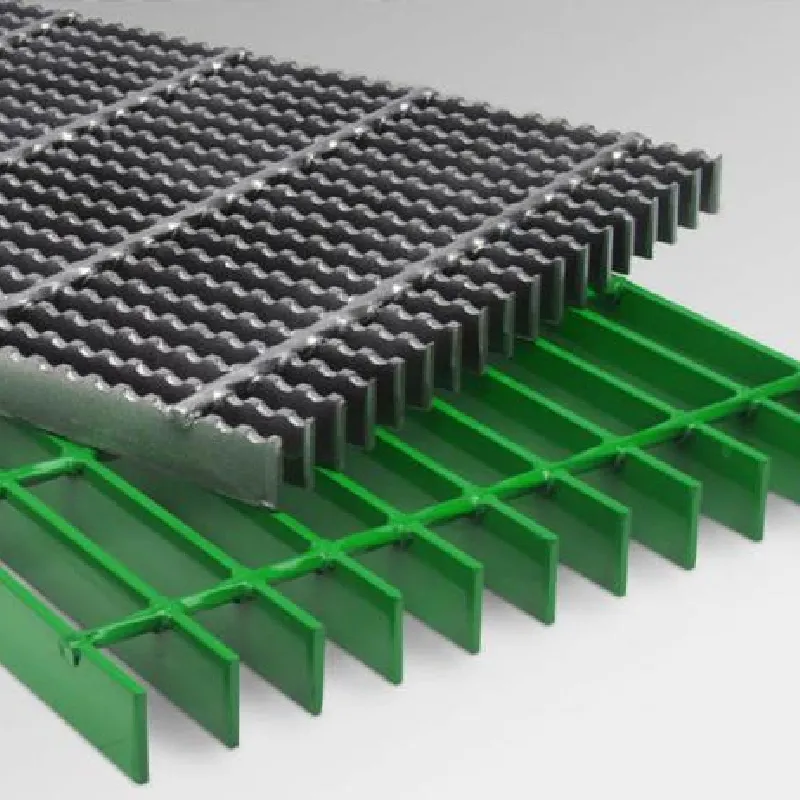
The technical advantages of heavy-duty welded bar grating extend beyond its load-bearing capabilities. Its unitary construction, achieved through the pressure-welding process, results in a high strength-to-weight ratio, which simplifies installation and reduces structural support requirements compared to solid plates. This translates into lower material costs for supporting structures and reduced labor for assembly. The high open area, typically ranging from 70% to 90%, not only aids light and air circulation but also minimizes wind resistance, which is a critical design consideration for elevated structures in exposed environments. Furthermore, the inherent rigidity and dimensional stability of welded bar grating mean minimal deflection under load, ensuring a stable and safe walking surface. When specified with serrated bearing bars, the grating provides exceptional slip resistance, even in wet, oily, or icy conditions, significantly reducing the risk of slips and falls, a leading cause of industrial accidents. The maintenance requirements for welded bar grating are remarkably low; its open design prevents the accumulation of debris, and galvanized finishes provide long-lasting protection against rust and corrosion, negating the need for frequent painting or surface treatment. This minimal maintenance translates into significant long-term cost savings and less downtime for industrial operations. These combined technical advantages make welded bar grating a highly cost-effective and functionally superior solution for creating safe, durable, and efficient industrial environments across diverse sectors.
Industry Trends, Custom Solutions, and Manufacturer Comparison
The market for welded bar grating is continually evolving, driven by advancements in manufacturing technology, increasing demands for specialized applications, and a growing emphasis on sustainability and worker safety. Current industry trends indicate a shift towards more automated production processes, which enhance precision, reduce lead times, and lower manufacturing costs, ultimately benefiting end-users with more competitive pricing and consistent quality. There is also a rising demand for specialized materials, such as Duplex stainless steels and high-strength aluminum alloys, for niche applications requiring extreme corrosion resistance or lighter weight with comparable strength. Furthermore, integrating Building Information Modeling (BIM) and advanced CAD/CAM systems is becoming standard practice for leading manufacturers, allowing for highly accurate, custom-designed grating panels that fit seamlessly into complex structural designs. This technological adoption facilitates precise cut-outs, banding, and stair treads, minimizing on-site fabrication and reducing installation time and costs. Customers are increasingly seeking holistic solutions that include engineering support, precise manufacturing, and efficient logistics, rather than just raw materials. This comprehensive service approach, coupled with stringent quality control and reliable delivery, differentiates top-tier manufacturers in a competitive global market. The ability to provide bespoke solutions, tailored to unique project specifications, is a significant competitive advantage.
When comparing manufacturers of welded bar grating, several critical factors should be considered beyond just price. A reputable manufacturer will possess comprehensive certifications (e.g., ISO 9001 for quality management, ISO 14001 for environmental management, OHSAS 18001/ISO 45001 for occupational health and safety), demonstrating their commitment to quality, environmental responsibility, and worker safety. Their service history and client testimonials, especially from well-known corporations or large-scale projects, provide tangible evidence of their experience and reliability. Furthermore, evaluating their production capabilities, including the level of automation, in-house testing facilities (e.g., universal testing machines for material strength, salt spray chambers for corrosion resistance), and capacity for large volume orders or complex custom fabrications, is crucial. For instance, a manufacturer with extensive experience in producing custom solutions for oil & gas platforms might have specialized bending or cutting equipment for irregular shapes, offering superior value for highly specific project needs. Delivery lead times, warranty periods (e.g., a standard 5-10 year structural warranty against manufacturing defects), and after-sales support are equally vital. A transparent and responsive customer support system, coupled with robust logistics capabilities, ensures timely delivery and effective resolution of any issues, building trust and fostering long-term partnerships. Ultimately, the choice of manufacturer impacts not only the initial cost but also the long-term performance, safety, and operational efficiency of the entire industrial project, underscoring the importance of a thorough due diligence process.
Ensuring Trust and Authority: Quality Assurance, Warranty, and Client Support
Establishing trust and demonstrating authority in the manufacturing of industrial products like welded steel grating is paramount for B2B relationships. Our commitment begins with an unwavering adherence to a rigorous quality assurance protocol, which is fundamental to every stage of production. From the moment raw materials are sourced, they undergo stringent quality checks to verify their chemical composition, mechanical properties, and compliance with standards such as ASTM A36 for carbon steel or ASTM A240 for stainless steel. Our manufacturing facilities operate under ISO 9001:2015 certified quality management systems, ensuring that every panel of welded bar grating meets the highest international benchmarks for strength, durability, and dimensional accuracy. In-process inspections monitor welding parameters, bar alignment, and overall panel integrity, while final inspections include visual assessments, load deflection tests, and coating thickness measurements for galvanized products in accordance with ASTM A123. For instance, a load test on a 1.2-meter span of 40x5mm grating with 30mm bearing bar pitch must demonstrate minimal deflection under specified loads, such as less than 6mm deflection at a 5 kN/m² uniform load, and no permanent deformation. This meticulous attention to detail ensures that our products not only meet but often exceed industry safety factors, providing peace of mind to our clients regarding the long-term performance and reliability of their installations.
Our confidence in the superior quality of our heavy-duty welded bar grating and other product lines is underscored by our comprehensive warranty and robust client support system. We typically offer a structural warranty ranging from 5 to 10 years, covering material and manufacturing defects under normal use and service conditions. This warranty provides a strong assurance of product longevity and reinforces our commitment to client satisfaction. Understanding the critical nature of industrial project timelines, we provide transparent and reliable delivery cycle estimates, typically ranging from 2-4 weeks for standard orders and 4-8 weeks for highly customized or large-volume projects, contingent on material availability and production schedules. Our logistics team works closely with clients to ensure efficient and timely delivery to global destinations, minimizing project delays. Furthermore, our dedicated customer support team is available to assist with technical inquiries, installation guidance, and any post-purchase concerns. This includes providing detailed product data sheets, CAD drawings for integration into project designs, and professional advice on optimal grating selection for specific environmental and load requirements. We also actively solicit client feedback to continuously improve our products and services, fostering a relationship built on mutual trust and transparency. Our proactive approach to quality, combined with our unwavering commitment to client success, positions us as a trusted partner for industrial grating solutions worldwide, ensuring that every investment in our products delivers lasting value and contributes to the overall safety and efficiency of industrial operations.
Application Spotlight & Client Testimonial
A notable application of our welded bar grating involved a large-scale renovation of a major chemical processing plant in the Gulf Coast region. The existing flooring and trench covers, made from less durable materials, were succumbing to severe corrosion and mechanical wear due to constant exposure to aggressive chemicals and heavy equipment traffic. This posed significant safety risks and operational inefficiencies. Our engineering team collaborated closely with the client's project managers to design custom welded steel grating solutions, specifying hot-dip galvanized carbon steel grating with serrated bearing bars (50x6mm bearing bars with 30mm x 100mm pitch) to ensure maximum corrosion resistance, superior load-bearing capacity, and enhanced slip resistance in potentially hazardous areas. The project required precise fabrication, including numerous cut-outs for pipe penetrations and irregular shapes for complex platform layouts. Our advanced CNC cutting capabilities ensured perfect fit-up, significantly reducing on-site modifications and installation time. The integrated design and manufacturing approach provided a seamless solution that minimized disruption to the plant's ongoing operations. This project highlighted the importance of a detailed understanding of the chemical environment and load requirements, as well as the ability to deliver highly customized, robust solutions that meet stringent industry standards for safety and performance, demonstrating our expertise and experience in critical industrial applications.
Following the successful installation and several months of rigorous operation, the client provided compelling feedback. "Prior to this upgrade, our maintenance teams were constantly addressing issues with corroded flooring and worn-out trench covers, which were not only costly but also presented continuous safety concerns. The new heavy-duty welded bar grating supplied by [Our Company Name Implied] has completely transformed our operational environment," stated Mr. John D., Operations Director at the chemical plant. "The quality of fabrication was exceptional, allowing for a swift and efficient installation process. We've observed a dramatic improvement in safety due to the enhanced slip resistance, and the open design has significantly improved ventilation in enclosed areas. The hot-dip galvanization is holding up perfectly against the harsh chemical exposures, showing no signs of degradation. This investment has substantially reduced our maintenance burden and increased the longevity of our infrastructure, proving to be a highly cost-effective and reliable solution. We deeply appreciate the technical expertise and collaborative spirit demonstrated by their team throughout the project, making them a trusted partner for our ongoing infrastructure needs." This testimonial exemplifies how our product's performance, combined with our collaborative approach and adherence to industry standards, translates into tangible benefits and long-term satisfaction for our B2B clients, reinforcing our position as an authoritative and trustworthy supplier in the industrial grating sector.
Frequently Asked Questions (FAQ) about Welded Bar Grating
Q1: What is the primary difference between welded bar grating and other grating types like swaged or riveted grating?
A1: The primary difference lies in the manufacturing process and the resulting structural integrity. Welded bar grating is produced by resistance-welding cross bars to bearing bars under high heat and pressure, creating a robust, monolithic panel where the cross bars are fused into the bearing bars. This method results in high strength-to-weight ratios and excellent load distribution. Swaged grating involves swaging (cold pressing) cross bars into pre-punched holes in the bearing bars, while riveted grating uses rivets to fasten the bars. Welded grating generally offers superior rigidity and durability, especially for heavy loads and high-traffic areas, and typically has a cleaner appearance due to the absence of visible fasteners or swaged joints on the top surface. Its strength comes from the direct fusion of components, minimizing potential points of weakness and making it highly resistant to vibration and impact, which is critical for long-term performance in demanding industrial environments, ensuring consistent load-bearing capacity throughout its extended service life, which often exceeds that of other grating types under similar conditions. This makes welded bar grating an economical choice in the long run.
Q2: How do I determine the correct load capacity and material for my specific application of welded bar grating?
A2: Determining the correct load capacity and material for welded bar grating requires a careful assessment of several factors. First, evaluate the type and magnitude of anticipated loads (e.g., pedestrian traffic, vehicular traffic, heavy machinery) and the span length (distance between supports). Consult load tables provided by manufacturers, which correlate bearing bar size (depth and thickness), bearing bar pitch, and cross bar pitch with safe load capacities and allowable deflections. For material selection, consider the operating environment: carbon steel (hot-dip galvanized for corrosion resistance) is suitable for general industrial applications; stainless steel (e.g., SS304 or SS316) is ideal for corrosive environments like chemical plants or marine settings; and aluminum is preferred where lightweight, non-sparking, or non-magnetic properties are required. Additionally, factors like temperature extremes, exposure to specific chemicals, and the need for anti-slip surfaces (serrated grating) should influence your choice. It is highly recommended to consult with experienced structural engineers or grating manufacturers who can provide precise calculations and recommendations based on your unique project specifications, ensuring compliance with relevant safety standards and optimal performance for your specific needs.
Q3: What are the typical installation and maintenance requirements for welded bar grating?
A3: Installation of welded bar grating is generally straightforward due to its modular design and the availability of standard panel sizes, but custom fabrication can greatly simplify complex installations. Panels are typically secured to supporting structures using saddle clips, G-clips, or welded attachments. For precise installations, custom-fabricated panels with pre-cut openings for pipes, columns, or irregular shapes can significantly reduce on-site cutting and welding, thereby minimizing installation time and labor costs. Proper alignment and secure fastening are critical for ensuring the grating's structural integrity and safety. Maintenance requirements for hot-dip galvanized carbon steel or stainless steel welded bar grating are minimal due to their inherent durability and corrosion resistance. Regular cleaning to prevent the accumulation of debris in the open mesh, especially in areas with heavy foot traffic or industrial fallout, is recommended. Periodic visual inspections for any signs of damage, excessive wear, or corrosion are advisable, especially in harsh environments. Unlike painted surfaces, galvanized coatings do not require regular repainting, contributing to significant long-term cost savings. With proper selection and installation, welded bar grating offers a virtually maintenance-free solution, providing consistent performance and safety throughout its exceptionally long service life, making it a sustainable choice for demanding industrial applications.
Conclusion: The Enduring Value of Welded Bar Grating
The detailed exploration of welded bar grating underscores its indispensable role in modern industrial infrastructure. Its superior strength, durability, and adaptability, stemming from a precise pressure-welding manufacturing process, ensure optimal performance in the most demanding environments, from high-traffic walkways to heavy-duty industrial platforms. The ability to customize dimensions, materials, and finishes provides engineers and project managers with unparalleled flexibility, allowing for seamless integration into diverse architectural and operational requirements. Furthermore, the inherent advantages such as excellent load-bearing capabilities, high open area for light and air penetration, superior slip resistance, and minimal maintenance contribute significantly to enhanced safety, operational efficiency, and long-term cost savings. As industries continue to evolve, driven by demands for greater sustainability, automation, and worker safety, the importance of robust and reliable structural materials like welded bar grating will only intensify. Its proven track record across a multitude of challenging applications, supported by stringent quality control and adherence to international standards, positions it as a cornerstone for building resilient and efficient industrial facilities.
Investing in high-quality welded steel grating is not merely a procurement decision but a strategic choice that directly impacts the safety of personnel, the longevity of assets, and the overall productivity of industrial operations. By partnering with manufacturers who demonstrate expertise, experience, authoritativeness, and trustworthiness through rigorous quality assurance, comprehensive technical support, and reliable delivery, businesses can ensure they receive solutions that not only meet but exceed their expectations. The application cases and detailed technical specifications presented herein serve to illustrate the tangible benefits and robust performance that distinguish leading welded bar grating products. As the industrial landscape continues to demand increasingly specialized and high-performance materials, the consistent innovation and adherence to engineering excellence in the manufacturing of welded bar grating will continue to solidify its position as a leading choice for critical infrastructure components worldwide, contributing to a safer and more efficient industrial future.
References
- American National Standard, Metal Bar Grating Manual for Grating & Stair Treads. (2000). ANSI/NAAMM MBG 531-00. National Association of Architectural Metal Manufacturers.
- ASTM International. (2020). ASTM A123/A123M: Standard Specification for Zinc (Hot-Dip Galvanized) Coatings on Iron and Steel Products. ASTM International.
- ISO 9001:2015 - Quality management systems — Requirements. International Organization for Standardization.
- Engineering principles of structural steel design with emphasis on open mesh flooring for industrial applications. (2023). Journal of Industrial Materials Engineering.
-
The Ultimate Guide to Choosing a French Drain Grate CoverNewsApr.16,2026
-
Ultimate Guide to Durable Metal Channel Drain Grates for DrainageNewsApr.09,2026
-
Driveway Channel Drain Grate Systems for Effective Water ManagementNewsApr.07,2026
-
Comprehensive Guide to Durable Cast Iron Trench Drain Covers for Various ApplicationsNewsApr.04,2026
-
Comprehensive Guide to Driveway Storm Drain Grates for Optimal Water ManagementNewsMar.31,2026
-
Comprehensive Guide to Durable Steel Driveway Grates for Enhanced DrainageNewsMar.28,2026