0%

Table of Contents

Honestly, the whole industry is going crazy for prefabrication right now. Everyone’s talking about modular construction, off-site manufacturing… it’s all the rage. But I’ve been on enough sites to know that “rage” doesn’t always mean “practical.” A lot of these designs look great on paper, all neat and tidy, but they completely ignore the realities of a muddy construction site and a crew working in the pouring rain.

Have you noticed how everyone’s obsessed with making things “lighter”? It's always 'lighter, faster, cheaper'. Which, sure, sounds good, but lighter often means flimsier. And trust me, when you're hoisting something 20 stories in the air, you want ‘substantial’, not ‘lightweight’. We spend so much time wrestling with materials that promise the world but can’t hold up to a good gust of wind. It’s frustrating.

And speaking of materials… let’s talk about steel pipe winding mesh. It’s become a staple, honestly. It's not glamorous, it smells like oil and metal shavings, and your hands get covered in grease just looking at it. But it’s tough. Really tough. It’s that high-strength steel wire, wound around those pipes… gives everything structure. I encountered a shipment at a factory in Tianjin last time that was surprisingly brittle – turns out the galvanizing was off. A real headache, that was.
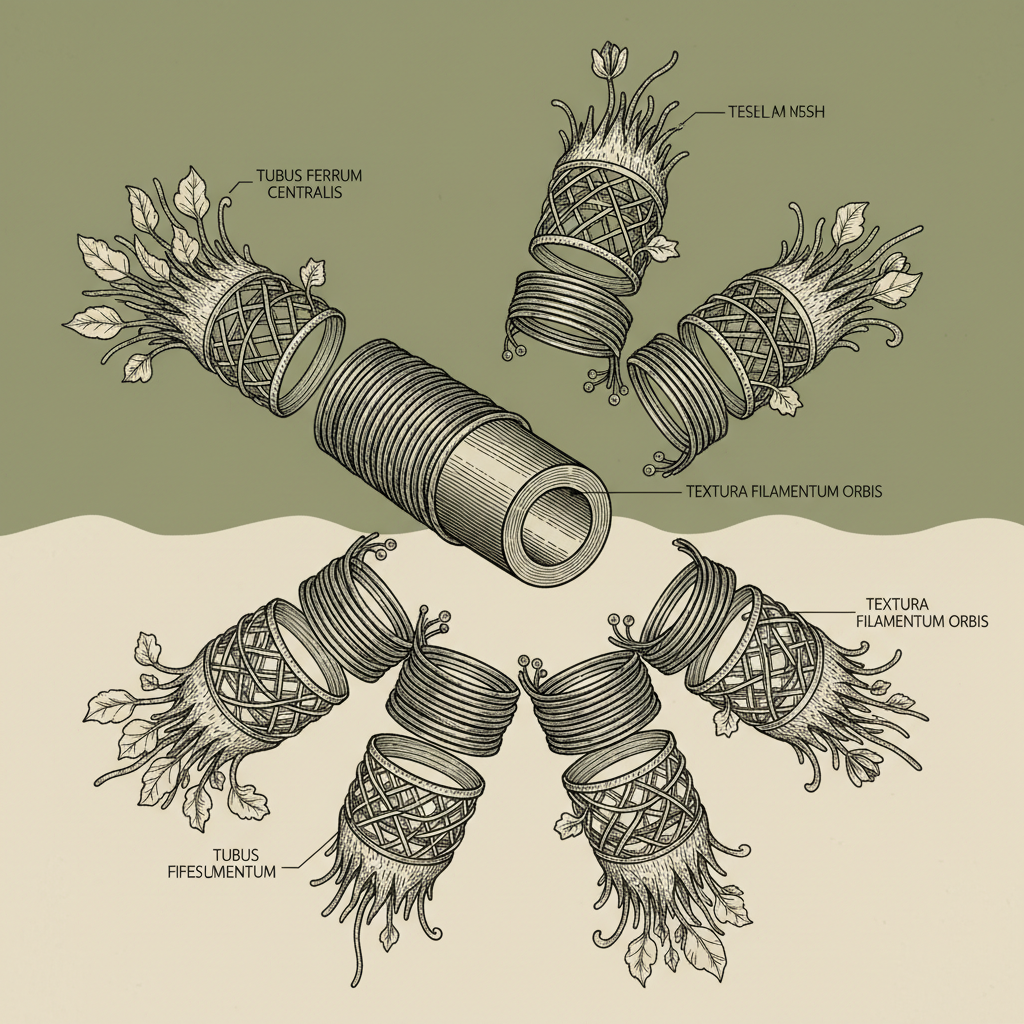
Understanding the Practical Applications of Steel Pipe Winding Mesh

The Current Landscape of steel pipe winding mesh
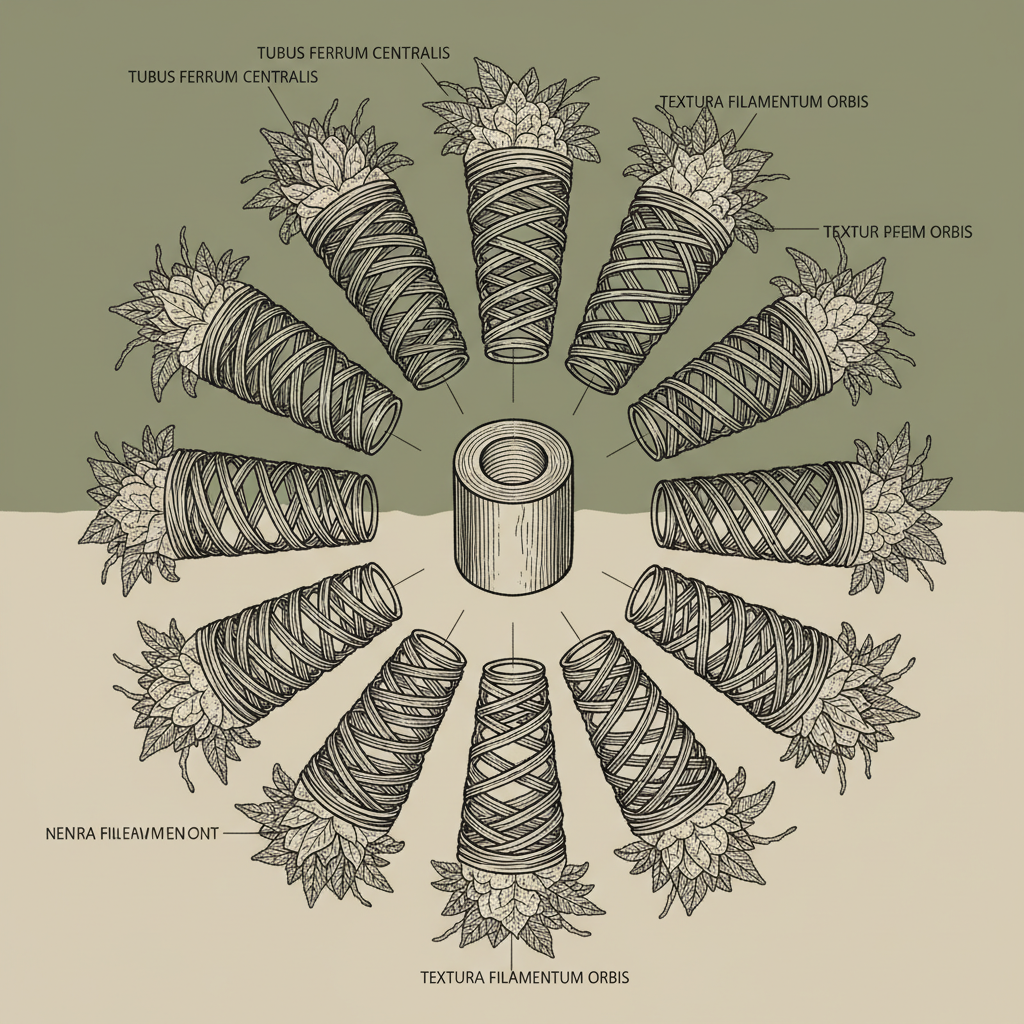
Understanding the Practical Applications of Steel Pipe Winding Mesh

Strangely enough, the demand for steel pipe winding mesh isn’t just from the usual suspects – oil and gas, construction. We’re seeing more requests from renewable energy projects, wind turbine foundations, that sort of thing. Seems like everything needs a strong base these days.

It's a global market, of course. A lot of it comes out of China, which isn’t necessarily a bad thing, but quality control can be… unpredictable. The ISO standards are supposed to help, but let’s be real, paperwork isn't the same as a hands-on inspection.

Common Design Pitfalls with steel pipe winding mesh

One thing I’ve seen repeatedly is engineers trying to cut corners on the winding density. They think they can get away with fewer wraps, less steel, save a few bucks. Big mistake. That’s where things start to fail. It's always about the long game, you know? And another thing, people underestimate the importance of the pipe surface preparation. If it’s rusty or dirty, the mesh won’t adhere properly, and you’re asking for trouble.

I've also seen designs that don't account for thermal expansion. Steel expands and contracts with temperature changes, and if the winding isn't flexible enough, it can crack or buckle. It sounds simple, but it’s easily overlooked.

Then there's the issue of corrosion protection. Galvanizing is good, but it's not foolproof. Especially in harsh marine environments, you need to consider additional coatings or cathodic protection. It's a whole can of worms, really.

Materials & Handling of steel pipe winding mesh

The steel itself is usually Q235 or similar, a fairly standard carbon steel. It’s the winding wire gauge that varies, depending on the application. Thicker wire for heavier loads, obviously. The wire has a bit of a natural oil coating to prevent rust during shipping and storage. It’s not a pleasant smell, I tell you.

Handling it is… a workout. You need gloves, definitely. And safety glasses. Those wire ends are sharp. We usually use specialized winding machines, but for smaller jobs, it’s still a manual process. It takes skill and a good pair of hands. You get a feel for how much tension to apply, how to keep the winding neat and consistent.

The pipes, of course, need to be clean and properly prepared. Sandblasting is the way to go, followed by a primer coat. We always double-check for any defects in the pipe material itself before we even start winding. No point in putting good steel on a bad pipe.

Real-World Testing & Application of steel pipe winding mesh

Forget the lab tests, honestly. The real test is seeing it on a project, under actual stress. We’ve done pull tests, naturally, but they don’t always tell the whole story. I’ve seen a mesh pass a lab test with flying colors, then fail miserably on site because of improper installation.

We often use ultrasonic testing to check the winding integrity after installation. It can detect voids or gaps in the mesh. And we do a lot of visual inspections, looking for any signs of corrosion or damage. It’s not glamorous, but it’s essential.

Steel Pipe Winding Mesh Application Performance


Advantages & Disadvantages of steel pipe winding mesh

The biggest advantage is strength, plain and simple. It adds a huge amount of structural support to pipes, especially when they're under pressure or stress. It’s also relatively cost-effective compared to other reinforcement methods. And it's quick to install, once you get the hang of it.

But it’s not perfect. It can be susceptible to corrosion if not properly protected. And it's not always the most aesthetically pleasing solution. We had a client once who wanted it hidden…that was a headache. Anyway, I think the biggest disadvantage is the potential for improper installation. It's not rocket science, but it requires attention to detail.

Customization Potential of steel pipe winding mesh

You can definitely customize it. We had a client, a robotics company, who needed a specific winding pattern for a pipeline they were building for a lunar rover. They wanted it to be incredibly lightweight but still able to withstand extreme temperatures. We had to experiment with different wire gauges and winding angles to get it just right. It was a fun challenge, actually.

We also do a lot of custom galvanizing – different coating thicknesses, different alloys. And we can pre-wrap the mesh onto pipes at the factory, saving our clients time and labor on site. It all depends on what they need.

A Customer Story Involving steel pipe winding mesh

Last month, that small boss in Shenzhen who makes smart home devices insisted on changing the interface to on a batch of conduit we were supplying. Said it looked “more modern.” Completely ignored the fact that his existing installation tools were all for USB-A. A total nightmare. We had to re-wind a whole shipment, and he ended up losing a week of production. He learned his lesson, though.

He also wanted the winding to be a specific shade of blue to match his brand color. That was… interesting. We had to find a specialized coating that wouldn’t compromise the corrosion resistance. It worked, eventually, but it wasn’t cheap.

The thing is, he wasn’t thinking about the practicalities. He was focused on aesthetics. That’s a common mistake. A beautiful design is useless if it doesn’t function reliably.

Summary of steel pipe winding mesh Performance Characteristics

Performance Aspect Typical Rating (1-10) Installation Complexity Long-Term Reliability
Tensile Strength 9 6 8
Corrosion Resistance 7 4 7
Flexibility 6 5 6
Cost-Effectiveness 8 7 7
Ease of Inspection 5 4 6
Customization Options 7 6 7

FAQS

What’s the minimum pipe diameter steel pipe winding mesh can be applied to?

That depends on the winding equipment and wire gauge, but generally, we can comfortably work with pipes 4 inches in diameter and larger. Anything smaller gets tricky, and you start running into issues with winding consistency and adequate mesh coverage. It’s a matter of getting enough wraps around the pipe without crushing the mesh.

How does temperature affect the performance of steel pipe winding mesh?

Temperature fluctuations cause the steel to expand and contract, which can induce stress on the winding. That’s why proper design and installation are crucial. You need to account for the thermal expansion coefficient of the steel and ensure the winding isn’t too tight. In extreme temperatures, you might also need to consider specialized coatings to prevent corrosion.

What’s the typical lifespan of a pipeline reinforced with steel pipe winding mesh?

It really varies depending on the environment and the quality of the installation. But with proper corrosion protection and regular inspections, you can easily get 20-30 years out of it. In some cases, even longer. It’s all about preventative maintenance.

Can steel pipe winding mesh be used on irregularly shaped pipes?

It’s more challenging, but it’s definitely possible. You’ll need to adjust the winding pattern and potentially use custom winding fixtures. It requires more skill and attention to detail, but it can be done. It’s not as straightforward as a standard cylindrical pipe, though.

What are the safety precautions when working with steel pipe winding mesh?

Wear gloves and safety glasses, always. The wire ends are sharp and can cause cuts. Use appropriate lifting equipment when handling heavy pipes with winding mesh. And make sure the work area is well-ventilated. Simple stuff, but important.

How does the winding tension affect the overall performance of the mesh?

Winding tension is critical. Too little tension, and the mesh won’t provide adequate support. Too much tension, and you risk damaging the pipe or the mesh itself. You need to find that sweet spot – enough tension to ensure proper adhesion, but not so much that it causes stress concentrations. Experience helps a lot with that.

Conclusion

Ultimately, steel pipe winding mesh is a robust and reliable solution for reinforcing pipelines. It's not a silver bullet, and it requires careful design, proper installation, and regular maintenance. But when done right, it can significantly extend the lifespan of a pipeline and ensure its safe and efficient operation. There's a lot of talk about new materials and technologies, but this stuff still holds up.

And really, whether this thing works or not, the worker will know the moment he tightens the screw. If it feels solid, if it looks right… that’s a good sign. Trust your gut, and don’t be afraid to ask questions. That’s my advice, after years of getting my hands dirty on construction sites.

Robert Harrison

Robert Harrison

Robert Harrison is a Senior Metallurgical Engineer at Hangshun Wire Mesh, bringing over 15 years of experience in materials science and wire mesh production. He's instrumental in ensuring the quality of our pipe coating welded mesh, specifically focusing on corrosion resistance and adherence to international standards like ASTM. Robert is
Previous Optimizing Infrastructure with Durable Concrete Weight Coating Mesh Solutions
Next Expert Insights from a Steel Grating Company on Prefabrication and Material Quality