- Industrial zone, South of Anping Town, Hengshui, Hebei, China.
- sales@hfpetromesh.com
- +86-18931809706
Shale Shaker Screen for Sale—OEM Fit, Long Life: Need It?
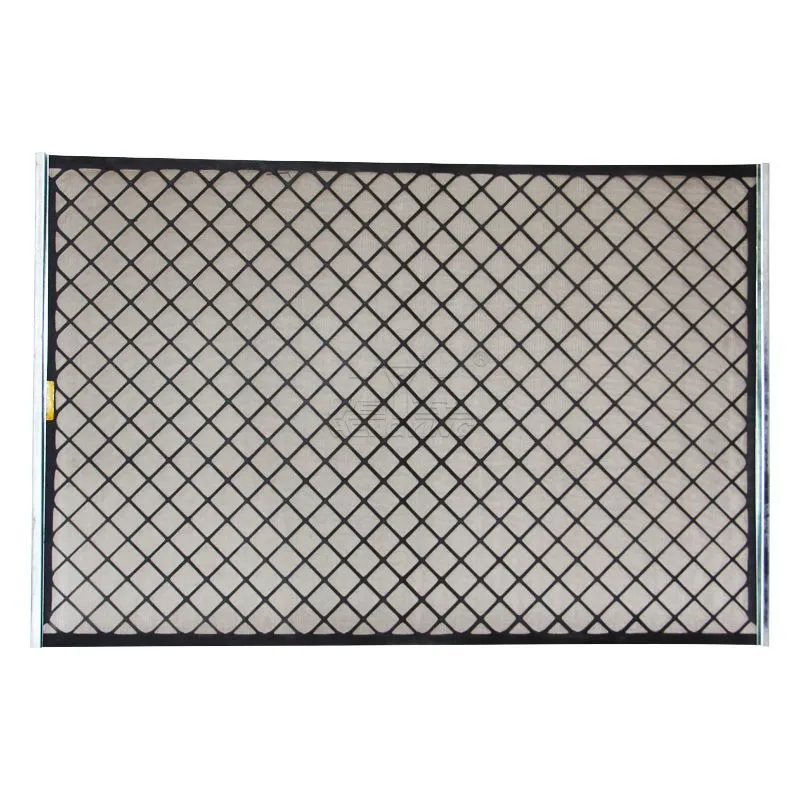
Hook Strip Soft Screen: a practical shale shaker screen that crews actually like
I’ve stood on enough shaker houses to know the difference between a screen that “should” work and one that really does. This Hook Strip Soft Screen comes out of the industrial zone south of Anping (Hengshui, Hebei, China)—a place that quietly supplies half the world’s wire mesh. It’s built for filtering drilling mud and fluids, sure, but more importantly it lets you push ROP without babying the solids control system. Many customers say it runs cleaner and lasts longer than they expected—always nice when field gossip turns out true.
What’s trending on the rigs
Screens are being pushed to finer API designations, higher conductance, and faster swaps. Crews want reliable hooks, soft screen surfaces that won’t dent easily, and honest API labeling. To be honest, the price pressure is real—but downtime is pricier. That’s why a shale shaker screen that maintains cut quality for longer runs matters more than a marginal saving.
Product snapshot and specs
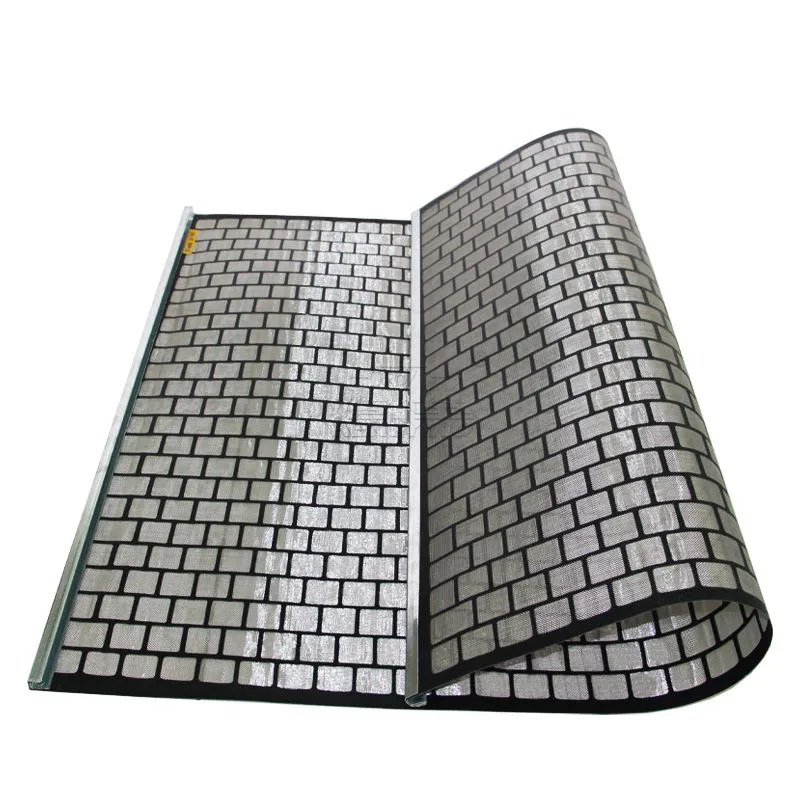
Soft-surface, hook-strip panel for primary shakers. Built for oil & gas, geothermal, HDD, and mining cleanup lines. Below are typical values from factory files and yard tests (real-world use may vary):
| API designation range (RP 13C) | API 20–API 325 (D100 ≈ 780 μm down to ≈ 44 μm) |
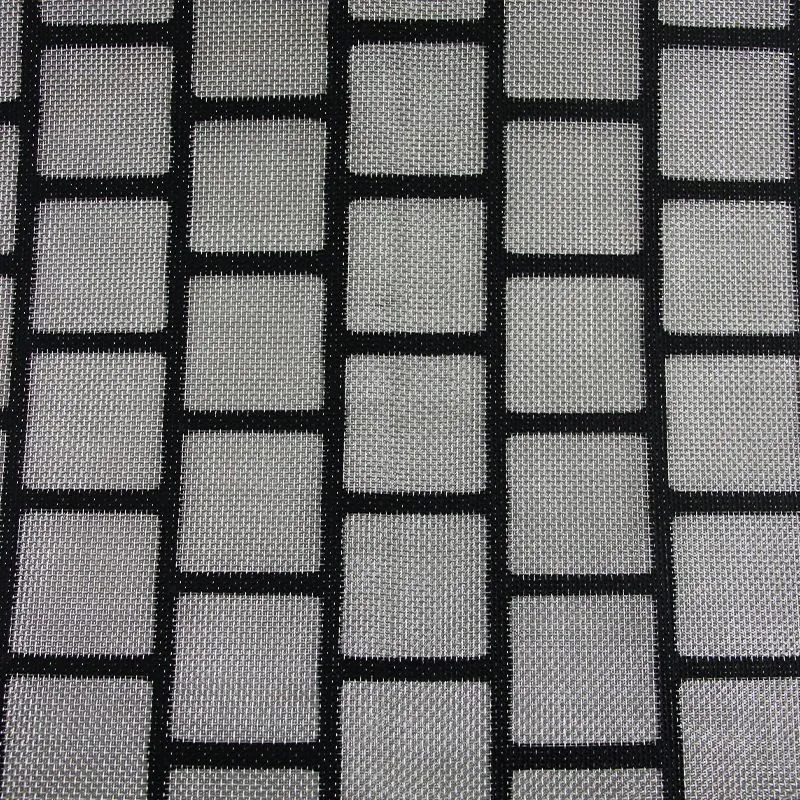
| Wire material | SS304 / SS316 (support mesh: high-tensile SS) |
| Layers | 2–3 ply, soft screen surface for high conductance |
| Typical panel sizes | ≈ 585×1165 mm, 635×1250 mm, or custom per shaker model |
| Conductance (kD/mm) | Varies by API; e.g., API 120 ≈ 0.8–1.1 (lab), field may be lower |
| Non-blanked area | Optimized hook strip; screen-to-frame ratio tuned for flow |
| Service life | Commonly 120–280 hours on water-based; ≈ 80–180 on oil-based (abrasive dependent) |
How it’s made (and tested)
- Materials: SS304/316 wire cloth, layered with a fine top mesh and robust support mesh; hook strips with treated anti-slip edges.
- Methods: calibrated mesh weaving, soft-bond lamination, precision forming of hook strips; adhesive systems tuned for heat and oil exposure.
- Testing: API RP 13C compliance—D100 cut point, conductance, non-blanked area; salt-spray per ASTM B117 for corrosion screening; flatness and hook integrity checks.
- Certifications: ISO 9001; API RP 13C labeling protocol followed; batch traceability maintained.
Where it fits and why it helps
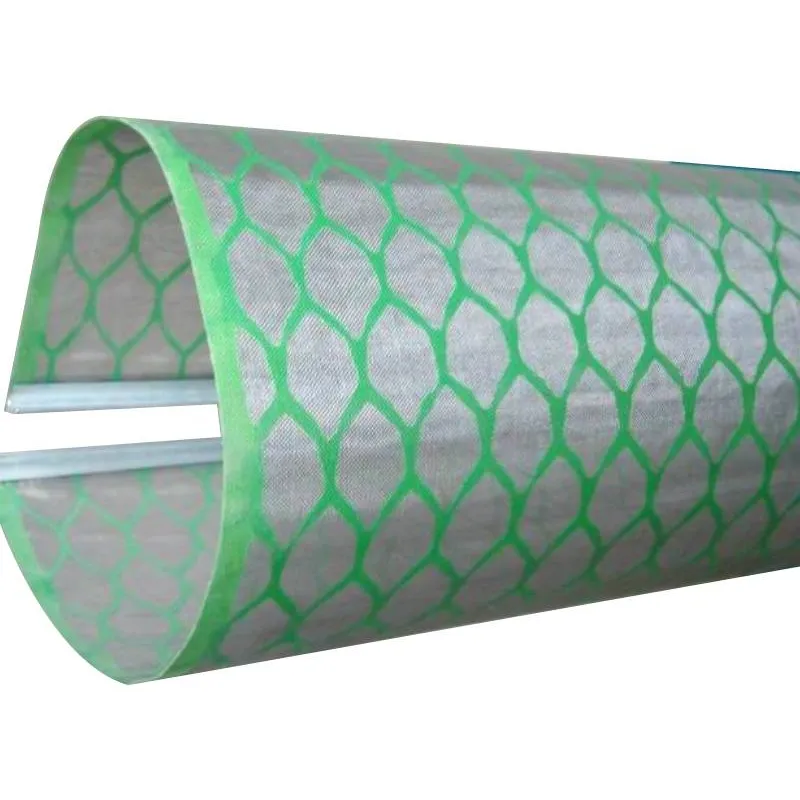
Suitable for oil & gas drilling, geothermal wells, HDD river crossings, and mining dewatering lines. The soft surface helps resist denting from surprise cuttings. Operators tell me it holds cut point steady longer, so your shale shaker screen doesn’t “open up” mid-run and flood the desilters.
Quick case notes
Middle East jack-up: swapping to API 140 soft screens cut dilution ≈ 9% and extended panel life from ~4 to ~6 days. West Texas pad: on a sticky WBM, API 100 panels held D100 ≈ 165 μm for two bit runs—surprisingly steady given the solids loading.
Vendor snapshot (real-world differences)
| Vendor | Screen type | Typical lead time | Certs/Standards | Notes |
|---|---|---|---|---|
| HF Petromesh (Anping) | Hook Strip Soft Screen | ≈ 7–15 days | API RP 13C, ISO 9001 | Good price-to-life ratio; flexible custom sizes |
| Brand A | Composite frame | ≈ 10–20 days | API RP 13C | Lightweight; higher list price |
| Brand B | Steel frame | Stock-dependent | API RP 13C | Rugged, a bit heavier; good for abrasive runs |
Customization and ordering
- API cut point from 20 to 325.
- SS304/SS316, 2–3 layers, edge gaskets, color-coded tags.
- Fitment: match to shaker make/model; drawings welcome.
- MOQ around 20–50 panels; express crates for urgent wells.
Bottom line: if you need a steady-cut, soft-surface shale shaker screen that hits API labeling and survives real mud, this Anping-built option is worth a trial run. I guess the only risk is you’ll end up standardizing on it.
- API RP 13C: Recommended Practice on Drilling Fluids Processing Systems – Shale Shaker Screen Labeling and Testing.
- ISO 13501:2011 Petroleum and natural gas industries — Drilling fluid processing equipment — Shale shaker screens.
- IADC Drilling Manual, Solids Control chapter, latest edition.
- ASTM B117: Standard Practice for Operating Salt Spray (Fog) Apparatus.
-
The Ultimate Guide to Choosing a French Drain Grate CoverNewsApr.16,2026
-
Ultimate Guide to Durable Metal Channel Drain Grates for DrainageNewsApr.09,2026
-
Driveway Channel Drain Grate Systems for Effective Water ManagementNewsApr.07,2026
-
Comprehensive Guide to Durable Cast Iron Trench Drain Covers for Various ApplicationsNewsApr.04,2026
-
Comprehensive Guide to Driveway Storm Drain Grates for Optimal Water ManagementNewsMar.31,2026
-
Comprehensive Guide to Durable Steel Driveway Grates for Enhanced DrainageNewsMar.28,2026