- Industrial zone, South of Anping Town, Hengshui, Hebei, China.
- sales@hfpetromesh.com
- +86-18931809706
Perimeter Net: Durable Safety Netting for Helipads & Sites
The Imperative of Advanced Perimeter Netting in Critical Infrastructure
In high-stakes environments such as offshore platforms, urban hospitals, and maritime vessels, the safety of personnel and the security of operations hinge on robust protective measures. A critical component in these safety protocols is the perimeter net. These specialized netting systems are engineered to prevent falls, contain debris, and establish secure boundaries, particularly around elevated areas and operational zones. Among the most vital applications is the chain link helipad perimeter safety netting, a solution specifically designed to mitigate risks associated with helicopter operations. This article delves into the technical intricacies, application benefits, and strategic considerations for deploying state-of-the-art perimeter net solutions, highlighting their indispensable role in modern industrial safety.
Industry Trends in Advanced Safety Netting
The demand for superior perimeter netting is accelerating, driven by stringent regulatory frameworks, increasing operational complexity, and a heightened focus on occupational safety. Key trends include:
- Material Innovation: Evolution towards high-strength alloys, advanced polymer coatings, and composite materials that offer enhanced durability, corrosion resistance, and UV stability, extending the service life of perimeter safety net systems.
- Smart Integration: Emerging solutions integrate sensors for structural integrity monitoring, stress detection, and even environmental condition assessments, providing real-time data for proactive maintenance and compliance.
- Modular and Customizable Designs: A shift towards modular systems that allow for easier installation, maintenance, and adaptation to diverse structural requirements, reducing downtime and installation costs.
- Regulatory Harmonization: Increased global efforts to standardize safety netting specifications and testing protocols, ensuring interoperability and consistent safety levels across international operations, particularly critical for helipad safety.
These trends collectively underscore a move towards more intelligent, resilient, and compliant safety solutions, with chain link helipad perimeter safety netting being a prime example of such an evolution.
Technical Specifications of Chain Link Helipad Perimeter Safety Netting
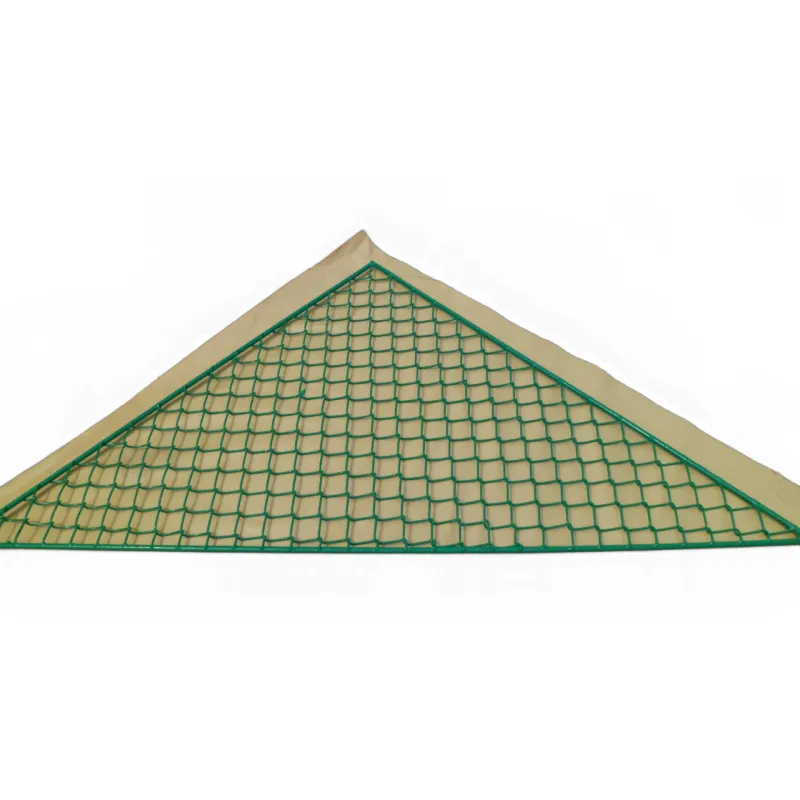
The efficacy of a perimeter net, especially for helipad applications, is directly tied to its technical specifications and adherence to rigorous standards. High-performance chain link helipad perimeter safety netting systems are engineered to withstand extreme environmental conditions and significant mechanical stresses.
| Parameter | Specification | Compliance Standards |
|---|---|---|
| Material Composition | High-grade galvanized steel wire (ASTM A123/A123M), optional PVC coating (ASTM F668) | ASTM A123, ASTM F668, ISO 9001 |
| Wire Gauge | 9 gauge (3.76mm) to 6 gauge (4.88mm) typically | ASTM A641 |
| Mesh Aperture | 50mm x 50mm (2 inch x 2 inch) to 75mm x 75mm (3 inch x 3 inch) | ASTM F567 |
| Tensile Strength (Wire) | Minimum 450 N/mm² (MPa) | ASTM A641 |
| Corrosion Resistance | Excellent (Hot-dip galvanized, Salt spray tested for 1000+ hours) | ASTM B117, ISO 9227 |
| Temperature Range | -40°C to +70°C | OEM Standard Testing |
| Expected Service Life | 20+ years in typical conditions (galvanized), 10-15 years (PVC coated) | Industry benchmarks, accelerated aging tests |
These specifications ensure that the perimeter netting performs reliably under the demanding conditions characteristic of helipad environments, providing robust fall protection and debris containment.
Manufacturing Process of Perimeter Netting
The production of high-quality perimeter net systems involves a meticulously controlled process, from raw material selection to final quality assurance. This ensures that the finished product meets the stringent safety and performance requirements of target industries such as petrochemical, metallurgy, and aviation.
- Wire Drawing and Material Preparation: High-carbon steel rods are drawn through a series of dies to achieve the desired wire gauge (e.g., 9-gauge). This process enhances the wire's tensile strength and ductility. For corrosion resistance, the wire undergoes thorough cleaning and surface preparation, often involving pickling to remove impurities.
- Galvanization (Corrosion Protection): The prepared steel wire is hot-dip galvanized by passing it through molten zinc. This creates a metallurgical bond, forming a durable, corrosion-resistant coating that adheres to ASTM A123/A123M standards, providing sacrificial and barrier protection against rust and environmental degradation. This is crucial for applications in coastal or offshore environments.
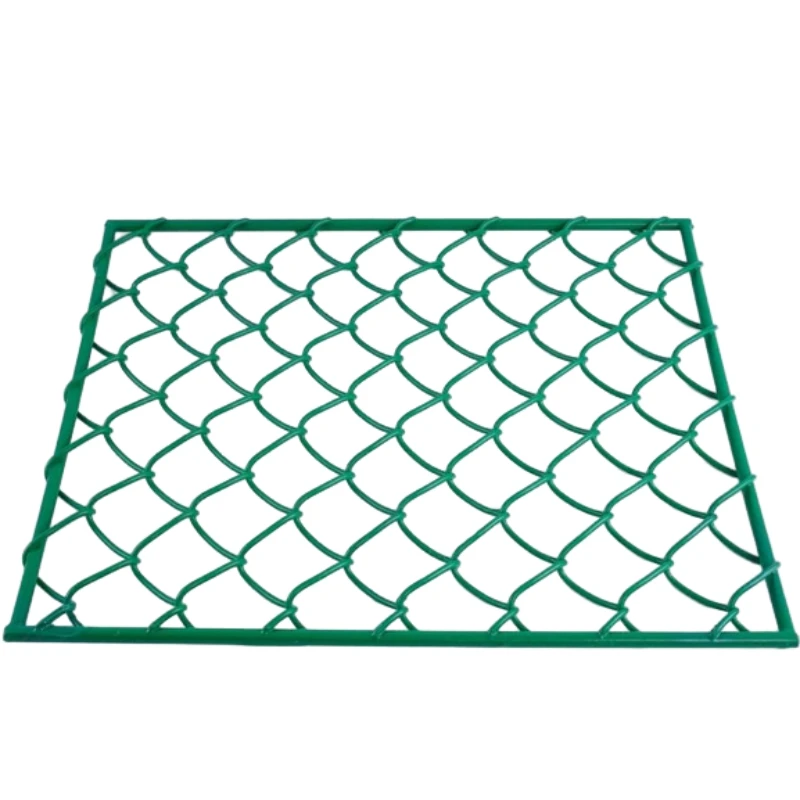
- Weaving/Knitting (Mesh Formation): The galvanized wire is then fed into automated chain-link weaving machines. These machines twist and interlock adjacent wires to form the characteristic diamond-shaped mesh pattern of the perimeter netting. Precision CNC controls ensure consistent mesh aperture and tension across the entire net, critical for uniform strength and energy absorption.
- Optional PVC Coating: For enhanced aesthetic appeal, additional corrosion protection, and UV resistance, the galvanized mesh can be further coated with a thick layer of polyvinyl chloride (PVC) through an extrusion process. This coating adheres to ASTM F668, significantly extending the service life and making the netting suitable for highly corrosive or visually sensitive environments.
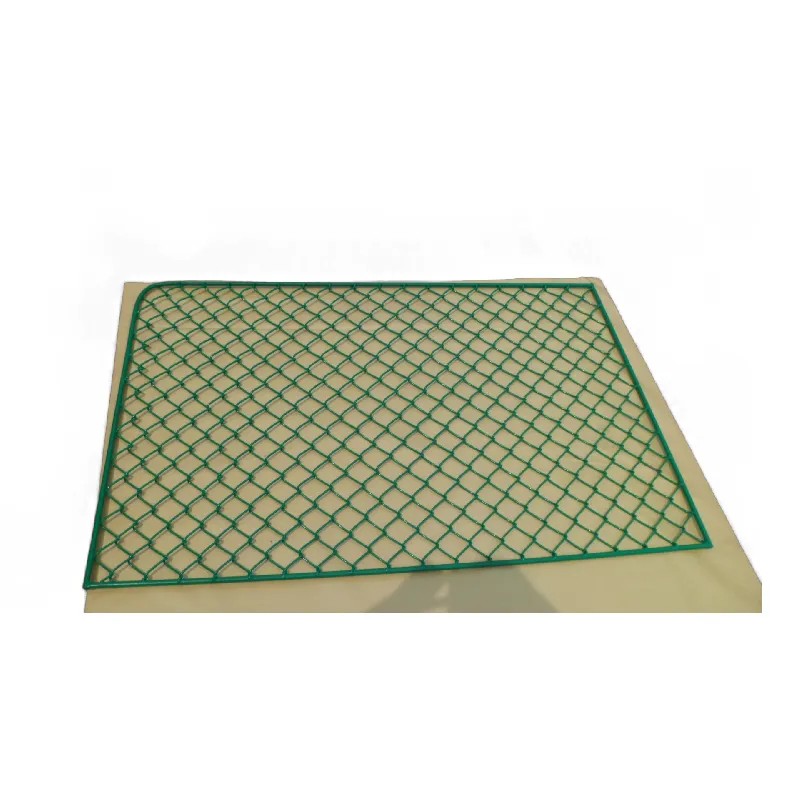
- Framing and Edge Reinforcement: The woven mesh panels are cut to specified dimensions and reinforced with heavy-gauge frame wires or tubular frames around the perimeter. This framing is typically secured via lacing wire, hog rings, or welding, creating a robust, tensioned border that maintains the net's structural integrity. This stage ensures the net can be securely attached and properly tensioned during installation.
- Quality Control and Testing: Each finished perimeter safety net undergoes rigorous quality assurance. Tests include wire tensile strength, coating thickness, mesh aperture uniformity, panel dimensions, and overall structural integrity. Batch testing for salt spray resistance (ASTM B117) and UV exposure is also conducted to ensure compliance with service life expectations and industry standards like ISO and ANSI.
- Packaging and Shipment: Completed nets are carefully inspected, rolled or folded, and packaged to prevent damage during transit. Specific project documentation, including material certifications and test reports, accompanies each shipment.
This meticulous process guarantees that the chain link helipad perimeter safety netting delivered is of the highest quality, offering superior corrosion resistance and energy-absorbing capabilities essential for critical applications. The rigorous adherence to ISO 9001 quality management ensures consistency and reliability, leading to a long service life, typically exceeding 15-20 years for galvanized options.
Application Scenarios and Industry Impact
The primary application of advanced perimeter net systems, particularly chain link helipad perimeter safety netting, is to establish robust safety barriers in environments where elevated operations or a risk of falling objects exist.
- Helipads (Onshore and Offshore): Essential for preventing personnel and equipment from falling off the helipad deck, especially during rotor wash, strong winds, or emergency situations. Complies with ICAO (International Civil Aviation Organization) and FAA (Federal Aviation Administration) guidelines for helipad safety.
- Oil and Gas Platforms: Providing critical fall protection around drilling rigs, production decks, and living quarters. The corrosion-resistant properties of galvanized and PVC-coated perimeter netting are crucial in harsh marine environments.
- Commercial and Residential High-Rises: Utilized during construction to contain debris and protect workers from falls. Post-construction, it can be integrated into rooftop safety systems.
- Bridges and Infrastructure Projects: Employed as temporary or permanent barriers to prevent falling objects and enhance worker safety during maintenance or new construction.
- Industrial Facilities: Securing elevated walkways, machinery perimeters, and conveyor systems in sectors such as petrochemicals, metallurgy, and manufacturing.
The deployment of these nets significantly reduces incident rates, enhances operational efficiency by minimizing safety-related delays, and ensures compliance with the most rigorous safety standards, thereby protecting both human capital and critical assets.
Technical Advantages of Our Perimeter Net Solutions
Our advanced perimeter net solutions stand out due to a combination of superior material science, engineering precision, and rigorous testing.
- Exceptional Corrosion Resistance: Utilizing hot-dip galvanization (minimum 2 oz/ft² zinc coating) combined with optional marine-grade PVC coating, our chain link helipad perimeter safety netting offers unparalleled protection against rust and chemical degradation, crucial for offshore and coastal applications. This translates to extended service life and reduced maintenance.
- High Tensile Strength & Impact Absorption: Engineered from high-tensile steel wire, the netting is designed to absorb significant impact energy, effectively containing falling objects or arresting personnel falls without catastrophic failure. This energy-saving characteristic is paramount in high-risk environments.
- UV Stability and Weather Resistance: PVC-coated options incorporate UV inhibitors to prevent degradation from prolonged sun exposure, ensuring color stability and material integrity over decades. The robust construction withstands extreme temperatures, winds, and precipitation.
- Ease of Installation and Low Maintenance: Our modular designs and precise fabrication facilitate quicker installation, minimizing project timelines and labor costs. The durable finishes require minimal upkeep, offering a cost-effective long-term safety solution.
- Regulatory Compliance: All products are manufactured to meet or exceed international standards, including ASTM, ISO, ANSI, and relevant aviation safety guidelines (e.g., ICAO Annex 14, FAA AC 150/5390-2B), ensuring full compliance for helipad installations.
- Enhanced Visibility: The open mesh design allows for excellent visibility through the barrier, which is essential for pilots during landing and takeoff, and for personnel monitoring the helipad area.
These advantages collectively contribute to a superior safety system, offering peace of mind and operational security for critical infrastructure.
Vendor Comparison: Choosing the Right Perimeter Netting Partner
Selecting a supplier for perimeter netting is a critical decision that impacts safety, compliance, and long-term cost of ownership. Key factors for comparison include material quality, manufacturing precision, customization capabilities, certifications, and after-sales support.
| Feature/Criteria | Premium Provider (e.g., HF PetroMesh) | Standard Provider | Budget Provider |
|---|---|---|---|
| Material Quality (Wire) | High-carbon, commercial grade steel, precise gauge control | Standard commercial grade steel | Lower grade steel, variable gauge |
| Corrosion Protection | Hot-dip galvanized (2 oz/ft²), optional marine-grade PVC (ASTM F668) | Electro-galvanized or light hot-dip galvanized | Minimal galvanization, often painted |
| Manufacturing Precision | Automated weaving, CNC control, consistent mesh aperture | Semi-automated, some variation in mesh | Manual weaving, inconsistent mesh & dimensions |
| Compliance/Certifications | ISO 9001, ASTM, ICAO/FAA-compliant designs, full test reports | Basic ASTM, some self-certification | Minimal or no independent certification |
| Customization Capabilities | Extensive: dimensions, materials, coatings, attachment systems | Limited standard options | Very limited, off-the-shelf products |
| Warranty & Support | Comprehensive 10+ year warranty, dedicated technical support | 1-5 year limited warranty, basic support | No or very short warranty, minimal support |
| Target Service Life | 20+ years (galvanized), 10-15 years (PVC coated) | 5-10 years | 2-5 years |
This comparison highlights that while budget options exist, they often compromise on critical safety features, durability, and compliance. For B2B applications, especially in aviation and industrial sectors, investing in a premium perimeter safety net provider ensures long-term reliability and adherence to the highest safety standards.
Customized Solutions for Unique Challenges
Recognizing that no two projects are identical, our approach to perimeter net design emphasizes flexibility and customization. We provide tailored solutions for complex structural geometries and environmental conditions.
- Dimension and Configuration: Exact panel dimensions, corner details, and integration with existing structures are custom-fabricated to ensure a seamless fit, particularly for irregular helipad shapes or specific platform layouts.
- Material and Coating Selection: Beyond standard galvanized and PVC-coated options, specialized alloys or coating thicknesses can be specified for extreme corrosive environments or specific load-bearing requirements.
- Attachment Systems: Custom-engineered mounting brackets, tensioning systems, and quick-release mechanisms are designed to integrate with diverse structural materials (steel, concrete, aluminum) and operational needs.
- Performance Optimization: For sites requiring enhanced bird deterrence or specific visual properties, mesh apertures and wire gauges can be adjusted without compromising structural integrity or safety.
This bespoke approach ensures that each chain link helipad perimeter safety netting solution is optimally suited to its environment, delivering maximum safety and longevity.
Application Case Studies
Real-world deployments demonstrate the tangible benefits of high-quality perimeter netting.
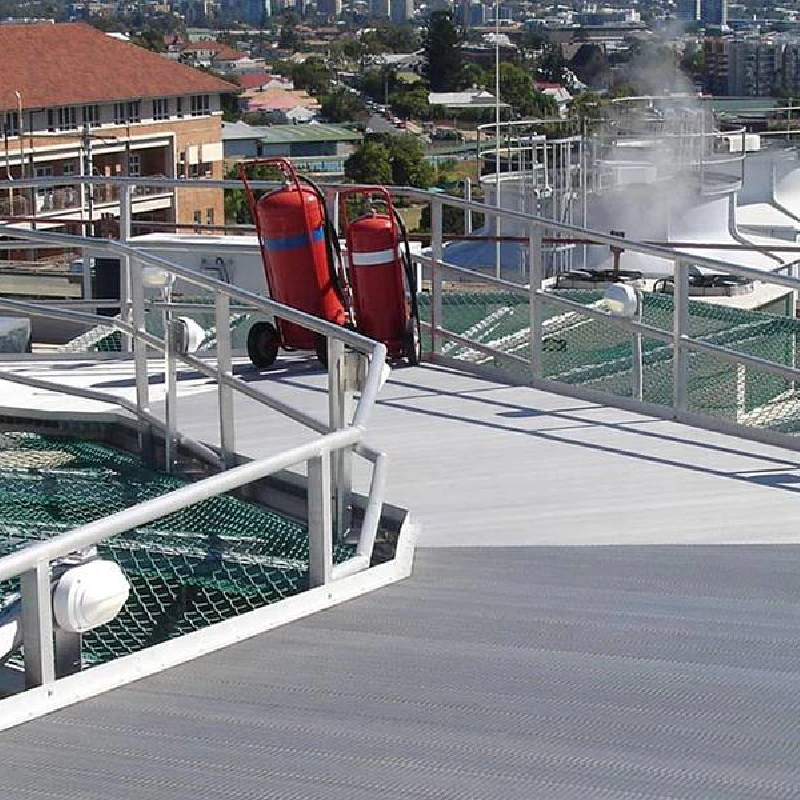
- Offshore Oil Rig Helideck Upgrade (Gulf of Mexico): A major energy corporation required upgrading its helideck safety systems to meet updated maritime and aviation regulations. Our team engineered and supplied custom-fabricated, heavy-gauge, hot-dip galvanized chain link helipad perimeter safety netting designed to withstand hurricane-force winds and extreme corrosive conditions. The solution included specialized quick-release clamps for emergency access. Result: Zero safety incidents related to perimeter falls or debris over 5 years, exceeding expected service life and regulatory compliance.
- Urban Hospital Rooftop Helipad (Major Metropolitan Area): A leading medical center needed a robust perimeter net for its new rooftop helipad to ensure patient and personnel safety while maintaining aesthetic integrity. We provided PVC-coated perimeter netting in a custom color, offering both high visibility and superior UV resistance. The installation was completed without disrupting hospital operations, and the netting has performed flawlessly, absorbing impact from equipment during high winds and preventing accidental falls, as confirmed by quarterly safety audits.
- Industrial Complex Fall Protection (Chemical Processing Plant): An expansion project at a chemical plant necessitated fall protection around new elevated walkways and equipment platforms. Standard railings were impractical due to operational clearances. Our specialized perimeter netting, with enhanced chemical-resistant PVC coating, was installed. The flexible, yet strong, netting provided essential fall arrest capabilities and containment for small tools, significantly improving worker safety during maintenance routines and ensuring compliance with OSHA (Occupational Safety and Health Administration) guidelines.
These cases underscore the versatility and critical safety function of purpose-built perimeter netting in diverse and demanding environments.
Trustworthiness: FAQ, Lead Time, Warranty & Support
Frequently Asked Questions (FAQs)
A: Our hot-dip galvanized perimeter netting typically offers a service life of 20+ years under normal conditions. With an additional PVC coating, this can be extended, particularly in harsh coastal or industrial environments, often reaching 10-15 years for the coating's integrity.
A: Absolutely. We specialize in custom solutions. Our engineering team works closely with clients to design perimeter netting that precisely fits unique dimensions, adapts to varying structural attachment points, and accommodates specific operational needs, ensuring optimal safety and integration.
A: Our chain link helipad perimeter safety netting is designed and manufactured to meet or exceed international standards including ASTM (e.g., A123, F668, F567), ISO 9001 for quality management, and relevant aviation guidelines from ICAO (International Civil Aviation Organization) and FAA (Federal Aviation Administration).
A: We primarily use hot-dip galvanized steel wire, providing a thick, durable zinc coating that resists rust. For additional protection in highly corrosive marine or industrial settings, an external marine-grade PVC coating can be applied, offering a dual-layer defense against salt spray and chemical exposure.
Lead Time and Fulfillment
Our standard lead time for perimeter net orders typically ranges from 4 to 8 weeks, depending on the complexity of customization and order volume. For urgent projects, expedited manufacturing and shipping options are available upon request. We maintain a robust supply chain and efficient production processes to ensure timely delivery and project completion. Clients receive detailed project timelines and regular updates throughout the manufacturing and logistics phases.
Warranty Commitments
We stand behind the quality and durability of our chain link helipad perimeter safety netting. All our products come with a comprehensive 10-year warranty against manufacturing defects and premature corrosion for galvanized components. PVC coatings are typically warranted for 5 years against significant degradation. Specific warranty details are provided with each project proposal, offering our clients peace of mind and demonstrating our commitment to long-term performance.
Customer Support and After-Sales Service
Our dedication to client satisfaction extends beyond product delivery. We offer extensive after-sales support, including technical assistance for installation, maintenance guidelines, and troubleshooting. Our dedicated support team is available during business hours to address any inquiries or concerns, ensuring the sustained performance and safety of your perimeter safety net system throughout its operational life.
References
- International Civil Aviation Organization (ICAO). Annex 14 – Aerodromes, Volume II: Heliports.
- Federal Aviation Administration (FAA). Advisory Circular (AC) 150/5390-2C: Heliport Design.
- ASTM International. Standards for Steel Wire, Chain Link Fencing, and Coatings.
- ISO 9001:2015 - Quality Management Systems - Requirements.
- Occupational Safety and Health Administration (OSHA). General Industry and Construction Standards for Fall Protection.
-
The Ultimate Guide to Choosing a French Drain Grate CoverNewsApr.16,2026
-
Ultimate Guide to Durable Metal Channel Drain Grates for DrainageNewsApr.09,2026
-
Driveway Channel Drain Grate Systems for Effective Water ManagementNewsApr.07,2026
-
Comprehensive Guide to Durable Cast Iron Trench Drain Covers for Various ApplicationsNewsApr.04,2026
-
Comprehensive Guide to Driveway Storm Drain Grates for Optimal Water ManagementNewsMar.31,2026
-
Comprehensive Guide to Durable Steel Driveway Grates for Enhanced DrainageNewsMar.28,2026