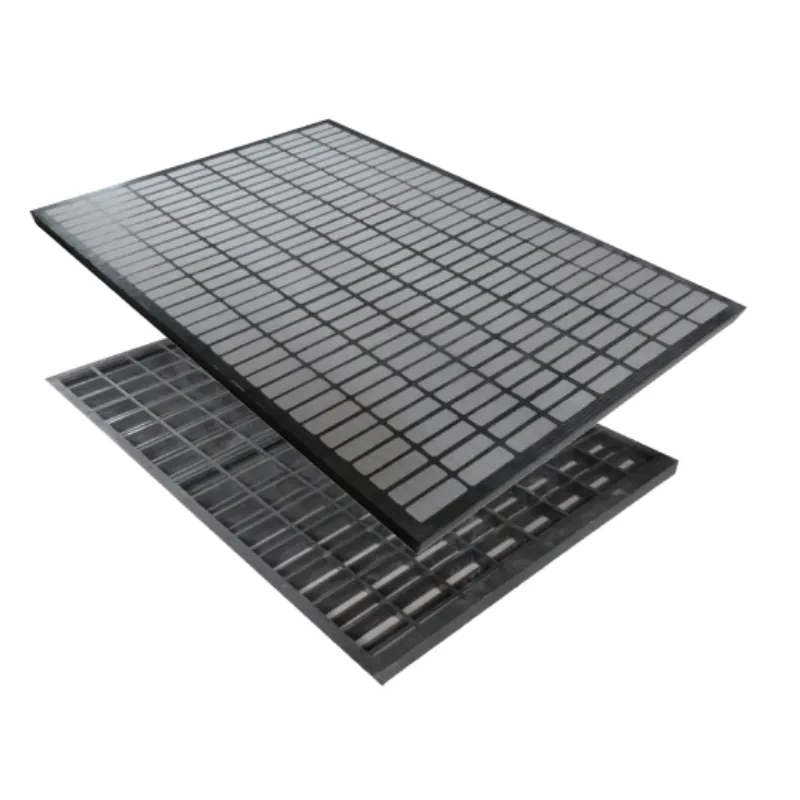
High Load Riveted Bar Grating from a Steel Grating Company
Selecting the right industrial flooring requires a balance between load-bearing capacity and environmental resilience. Riveted gratings, often referred to as riveted bar gratings, provide a specialized solution for high-stress environments where impact resistance and fatigue strength are non-negotiable. Unlike standard welded options, the cold-press riveting process secures straight bearing bars to crimped rectangular flat bars, creating a mechanical bond that excels under repetitive heavy loads.
For engineers and procurement specialists, these products offer a versatile alternative for critical infrastructure, ranging from heavy-duty bridge decking to industrial trench covers. With available materials including carbon steel, stainless steel, and aluminum, riveted gratings are engineered to withstand harsh chemical exposure—specifically acids and alkalis—while ensuring a non-slip surface for operational safety. This technical approach ensures that the flooring system not only supports the required tonnage but also extends the overall lifespan of the facility.

Engineering Logic Behind Riveted Bar Grating Construction
The structural integrity of riveted gratings stems from the mechanical interlocking of its components. By utilizing a cold-press riveting technique, the bearing bars are permanently fused to the cross bars without the heat-affected zones often associated with welding. This process preserves the metallurgical properties of the steel, resulting in superior resistance to impact and fatigue, which is critical for surfaces subjected to constant vibration or rolling loads.
From a technical standpoint, the choice of material significantly alters the performance profile. Carbon steel provides maximum rigidity for heavy industrial use, while stainless steel is deployed in sterile or highly corrosive environments. For applications where weight reduction is priority, aluminum riveted grating offers a high strength-to-weight ratio without sacrificing the essential stability required for walkways and platforms. These materials can be further enhanced through various surface treatments such as galvanizing or painting to prevent oxidation.

Operational Advantages in Harsh Industrial Environments
In sectors such as petroleum, chemical processing, and bridge construction, the flooring must withstand more than just physical weight. Chemical stability is a primary requirement. Riveted gratings are specifically designed for alkali and acid resistance, making them ideal for drainage covers and trenching in plants where corrosive spills are a risk. The open-grid design ensures that liquids and debris pass through efficiently, reducing accumulation and maintaining a safer working environment.
Furthermore, the surface geometry plays a vital role in safety. Depending on the requirement, these gratings are available in standard plain surfaces or serrated surfaces. Serrated options provide enhanced grip for personnel moving across wet or oily surfaces, directly mitigating the risk of slip-and-fall accidents. Because the products are 100% recyclable, they also align with modern sustainable procurement goals, reducing the environmental footprint of large-scale infrastructure projects.
Critical Applications for High-Load Riveted Systems
The deployment of riveted gratings is most effective in scenarios where traditional flooring would fail due to repetitive stress or corrosive wear. Bridge decking is a primary application, where the grating serves as a heavy-duty traffic surface capable of enduring the dynamic loads of vehicles. Its flexibility and high load capacity ensure that the decking remains stable even under extreme temperature fluctuations and heavy usage cycles.
Beyond bridges, these systems are essential for:
- Industrial Walkways and Platforms: Providing secure, ventilated access in refineries and power plants.
- Trench and Drainage Covers: Allowing high-volume fluid runoff while supporting vehicle or pedestrian traffic.
- Stair Treads: Utilizing serrated surfaces to ensure maximum traction in high-traffic industrial zones.
- Floor Covers: Protecting sensitive under-floor equipment while maintaining airflow and accessibility.
Technical Specifications for RG Series Riveted Gratings
| Model Item | Bearing Bar Dim. | Cross Bar Dim. | Spacing (B/C) |
|---|---|---|---|
| RG18-01 | 1" × 1/8" | 3/4" × 1/8" | 1-1/8" / 3", 7" |
| RG18-05 | 1-1/2" × 1/8" | 1" × 1/8" | Application-dependent |
| RG12-01 | 1" × 1/8" | 3/4" × 1/8" | 3/4" / 3", 7" |
| RG12-06 | 1-1/2" × 3/16" | 1" × 1/8" | Application-dependent |
| RG12-10 | 2-1/2" × 3/16" | 1" × 1/8" | Application-dependent |
Procurement Considerations for Industrial Grating Systems
When sourcing from a steel grating company, procurement managers must evaluate the intersection of load requirements and environmental exposure. A common mistake is selecting a material based solely on cost without considering the long-term maintenance costs associated with corrosion. For instance, while mill-finished carbon steel is economical, galvanized or stainless steel is mandatory for outdoor bridge decking or chemical plant walkways to prevent premature structural failure.
Quality assurance is equally critical. Reliability is ensured through rigorous testing, including tensile testing to verify load limits, bending tests to check flexibility under pressure, and galvanizing detectors to confirm coating thickness. Ensuring that the manufacturer utilizes advanced production lines allows for consistent dimensions across large orders, which is essential for seamless installation on-site and reducing the need for costly field modifications.
Future Trends in Heavy-Duty Industrial Flooring
The industry is moving toward more specialized, hybrid material solutions that combine the strength of steel with advanced protective coatings. We are seeing an increase in demand for customized rivet patterns and customized alloy blends that can resist specific industrial chemicals. As infrastructure ages, the replacement of old flooring with high-performance riveted systems is becoming a priority for municipal bridge authorities and industrial plant managers looking to extend asset life.
Additionally, the integration of BIM (Building Information Modeling) in the procurement phase allows for more precise specification of bearing bar spacing and surface types. This ensures that the grating selected is perfectly matched to the expected traffic load and drainage requirements, optimizing both the cost of materials and the safety of the end-user. The shift toward 100% recyclable aluminum and steel further reinforces the move toward green industrialization.
Frequently Asked Questions About Riveted Gratings
What is the primary difference between riveted and welded grating?
Riveted grating is manufactured by cold-pressing bearing bars to cross bars, creating a mechanical bond. This offers superior resistance to impact, fatigue, and repetitive heavy loads compared to welded gratings, which can develop brittle points at the weld joints.
Which material should I choose for a highly corrosive chemical environment?
Stainless steel or hot-dip galvanized carbon steel are recommended. Stainless steel provides the highest level of chemical stability against acids and alkalis, while galvanizing provides a robust sacrificial layer of protection for general outdoor use.
Can riveted gratings be used for bridge decking?
Yes, they are widely used as heavy-duty bridge decking due to their high load capacity and ability to handle the dynamic stresses of vehicle traffic while providing essential drainage.
What is the benefit of a serrated surface over a plain surface?
Serrated surfaces provide significantly higher traction, making them the safer choice for areas prone to oil, water, or ice accumulation, thereby reducing the risk of slips in industrial settings.
Are these products environmentally friendly?
Yes, riveted gratings made from carbon steel, stainless steel, and aluminum are 100% recyclable, making them a sustainable choice for long-term industrial infrastructure.
How do I determine the correct bearing bar size for my project?
Selection depends on the maximum expected load, the span between supports, and the required safety factor. Reviewing technical specification tables (like the RG series) and consulting with a process engineer is recommended.
Technical References and Industry Standards
- ASTM International Standards for Structural Steel
- American Iron and Steel Institute (AISI) Technical Guidelines
- ISO Standards for Corrosion Protection of Steel
- National Steel Platform Council Design Manual
For projects requiring high load capacity and extreme environmental resilience, riveted bar gratings offer a proven engineering solution. Whether you are specifying for bridge decking or chemical plant walkways, prioritizing material grade and riveting quality is key to operational longevity.
Related Industrial Solutions